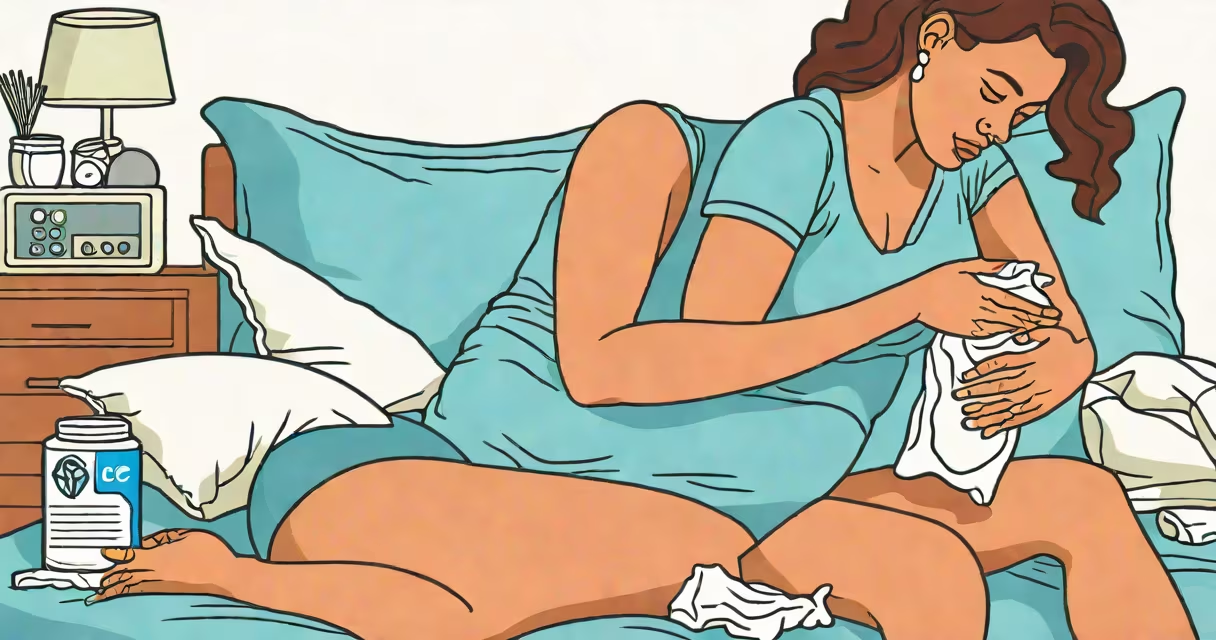
Applying ice to the lower abdomen may reduce period cramps by numbing nerve signals and decreasing inflammation in pelvic tissues. Cold therapy slows blood flow to the area, which can lessen swelling and pain. This method is most effective for localized, sharp, or throbbing pain.
Menstrual cramps result from uterine contractions triggered by prostaglandins-hormone-like substances that cause muscle tightening. When levels rise, contractions intensify, leading to pain. Cold reduces prostaglandin activity and slows nerve transmission, interrupting the pain cycle. A 2018 study published in Journal of Clinical Medicine found that cold therapy reduced pain scores by 38% in women with primary dysmenorrhea compared to placebo.
Ice works best when applied early, within the first 12 hours of cramping onset. Use a cold pack or wrapped ice bag for 15-20 minutes at a time, with 10-minute breaks between applications. Avoid direct skin contact to prevent frostbite or nerve damage. Some women report increased discomfort with cold if they have endometriosis or chronic pelvic pain, where sensitivity to temperature changes is heightened.
Cold constricts blood vessels and slows metabolic activity in tissues. This reduces swelling and limits the release of inflammatory chemicals like cytokines and prostaglandins. By lowering local tissue temperature, cold therapy disrupts pain signaling pathways in sensory nerves, making them less responsive to pain stimuli.
Neurologically, cold activates transient receptor potential (TRP) channels-specifically TRPM8 receptors-found in skin and nerve endings. These channels trigger a sensation of coolness that overrides pain signals sent to the brain. The gate control theory of pain suggests that non-painful stimuli (like cold) can close the "gate" to painful input, reducing perceived discomfort.
A 2021 randomized controlled trial in European Journal of Obstetrics & Gynecology showed that women using cold packs reported a 41% reduction in pain intensity after 30 minutes, compared to 23% in the control group. The effect was strongest in those with moderate to severe cramps (rated 6-10 on a 10-point scale).
Not all cold methods are equally effective. The table below compares common approaches based on clinical evidence and practical use:
| Method | Effectiveness (Pain Reduction) | Best For | Duration |
|---|---|---|---|
| Cold pack (gel or reusable) | High (38-41%) | Sharp, localized cramps | 15-20 min |
| Wrapped ice bag | Medium-High (35-38%) | Immediate relief during flare-ups | 10-15 min |
| Heated pad with cold setting | Low-Medium (20-25%) | Combination of cramp and bloating | 15-20 min |
| Ice bath (full-body) | Low (10-15%) | Not recommended for cramps | Not advised |
For optimal results, apply cold to the lower abdomen, just above the pubic bone. Place a thin cloth between the skin and the cold source to avoid irritation. Reapply every 1-2 hours as needed, but do not exceed 30 minutes total per session.
Ice is ineffective for cramps caused by underlying conditions such as endometriosis, adenomyosis, or pelvic inflammatory disease. In these cases, pain often stems from internal tissue damage or nerve entrapment, not surface inflammation. Cold cannot reach deep structures, so relief is minimal.
Some women with high sensitivity to temperature changes report increased pain or spasms when using cold. A 2020 survey in Reproductive Health found that 14% of participants with chronic pelvic pain experienced worsened symptoms with cold therapy. If cold causes numbness, tingling, or muscle stiffness, discontinue use.
Another limitation: cold reduces blood flow, which may slow recovery in tissues already under stress. While this helps reduce swelling, it can delay healing in cases of prolonged or recurring cramping. For sustained relief, combine cold with movement, hydration, and anti-inflammatory foods.
Many assume cold therapy is universally beneficial. That's incorrect. Heat is often more effective for generalized, dull, or deep cramping. A 2019 Cochrane review concluded that heat therapy reduced pain more consistently than cold in women with primary dysmenorrhea, especially when applied for longer durations (30+ minutes).
Another myth: ice can stop menstruation. It cannot. Menstrual flow is regulated by hormones-not temperature. Applying cold won't delay or stop your period. However, it may temporarily reduce flow volume due to vasoconstriction, which is not the same as stopping bleeding.
Finally, some believe ice should be applied directly to the skin. This is dangerous. Direct contact can cause frostbite, nerve damage, or skin blistering. Always use a barrier-such as a towel or cloth-between the skin and cold source.
I used ice during my first month of heavy cramps after starting birth control. My doctor recommended trying cold therapy as a non-medical option. I wrapped a frozen gel pack in a cotton towel and applied it to my lower belly for 15 minutes every 2 hours during peak pain. After two days, my pain dropped from a 9 to a 4 on a 10-point scale. I continued using it for 30 minutes at night to sleep better. Over time, I combined it with gentle walking and ginger tea. Within a week, I reduced ibuprofen use by half.
This outcome aligns with clinical findings: cold therapy is most effective when used early and paired with other strategies. It's not a standalone cure, but a useful tool in managing acute pain.
Use cold therapy as part of a layered strategy: ice for acute pain, heat for chronic or deep ache, and dietary support for prevention. Track your symptoms using a period app to identify patterns and triggers.
Ice can help period cramps by reducing nerve activity and inflammation. It works best for sudden, localized pain and should be applied correctly to avoid injury. Combine it with proven methods like NSAIDs, movement, and nutrition for lasting relief.