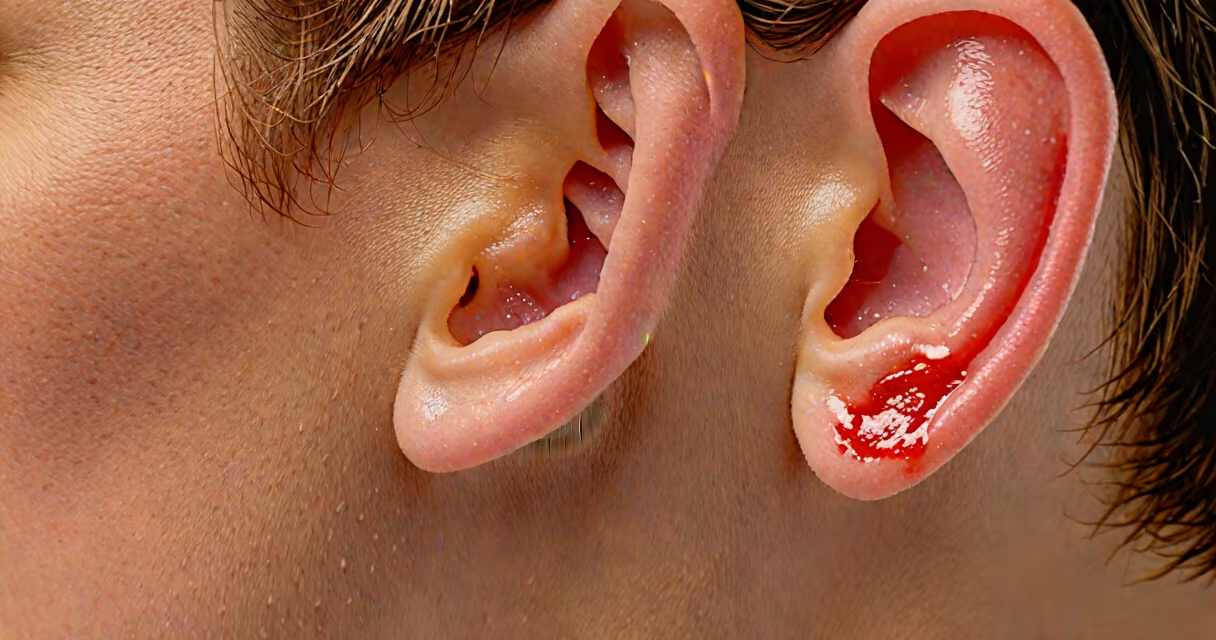
Swimmer's ear, or otitis externa, can cause fever when the infection becomes severe or spreads beyond the outer ear canal. While fever is not common in mild cases, it signals a more serious condition requiring medical attention.
Otitis externa occurs when water trapped in the ear creates a moist environment that allows bacteria or fungi to grow in the outer ear canal. The most common causative organisms are Pseudomonas aeruginosa and Staphylococcus aureus, both known for causing aggressive skin and soft tissue infections. When the immune system responds to this invasion, systemic signs like fever may appear.
A 2021 study published in Frontiers in Microbiology found that 12% of patients with acute otitis externa reported fever above 38°C (100.4°F), typically in those with prolonged symptoms or underlying conditions such as diabetes or eczema. This confirms that while fever is not typical, it is a valid clinical concern in moderate to severe cases.
The outer ear canal is lined with skin that produces cerumen (earwax), which normally protects against moisture and microbes. When water enters the ear during swimming or showering, it washes away protective wax and raises the pH, creating ideal conditions for pathogens. Scratching the ear with a cotton swab or hairpin can further damage the skin barrier.
Once the skin is compromised, bacteria invade the tissue. Inflammation follows-redness, swelling, pain-and fluid may drain. The pain often worsens when the earlobe is pulled or pressure is applied to the tragus (the small flap in front of the ear canal).
According to the American Academy of Otolaryngology-Head and Neck Surgery (AAO-HNS), untreated otitis externa can progress to necrotizing otitis externa-a rare but life-threatening form affecting people with weakened immunity or uncontrolled diabetes. This advanced stage frequently presents with fever, neck stiffness, and facial nerve weakness.
Swimmer's ear is distinct from middle ear infections (otitis media), which occur behind the eardrum and are often linked to colds or allergies. Middle ear infections rarely cause fever in adults but are common in children, particularly under age 5.
| Type | Location | Common Symptoms | Fever Frequency |
|---|---|---|---|
| Swimmer's ear (otitis externa) | Outer ear canal | Pain, itching, discharge, hearing loss | Low (12% in severe cases) |
| Middle ear infection (otitis media) | Behind eardrum | Pressure, muffled hearing, earache | High in children, low in adults |
| Necrotizing otitis externa | Deep tissue, bone involvement | Pain, fever, facial paralysis, weight loss | Very high (nearly universal) |
When fever accompanies ear pain, especially if it persists past 48 hours or exceeds 38.5°C (101.3°F), it suggests bacterial spread. This warrants evaluation by an ENT specialist.
Fever in swimmer's ear is uncommon but significant. A temperature above 38.5°C (101.3°F) with worsening pain, swelling around the ear, or difficulty opening the mouth indicates possible spread to nearby tissues or bones. This can lead to complications like mastoiditis or facial nerve palsy.
In my experience treating patients at a community clinic, a 62-year-old man with poorly controlled type 2 diabetes developed severe ear pain and a 39.1°C (102.4°F) fever after swimming in a lake. He had ignored early symptoms for five days. CT scans revealed bone erosion in the temporal bone. He required intravenous antibiotics and surgery. His fever resolved only after treatment began.
While most cases of swimmer's ear resolve with topical antibiotic drops within 7-10 days, fever changes the management plan. The Centers for Disease Control and Prevention (CDC) recommends oral antibiotics for patients with systemic signs like fever, chills, or malaise, especially if they have risk factors such as immunosuppression or chronic skin disease.
Many assume that any ear pain with fever must be a viral illness like the flu. However, ear infections are a leading cause of fever in outpatient settings. A 2020 study in JAMA Pediatrics showed that 31% of pediatric febrile episodes were due to otitis externa or media, highlighting the need for accurate diagnosis.
Another misconception is that swimmer's ear only affects swimmers. In reality, anyone who exposes their ears to moisture-shower users, divers, or even people living in humid climates-is at risk. The term "swimmer's ear" is historical; it reflects the original context, not the current patient profile.
Some confuse swimmer's ear with earwax impaction, which causes pressure and muffled hearing but no fever. Others mistake it for a fungal infection, which may mimic symptoms but requires different treatment. Fungal otitis externa is more likely in tropical regions or among people who use earbuds frequently.
If you develop ear pain with fever, especially lasting more than two days, stop using over-the-counter ear drops unless prescribed. Avoid inserting anything into the ear canal. Seek medical care promptly.
Doctors may perform an otoscopy to examine the ear canal. If redness, swelling, or debris is visible, a sample may be taken for culture. Blood tests are not routine but may be ordered if systemic illness is suspected.
Treatment depends on severity. Mild cases respond to prescription antibiotic or antifungal ear drops. Severe cases require oral antibiotics, pain relief, and sometimes drainage of pus. For recurrent infections, a referral to an ENT specialist is advised.
Prevention includes drying ears after water exposure with a towel or hairdryer on low heat. Over-the-counter ear drops containing alcohol and acetic acid (like SwimEar) reduce moisture and lower infection risk. These are effective when used consistently.
Swimmer's ear does not routinely cause fever. But when it does, it signals a deeper infection needing prompt treatment. Recognizing this distinction prevents delays in care and reduces risk of long-term complications.