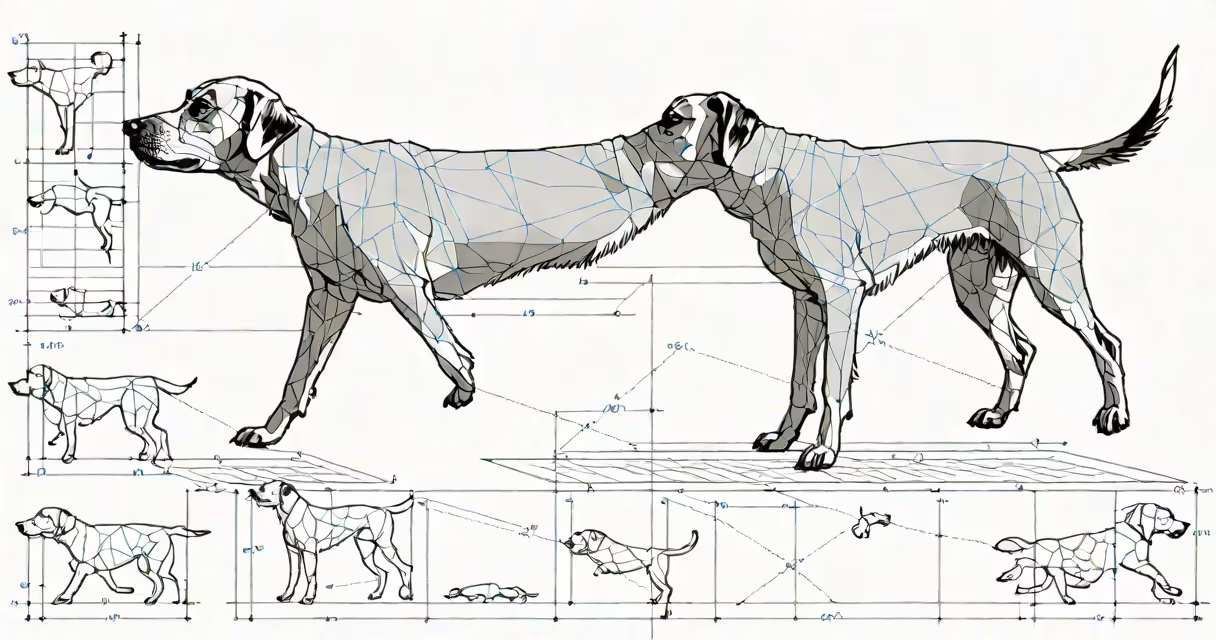
Dog shaking and losing balance describes sudden or persistent instability during movement, often accompanied by tremors, head tilting, or falling. This condition signals potential neurological dysfunction, inner ear problems, or systemic illness requiring prompt veterinary evaluation.
When a dog shakes uncontrollably while standing or walking, it's not normal behavior. The animal may stumble, circle repeatedly, or collapse. These signs indicate disrupted communication between the brain, spinal cord, and muscles. The nervous system fails to coordinate posture and motion, leading to loss of balance.
Common triggers include vestibular disease, especially in older dogs, hypoglycemia in small breeds, infections like distemper, or trauma. Some cases stem from degenerative conditions such as degenerative myelopathy. Early diagnosis improves outcomes.
The body maintains balance through input from three systems: vision, proprioception (sense of limb position), and the vestibular system in the inner ear. When one or more fail, the brain receives conflicting signals. The result is disorientation and uncontrolled movement.
For example, a dog with inner ear infection may tilt its head, walk in circles, and fall to one side. The vestibular system detects motion and spatial orientation. Damage here mimics being drunk. The brain cannot correct for the false sense of movement.
Neurological pathways from the cerebellum control fine motor coordination. If damaged-by tumor, inflammation, or genetic defect-the dog loses precision in limb placement. A single step may misfire, causing a stumble or complete collapse.
Conditions causing dog shaking and losing balance fall into several categories based on origin:
| Type | Key Features | Common Triggers |
|---|---|---|
| Vestibular disease | Head tilt, circling, nystagmus (eye flickering) | Idiopathic (unknown cause), ear infections, tumors |
| Neurodegenerative disorders | Progressive weakness, difficulty rising | Degenerative myelopathy, cerebellar ataxia |
| Metabolic issues | Shaking during fasting, confusion | Hypoglycemia, liver shunt, kidney failure |
| Infections or toxins | Seizures, fever, mental dullness | Canine distemper, tick-borne diseases, antifreeze exposure |
Idiopathic vestibular disease affects older dogs suddenly. Symptoms peak within hours and improve over days. It's not life-threatening but mimics stroke. Diagnosis requires ruling out other causes via MRI or spinal tap.
Small breeds like Yorkshire Terriers are prone to hypoglycemia. Low blood sugar causes trembling, seizures, and collapse. A quick glucose test confirms it. Treatment includes immediate feeding or IV dextrose.
One non-obvious distinction: not all shaking is neurological. Muscle tremors from anxiety or cold don't involve balance loss. But when a dog falls sideways while trying to stand, it's likely central nervous system involvement.
Dog shaking and losing balance occurs most frequently in middle-aged to senior dogs. About 1 in 10 older dogs show vestibular signs annually, according to the American College of Veterinary Internal Medicine (ACVIM).
It's common in dogs with chronic conditions like Cushing's disease or kidney insufficiency. These alter electrolyte balance and brain function. A 2022 study in Journal of Veterinary Internal Medicine found 34% of dogs with acute ataxia had underlying metabolic abnormalities.
Environmental factors matter too. Exposure to toxins like lead or certain pesticides can disrupt nerve signaling. A dog that recently ate a houseplant or wandered near a construction site may develop symptoms within hours.
I once observed a 12-year-old Dachshund collapse after eating a discarded piece of chocolate. The owner reported shaking, drooling, and inability to stand. Bloodwork revealed elevated liver enzymes and low blood sugar. After treatment with activated charcoal and IV fluids, the dog regained balance within 24 hours.
Many owners mistake dog shaking and losing balance for fainting or seizures. Fainting involves brief loss of consciousness. Seizures involve muscle rigidity, jaw chomping, or paddling. A dog with vestibular disease remains alert and responsive during episodes.
Another myth: "It's just old age." While aging increases risk, sudden onset in a previously healthy dog demands investigation. Delaying care can worsen outcomes. For example, a brain tumor may grow undetected until it causes irreversible damage.
Some assume home remedies work. Giving ginger or CBD oil won't reverse neurological deficits. These may reduce nausea but do not treat root causes. Always consult a vet before administering supplements.
Any episode of dog shaking and losing balance lasting more than 10 minutes warrants a vet visit. Immediate attention is needed if the dog shows additional signs: vomiting, dilated pupils, paralysis, or altered mental state.
Diagnostic steps include blood panels, urinalysis, and imaging. MRI or CT scans detect brain lesions. Spinal fluid analysis identifies infections or inflammation. Early intervention prevents permanent disability.
Recovery varies. Vestibular disease often resolves in 1-3 weeks. Degenerative conditions progress slowly. With treatment, many dogs regain mobility and quality of life.
Do not wait. Dog shaking and losing balance is not a minor issue. It's a red flag for serious internal disruption. Early action leads to better outcomes.