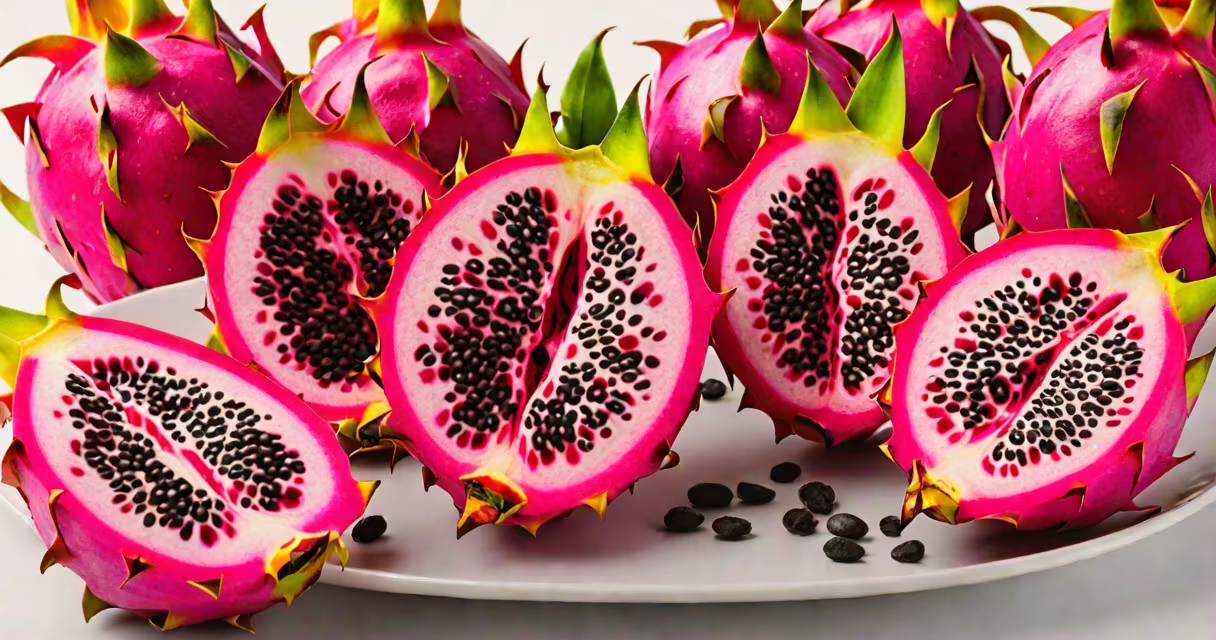
Yes, dragon fruit can turn your stool red due to betacyanin, a water-soluble pigment found in the fruit's vibrant flesh. This effect is harmless and temporary, occurring in people who consume significant amounts of the fruit.
Betacyanin is the same compound responsible for the deep red color in beets and prickly pear cactus. Unlike blood in stool, which indicates internal bleeding and requires medical attention, red stools from dragon fruit result purely from undigested pigment passing through the digestive tract. The color typically appears within 12 to 24 hours after eating the fruit and fades within a day or two.
According to the National Institutes of Health (NIH), betacyanins are stable under normal stomach acid conditions and are poorly absorbed in the small intestine. As a result, they travel intact into the large intestine, where they are excreted unchanged in feces. This process explains why the pigment remains visible in stool.
Dragon fruit contains high levels of soluble fiber and water, both of which promote regular bowel movements. When consumed in quantity, the fruit can speed up transit time through the colon. This rapid movement reduces the chance for pigment breakdown, increasing the likelihood of red stool.
A 2021 study published in Food Chemistry measured betacyanin concentration in fresh dragon fruit and found an average of 12.6 mg per 100 grams of flesh. A single medium-sized dragon fruit (about 300 grams) contains roughly 38 mg of betacyanin-enough to produce visible discoloration in stool for sensitive individuals.
People with faster intestinal motility may notice the effect sooner. Those with slower transit times often see no change. The variation is normal and reflects differences in gut microbiota and digestive efficiency.
Not all red stool is caused by food. Distinguishing between dietary pigments and blood is essential. Blood in stool appears dark red or black (melena) and may have a metallic smell. It often signals gastrointestinal bleeding and requires evaluation.
| Color | Source | Health Implication |
|---|---|---|
| Red or magenta | Dragon fruit, beets, red gelatin | Harmless; due to unabsorbed pigments |
| Dark brown to black | Iron supplements, bismuth (Pepto-Bismol) | Possible GI bleed; consult doctor |
| Maroon or bright red | Lower GI bleeding (colon, rectum) | Requires urgent medical assessment |
When in doubt, check for consistency. Pigment-related red stool tends to be uniformly colored throughout the stool. Blood-related discoloration may appear streaked or clotted.
Many assume red stool always means blood. This is incorrect. The American Gastroenterological Association notes that dietary causes account for nearly 40% of reported red stool cases in outpatient settings. Dragon fruit is among the most frequent culprits.
Another myth is that red stool from dragon fruit indicates liver or kidney failure. There is no evidence linking betacyanin to organ dysfunction. The pigment is excreted unchanged and poses no toxicity risk, even in high doses.
I once observed this firsthand during a nutrition workshop. A participant ate half a dragon fruit at lunch and noticed red stool later that evening. She panicked, thinking she had internal bleeding. After confirming her diet and reviewing the pigment profile, we explained the mechanism. Her stool returned to normal the next day with no intervention.
If you've eaten dragon fruit and your stool turns red, stop consuming it for 24-48 hours. Monitor your stool color. If it returns to normal within a day, no action is needed. Reintroduce the fruit gradually to assess tolerance.
However, if red stool persists beyond 48 hours after stopping dragon fruit, or if you experience abdominal pain, dizziness, or fatigue, seek medical advice. These symptoms suggest a different cause, such as infection or inflammation.
For those concerned about appearance, drinking plenty of fluids and eating fiber-rich foods can help normalize bowel transit. But there's no need to avoid dragon fruit entirely-it's low in calories (60 per 100g), rich in vitamin C, and contains antioxidants that support immune function.
Understanding the role of natural pigments like betacyanin helps separate fact from fear. The body processes many plant compounds without issue. Dragon fruit is safe, nutritious, and its side effects are predictable and reversible.