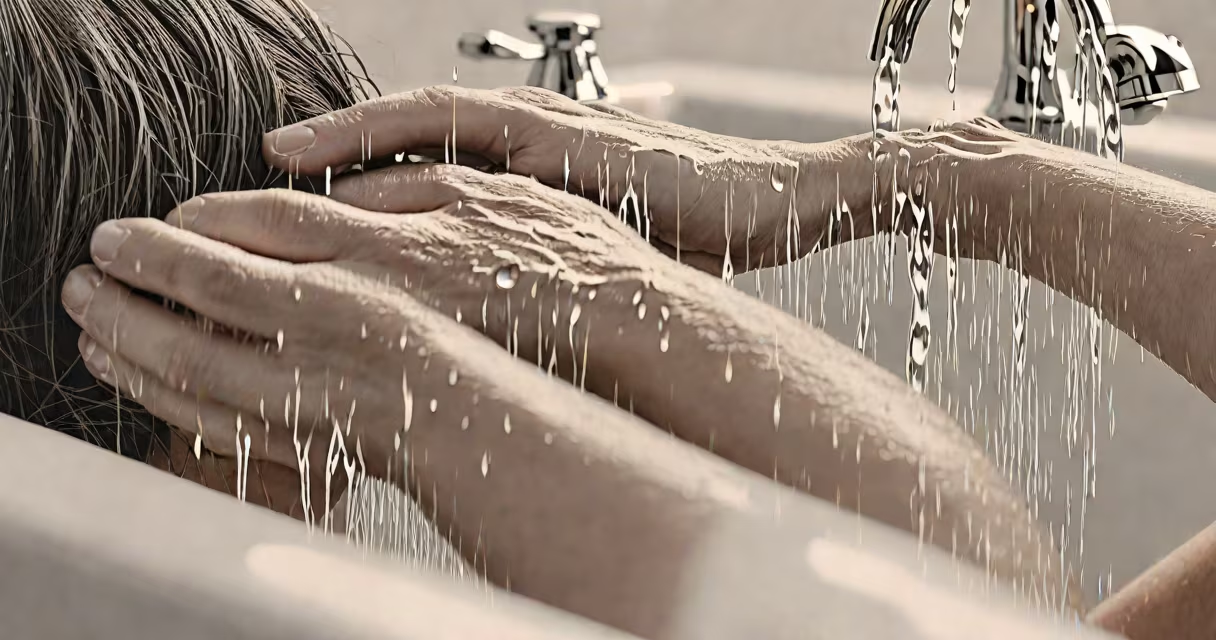
Washing your hair does not cause hair loss. The idea that shampooing leads to baldness is a persistent myth. Healthy hair sheds about 50 to 100 strands daily, and washing simply removes those that were already in the shedding phase. This process is normal and not linked to permanent hair loss.
Each hair grows from a follicle beneath the skin. These follicles cycle through growth (anagen), rest (telogen), and shedding (catagen). On average, a person has 100,000 scalp hairs, and daily shedding is part of natural renewal. When you wash your hair, you're not pulling out new hairs-you're dislodging ones that were already preparing to fall out.
The misconception likely stems from seeing many hairs in the drain after washing. That's not caused by shampooing-it's because washing brings loose hairs to the surface. A 2018 study published in the Journal of Clinical and Aesthetic Dermatology confirmed that routine washing doesn't affect hair density or follicle count in people with normal scalp health.
Hair loss begins when follicles stop producing new strands. This happens due to genetics, hormonal shifts, stress, or medical conditions-not from cleaning your scalp. Shampooing cleans sebum (natural oil), dead skin cells, and environmental debris. It does not disrupt the hair growth cycle.
Shampoos contain surfactants that lift dirt and oil. These ingredients are designed to be safe for the scalp. Even sulfate-free shampoos, often marketed as gentler, do not alter hair follicle function. The American Academy of Dermatology states that no evidence supports the claim that regular washing damages hair roots.
A common error is confusing shedding with balding. Shedding occurs when hairs reach the end of their life cycle. Balding involves shrinking follicles that produce finer, shorter hairs over time-this is driven by dihydrotestosterone (DHT) in genetically predisposed individuals.
True hair loss results from biological processes, not hygiene habits. Androgenetic alopecia (male or female pattern baldness) affects 50% of men and 30% of women by age 50, according to the National Institutes of Health. It's inherited and linked to hormone sensitivity in follicles.
Other causes include:
Even medications like blood pressure drugs or antidepressants may contribute. The FDA lists hair thinning as a potential side effect of certain prescriptions. But none of these stem from washing hair.
People often mistake increased shedding during washing for actual hair loss. But shedding is not the same as follicle failure. You can lose 100 hairs in one shower and still have 99,900 remaining. That's not a problem-it's biology.
Some believe frequent washing dries out the scalp and weakens roots. But the scalp produces sebum continuously. Over-washing may irritate sensitive skin, but it doesn't cause follicle death. A 2020 review in the International Journal of Trichology found no link between washing frequency and hair loss in healthy adults.
Another confusion arises from anecdotal stories. Someone notices more hair in the drain after switching shampoos-and assumes the product is to blame. But if they were already shedding 100 hairs a day, the change in wash routine didn't increase loss-it just made it visible.
There are rare cases where washing coincides with noticeable shedding-but not because of the act itself. For example, someone recovering from surgery may start washing their hair again after weeks of not doing so. The sudden removal of accumulated shed hairs can feel alarming.
Or consider a person with chronic stress who begins washing their hair more regularly as part of a self-care routine. The timing of increased shedding may appear linked to washing, but the root cause is physiological-not mechanical.
One real-world example: A 2019 case report in the Journal of Cosmetic Dermatology described a woman who lost significant hair after starting a new shampoo. She attributed it to the product. But testing showed she had telogen effluvium triggered by recent childbirth. The shampoo was unrelated. Her hair regrew after six months.
Understanding the difference between shedding and true hair loss helps separate myth from reality. Here's a breakdown of common types:
| Type | Trigger | Reversible? | Visible in Shower? |
|---|---|---|---|
| Normal shedding | Natural cycle | Yes, always | Yes, 50-100 strands |
| Telogen effluvium | Stress, illness, pregnancy | Yes, within 6 months | Yes, up to 30% of follicles |
| Androgenetic alopecia | Genetics, DHT sensitivity | No, progressive | No, gradual thinning |
| Alopecia areata | Autoimmune attack | Partial recovery possible | Variable, patchy |
Notice that only normal shedding and telogen effluvium involve visible hair in the drain. True pattern baldness and autoimmune loss don't manifest this way.
If you notice unusual hair loss-such as clumps falling out, widening part lines, or thinning at the crown-consult a dermatologist. They can run tests like a pull test or scalp biopsy to determine the cause.
I once observed a patient who believed her shampoo was causing baldness. She'd been washing her hair twice daily and noticed more hair in the drain. After a clinical evaluation, we found she had telogen effluvium following a viral infection. Reducing wash frequency helped her feel better, but the real fix was addressing the underlying illness.
For most people, washing hair remains safe and beneficial. It prevents clogged follicles, reduces scalp infections, and improves confidence. The American Academy of Dermatology recommends washing every 2-3 days for oily scalps and every 4-7 days for dry or curly hair.
Washing hair does not cause hair loss. The act of cleaning your scalp removes loose hairs that were already shedding. True hair loss stems from genetics, hormones, illness, or medication-not from shampooing. If you're concerned about thinning, seek professional diagnosis rather than blaming your routine.