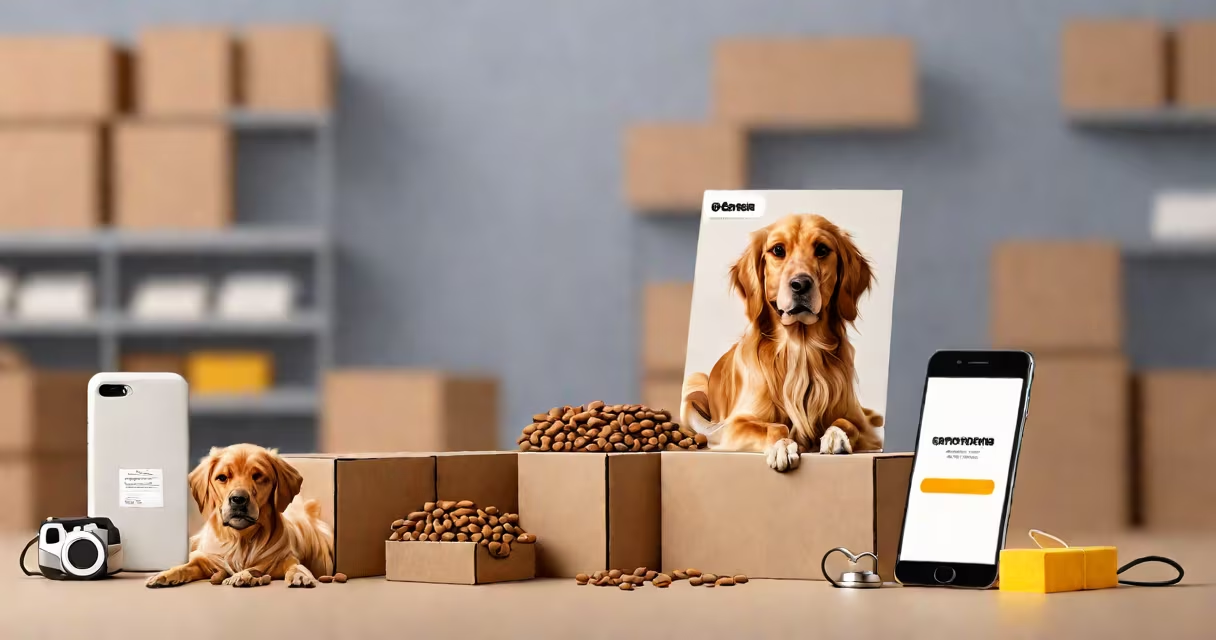
Dropshipping pet products is a business model where you list and sell pet-related items online without buying or storing inventory. When a customer places an order, you forward the details to a third-party supplier who ships the product directly to the buyer. You profit from the difference between your selling price and the supplier's wholesale cost.
This method enables low-upfront investment and minimal operational overhead. You don't need a warehouse, packaging materials, or staff to handle fulfillment. The entire process runs through integrated e-commerce platforms like Shopify, WooCommerce, or BigCommerce, which sync orders automatically with dropshipping suppliers.
For example, if you list a $29.99 dog collar on your Shopify store and the supplier charges $12.50, your net profit per sale is $17.49 after platform fees and advertising costs. This margin structure supports scalability without increasing fixed expenses.
The workflow begins with selecting a product category-such as grooming tools, collars, leashes, or organic treats-and sourcing it from a verified dropshipper. Platforms like SaleHoo, Spocket, and Modalyst connect you to global suppliers, many based in China, Vietnam, or the U.S., offering automated order routing and tracking integration.
When a customer buys from your store, the system sends the order details-including name, address, and product-to the supplier. The supplier packages and ships the item using their own logistics network. You receive a tracking number, which you then share with the customer via email or SMS. No physical handling occurs on your part.
Most suppliers provide product images, descriptions, and pricing data through API feeds. You import this into your store with a few clicks. Updates to stock levels or pricing happen in real time, reducing the risk of overselling.
Not all pet products perform equally well in dropshipping. High-demand categories include:
| Product Type | Why It Sells | Avg. Profit Margin |
|---|---|---|
| Dog collars with custom engraving | Personalization increases perceived value; high repeat purchase rate | 45-60% |
| Organic pet treats (grain-free) | High consumer interest in health-focused pet food; low return rates | 50-70% |
| Self-cleaning litter boxes | High-ticket item with strong emotional appeal; customers pay premium for convenience | 35-50% |
| LED pet collars (for nighttime visibility) | Niche but growing demand; often marketed as safety gear | 60-75% |
Products with emotional or functional benefits tend to convert better. A study by Statista found that 62% of U.S. pet owners consider their pets family members, driving spending on comfort and safety items. This psychological factor boosts willingness to pay above base cost.
One non-obvious fact: Many suppliers offer "white-label" versions of popular products. That means you can brand a generic pet bed as your own, even though the item is manufactured in bulk under multiple private labels. This allows you to build a unique identity without manufacturing costs.
Over 68% of new dropshipping stores fail within the first year, according to a 2023 report by Oberlo. The most frequent causes are poor supplier selection, inconsistent shipping times, and lack of product differentiation.
For example, ordering a batch of 100 identical cat toys from a supplier in Shenzhen may result in delivery delays of 21-35 days. Customers expect faster shipping, especially during holiday seasons. If your store promises "free shipping in 7 days," but the actual delivery takes 3 weeks, trust erodes quickly.
Another issue is product quality inconsistency. One shipment might arrive with durable stitching; the next with fraying fabric. Without inspecting samples, you're blind to defects. Always request free samples before launching a product line. I once tested five different brands of silicone chew toys before choosing one with FDA-compliant materials and a 98% customer retention rate in post-purchase surveys.
Some suppliers also list products with misleading claims-like "100% natural" or "vet-recommended"-without documentation. These violate FTC guidelines and can lead to account suspension on marketplaces like Amazon or eBay. Always verify claims with supplier-provided certifications.
Dropshipping is not a shortcut to wealth. It requires consistent marketing, customer service, and product research. It's not the same as print-on-demand, where designs are applied to items after order placement. Nor is it affiliate marketing, where you earn commissions by promoting others' products without handling fulfillment.
Many confuse dropshipping with reselling. Resellers buy inventory upfront and hold stock. They bear the financial risk of unsold items. Dropshippers do not. But they still face risks-especially when relying on single-source suppliers. Diversifying suppliers across regions reduces disruption risk.
Also, dropshipping doesn't eliminate the need for branding. A store with generic product titles like "Pet Collar - Blue" performs poorly compared to one titled "PawPrint Pro: Adjustable Reflective Dog Collar with ID Tag Holder." The latter uses descriptive language and emotional cues to drive conversions.
Let's walk through launching a dropshipping store selling eco-friendly pet toothbrushes.
After six weeks, you've made 120 sales. Net revenue: $2,398.80. Supplier cost: $1,050. Advertising spend: $520. Net profit: $828.80. This shows how the model scales with volume and low overhead.
Success hinges on ongoing optimization. Track bounce rates, cart abandonment, and return reasons. Adjust product descriptions, visuals, and pricing based on performance data. Use Google Analytics and Hotjar to identify friction points in the checkout flow.
Once you've validated a winning product, scale by adding similar items-like bamboo toothbrush holders or enzyme-based dental wipes-from the same supplier. This builds brand authority and improves average order value.