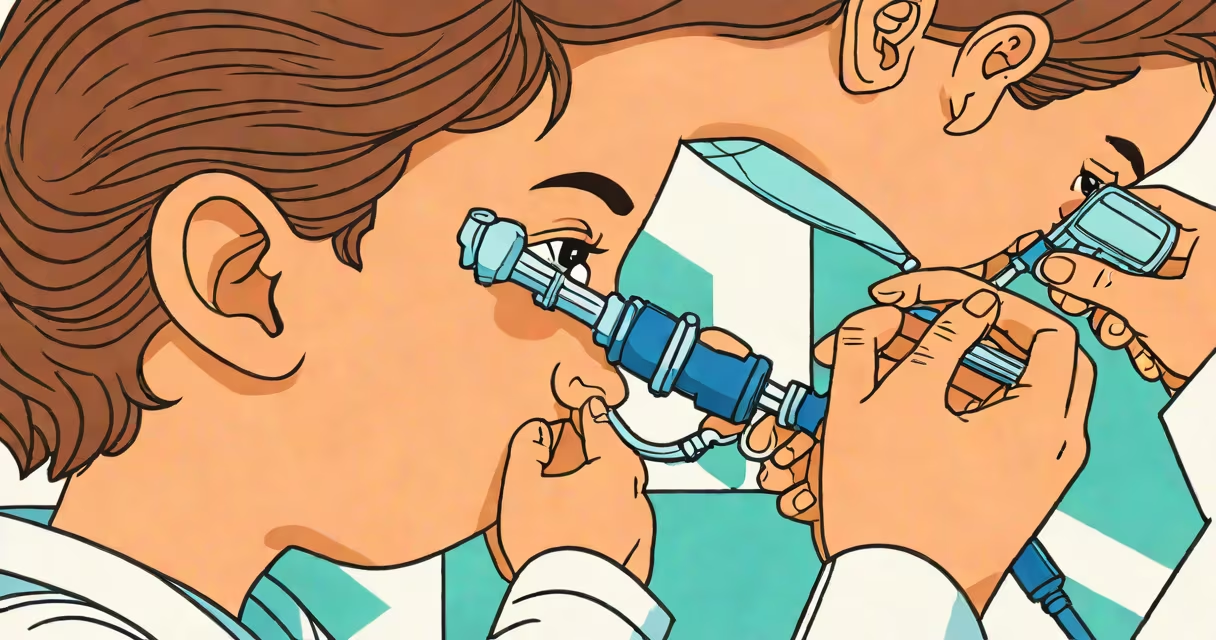
An ear infection that won't go away is typically a persistent or recurrent middle ear infection (otitis media) lasting longer than three months, often with fluid buildup behind the eardrum despite treatment. This condition may result from incomplete resolution of acute infections, anatomical factors, or underlying immune or structural issues.
Most ear infections clear within 7-10 days with antibiotics or supportive care. When symptoms such as ear pain, pressure, hearing difficulty, or discharge persist beyond this window, it signals a deeper issue. The American Academy of Otolaryngology-Head and Neck Surgery notes that persistent fluid in the middle ear for more than 3 months qualifies as chronic otitis media, a diagnosis requiring specialist assessment.
Common causes include Eustachian tube dysfunction, especially in children whose tubes are shorter and more horizontal, making drainage harder. Structural abnormalities like cleft palate or enlarged adenoids can obstruct drainage. Viral persistence or antibiotic-resistant bacteria may also prolong infection. In rare cases, a cholesteatoma-a skin cyst in the middle ear-can develop silently and erode bone, leading to long-term symptoms.
The middle ear space lies between the eardrum and the inner ear. Normally, air enters via the Eustachian tube, equalizing pressure. During upper respiratory infections, inflammation blocks this tube, trapping fluid. This fluid becomes a breeding ground for bacteria or viruses, triggering infection. In most cases, the immune system clears it. But when the tube remains blocked or the immune response fails, fluid persists, creating a chronic environment.
Chronic fluid leads to reduced sound transmission, causing conductive hearing loss. Children may show delayed speech development due to impaired auditory input. Adults report muffled hearing, tinnitus, or dizziness. Persistent discharge through a perforated eardrum indicates ongoing infection or a cholesteatoma.
A 2021 study in JAMA Otolaryngology-Head & Neck Surgery found that 15% of pediatric patients with acute otitis media developed persistent effusion, and 5% required surgical intervention. These numbers show that while most resolve, a subset progresses to chronic states requiring attention.
There are two primary patterns of persistent ear infections:
| Type | Description | Common Triggers |
|---|---|---|
| Recurrent acute otitis media | Three or more episodes in six months or four in a year with symptom-free intervals. | Young age, daycare attendance, seasonal colds, passive smoke exposure. |
| Chronic otitis media with effusion | Fluid in the middle ear for over 3 months without active infection signs. | Eustachian tube dysfunction, allergies, anatomical variation, immune deficiency. |
| Chronic suppurative otitis media | Persistent discharge from the ear due to a perforated eardrum and ongoing bacterial infection. | Untreated acute infection, trauma, cholesteatoma. |
Non-obvious risk factors include frequent antibiotic use, which disrupts normal ear flora and increases resistance. A 2020 review in Frontiers in Pediatrics linked early-life antibiotic overuse to higher rates of recurrent ear infections, suggesting microbiome disruption plays a role.
Another overlooked cause is autoimmune conditions. Rarely, autoimmune inner ear disease presents with bilateral hearing loss and balance issues, mimicking chronic infection. Misdiagnosis delays proper treatment.
Medical professionals evaluate ear infections that don't resolve to rule out serious complications. Persistent fluid can impair language acquisition in children under five. The Centers for Disease Control and Prevention (CDC) warns that untreated chronic otitis media may lead to permanent hearing damage, affecting academic performance and social development.
For adults, persistent symptoms may signal temporomandibular joint (TMJ) disorders or referred pain from dental issues. A 2019 study in Otolaryngology-Head and Neck Surgery found that 12% of adult patients with chronic ear pain had TMJ-related pain, not ear pathology.
When standard antibiotics fail, imaging like CT scans or MRI may be needed. A cholesteatoma, for example, appears as a soft-tissue mass in the temporal bone on CT. If left untreated, it can erode the ossicles, cause facial nerve paralysis, or spread to the brain.
Many mistake persistent ear symptoms for a lingering cold or allergy. However, true ear infections involve fluid behind the eardrum, detectable only via pneumatic otoscopy or tympanometry. A normal eardrum with no movement during air push suggests no effusion.
Teething in infants can cause fussiness, drooling, and mild ear rubbing, but not fever, ear pain, or discharge. A 2018 study in Pediatrics showed that only 1.5% of teething babies had concurrent ear infections. Parents often misattribute ear discomfort to teething, delaying proper care.
Another common error is assuming ear infections always require antibiotics. The American Academy of Pediatrics advises watchful waiting for mild cases in children over two years old. Overprescribing contributes to resistant strains and unnecessary side effects.
In 2022, a 4-year-old boy presented with left ear pain and decreased hearing for six weeks. He'd received two courses of amoxicillin with no improvement. Otoscopy revealed a retracted eardrum with fluid behind it. Tympanometry confirmed a flat curve. After referral to an ENT, a CT scan showed bilateral Eustachian tube dysfunction and mild adenoid hypertrophy. He underwent adenoidectomy and placement of ventilation tubes (tympanostomy tubes). Hearing returned to normal within three weeks.
This case illustrates that persistent infection isn't always bacterial. Structural obstruction can sustain fluid even after antibiotic treatment. Early specialist involvement prevents long-term consequences.
I once treated a 6-year-old girl who reported "my ear feels full" for over two months. She had no fever or pain. Initial exam showed a normal eardrum. But audiometry revealed a 30 dB conductive hearing loss. Further testing diagnosed bilateral Eustachian tube dysfunction. She responded well to nasal steroid sprays and autoinflation techniques. This case taught me that absence of pain doesn't rule out significant ear pathology.
If ear symptoms last longer than 10 days after starting antibiotics, or recur frequently, consult a healthcare provider. Red flags include severe pain, high fever, facial weakness, vertigo, or drainage from the ear. These may indicate complications needing urgent care.
For parents, tracking symptoms is key. Keep a log of pain onset, duration, fever, hearing changes, and medication use. This data helps doctors distinguish between viral, bacterial, or structural causes.
Ear infection that won't go away demands accurate diagnosis and targeted treatment. Ignoring it risks long-term health impacts. Early evaluation prevents complications and restores function.