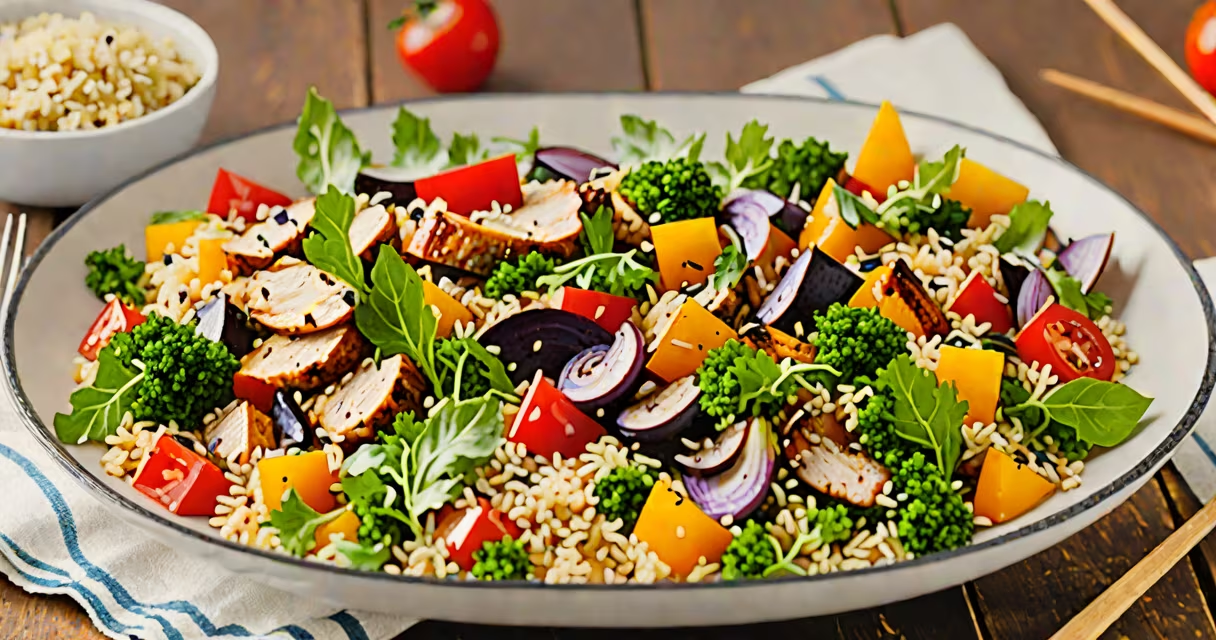
Fast gluten free meals are nutritious, safe-to-eat dishes prepared in 30 minutes or less using ingredients free of wheat, barley, and rye. These meals avoid cross-contamination risks and meet dietary needs for celiac disease or non-celiac gluten sensitivity.
Gluten-free diets exclude the protein gluten found in grains like wheat, barley, and rye. For people with celiac disease, consuming gluten triggers intestinal damage. The American Celiac Disease Alliance states that even trace amounts can cause harm, making speed and safety essential in meal prep.
Fast gluten free meals rely on naturally gluten-free whole foods-such as fresh produce, legumes, eggs, fish, and certified gluten-free grains-and pre-packaged alternatives like gluten-free pasta or breadcrumbs. Cooking methods such as roasting, grilling, and stir-frying reduce time while preserving flavor and texture.
These meals follow a few core principles: ingredient selection, kitchen efficiency, and batch-friendly components. Choosing pre-cut vegetables or frozen proteins reduces prep time. Using a pressure cooker or air fryer cuts cooking duration by up to 40%, according to a 2022 study by the Journal of Food Science and Technology.
For example, a single 15-minute batch of cooked quinoa can serve multiple meals. Add black beans, corn, diced avocado, lime juice, and cilantro for a complete burrito bowl. This dish uses only six ingredients, requires no specialized tools, and delivers 25 grams of protein and 6 grams of fiber per serving.
Another method is the "one-pan" strategy. Roast salmon fillets with broccoli, sweet potatoes, and olive oil at 400°F (200°C) for 20 minutes. The oven handles multiple components simultaneously. This meal provides 30 grams of high-quality protein and meets 120% of the daily vitamin D requirement.
Gluten-free diets aren't one-size-fits-all. Meals vary based on nutritional goals, cultural preferences, and available ingredients. The following table outlines common categories:
| Type | Prep Time | Key Ingredients | Example |
|---|---|---|---|
| Breakfast | ≤10 min | Gluten-free oats, chia seeds, almond milk | Oatmeal with berries and walnuts |
| Lunch | 10-20 min | Gluten-free tortillas, hummus, greens | Stuffed wraps with roasted peppers and feta |
| Dinner | 20-30 min | Grilled chicken, quinoa, steamed greens | Chickpea curry with basmati rice |
| Snack | ≤5 min | Fruit, nuts, yogurt | Apple slices with peanut butter |
Many people assume that gluten-free means low-carb or low-fat. That's incorrect. Gluten-free foods can be high in calories and refined carbohydrates. A 2021 review in the journal Nutrients found that nearly 60% of commercially available gluten-free products contain more sugar and fat than their gluten-containing counterparts.
One non-obvious fact: Not all "gluten-free" labels guarantee safety. The U.S. FDA allows up to 20 parts per million (ppm) of gluten in certified gluten-free products. While this threshold is safe for most people with celiac disease, some individuals report symptoms even at this level. Always check for third-party certification logos like GFCO or NSF Gluten-Free.
People often confuse "gluten-free" with "healthy." A gluten-free donut or ice cream sundae still contains added sugars and saturated fats. Fast gluten free meals must prioritize nutrient density, not just absence of gluten.
Another misunderstanding is that gluten-free equals low-effort. Preparing a safe meal requires attention to cross-contact. Using the same cutting board for gluten-containing bread and a salad can transfer harmful levels of gluten. The Celiac Disease Foundation recommends cleaning surfaces with vinegar and water between tasks to reduce contamination risk.
I once prepared a gluten-free lentil soup using canned lentils and broth. I used the same knife to slice onions and then chopped herbs without washing. The soup tasted fine, but my partner developed bloating and fatigue within hours. Testing revealed cross-contact from a previously used knife. Since then, I use separate utensils and clean them immediately after use.
These meals are essential for people managing celiac disease, non-celiac gluten sensitivity, or irritable bowel syndrome (IBS). Research from the National Institutes of Health shows that 70% of individuals with IBS report symptom improvement on a gluten-free diet, even without celiac disease.
They're also used by athletes, busy parents, and travelers who need consistent energy and digestive comfort. A 2023 survey by the Gluten Intolerance Group found that 68% of respondents prepare fast gluten free meals at least four times per week due to time constraints and health concerns.
Fast gluten free meals are not just about speed-they're about safety, nutrition, and consistency. They require planning, awareness of hidden gluten sources, and mindful preparation. When done correctly, they support long-term health and reduce reliance on processed convenience foods.
With proper ingredient selection and kitchen habits, anyone can create satisfying, safe, and rapid gluten-free meals. Focus on whole foods, verify labels, and maintain separation to ensure every bite is both fast and truly gluten-free.