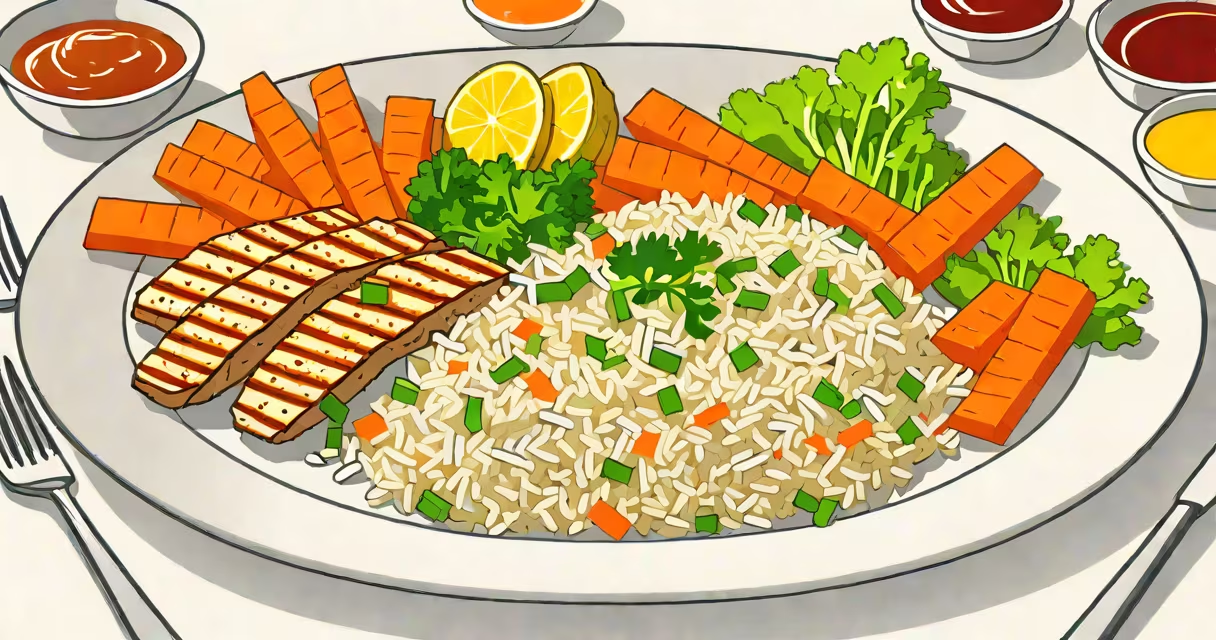
After gallbladder surgery, you begin with clear liquids and gradually move to low-fat, easily digestible foods like boiled rice, mashed potatoes, and grilled chicken. The goal is to avoid overwhelming your digestive system during recovery.
Recovery begins immediately after surgery. Your body no longer stores bile in a gallbladder, so digestion of fats becomes less efficient. This means high-fat meals cause discomfort, bloating, or diarrhea. The first 24 hours focus on hydration and gentle intake. Clear liquids such as water, broth, and weak tea prevent dehydration and prepare your gut for solid food.
By day two, most patients transition to bland, low-fat solids. A typical early meal includes plain toast, boiled eggs, or oatmeal. These foods are easy to process and minimize strain on the liver and small intestine. As tolerance improves, you can add steamed vegetables like carrots or zucchini, which provide fiber without irritation.
Your liver still produces bile, but it flows continuously into the small intestine instead of being stored. Without the gallbladder's ability to concentrate and release bile in bursts, fat digestion slows. This increases sensitivity to fatty foods, especially in the first few weeks.
Doctors recommend a phased approach: start with liquids, then introduce soft foods, and slowly reintroduce variety. The American Society for Gastrointestinal Endoscopy notes that patients who follow a structured diet report fewer complications and faster healing.
For example, a patient recovering from laparoscopic cholecystectomy typically eats clear soup on day one, then moves to scrambled eggs and white toast on day two. By day four, they may have baked salmon with mashed sweet potatoes-low in fat, high in protein and complex carbs.
Not all foods are equal during recovery. Focus on low-fat, low-fiber, and easily digestible options. Avoid fried, greasy, or spicy items until your body adjusts.
| Foods to Include | Foods to Avoid |
|---|---|
| Clear broths | Fried foods (fries, onion rings) |
| Boiled rice | High-fat meats (bacon, sausage) |
| Mashed potatoes (without butter) | Dairy-heavy sauces (cheese sauce, cream) |
| Steamed carrots or zucchini | Spicy seasonings (hot sauce, chili) |
| Plain toast | Alcohol and carbonated drinks |
Some people assume that all "healthy" foods are safe after surgery. That's incorrect. Avocados, nuts, and olive oil are nutritious but high in fat. Even though they're natural, they can trigger diarrhea or cramping. The Mayo Clinic advises limiting fat intake to under 30 grams per day during initial recovery.
A key mistake is rushing into normal eating. One patient I observed ate a cheeseburger on day three. He developed severe nausea and required a return visit to his surgeon. His symptoms resolved only after he returned to a bland diet for two days.
Many believe that eating "nothing" is best after surgery. This is false. Fasting delays gut motility and increases risk of ileus-a condition where the intestines stop moving. Early feeding supports recovery, according to research published in the Journal of the American College of Surgeons.
Another misconception is that you'll never tolerate fat again. Most people adapt over time. After six to eight weeks, many resume eating moderate amounts of healthy fats like olive oil or avocado. But this requires gradual reintroduction.
Some confuse post-surgery symptoms with food intolerance. Bloating after eating is common, but persistent pain, fever, or jaundice require medical evaluation. These signs may indicate infection or bile leakage, not dietary error.
Here's a realistic progression based on clinical guidelines:
Consider Maria, a 52-year-old woman who had laparoscopic gallbladder removal. She followed this plan. On day one, she drank broth and water. Day two, she ate two spoonfuls of mashed potatoes and a slice of toast. By day five, she added grilled cod and steamed carrots. She reported no pain or diarrhea and resumed light work by week three.
She later learned that her favorite hummus was too high in fat. She switched to a low-fat version and added it sparingly. Her body tolerated it after four weeks of careful reintroduction.
If you experience persistent nausea, vomiting, fever above 100.4°F, or yellowing of the skin (jaundice), contact your provider. These signs suggest complications beyond normal recovery.
Diarrhea lasting more than 48 hours after starting solids may indicate bile acid malabsorption. This condition affects about 10% of post-gallbladder patients and may require medication. The National Institute of Diabetes and Digestive and Kidney Diseases confirms this is treatable with bile acid binders.
Recovery from gallbladder surgery centers on controlled reintroduction of food. Stick to low-fat, bland meals initially. Progress slowly. Listen to your body. Most people return to normal eating within six weeks, though individual responses vary.