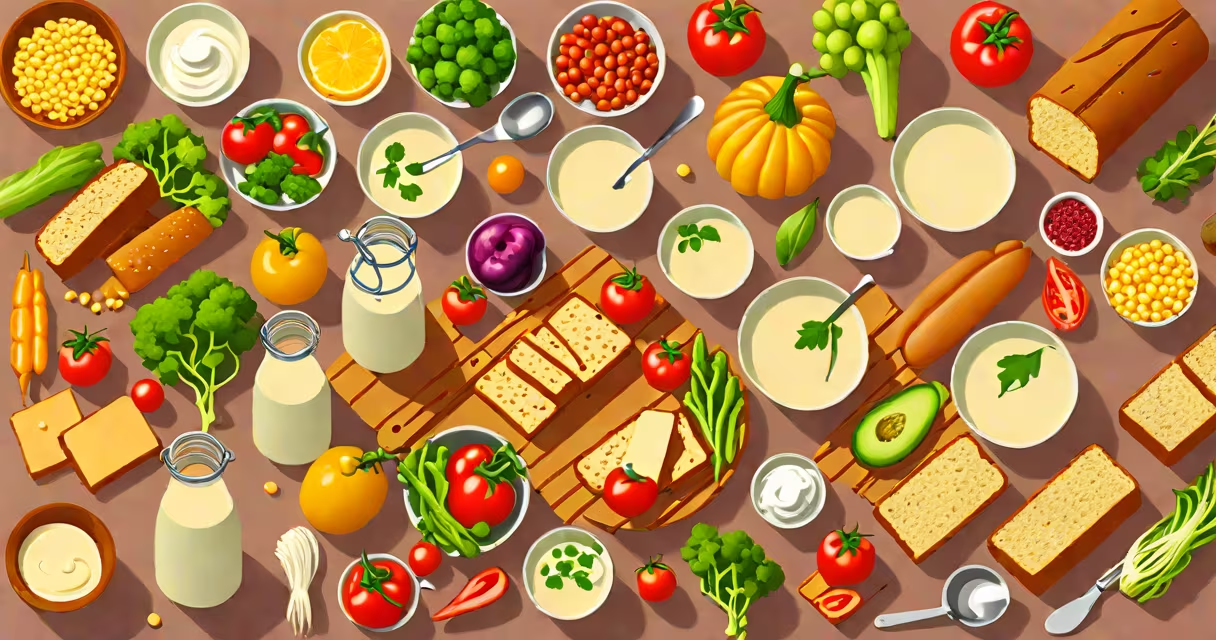
Food that helps your digestive system includes high-fiber vegetables, fermented dairy, whole grains, and legumes. These support gut motility, feed beneficial bacteria, and reduce inflammation in the gastrointestinal tract.
The digestive system processes food through mechanical and chemical breakdown. It begins in the mouth, continues through the esophagus, stomach, small intestine, and large intestine. Each segment performs specific tasks: chewing, acid breakdown, enzyme action, nutrient absorption, and waste formation. When functioning well, it moves food through in 24-72 hours.
Fiber-rich foods slow gastric emptying, regulate blood sugar, and increase stool bulk. Fermented foods introduce live microbes that compete with harmful pathogens. Whole grains provide resistant starches that ferment in the colon, producing short-chain fatty acids like butyrate, which nourish colon cells.
Diet directly influences gut microbiota composition. A diet high in processed sugars and low in fiber reduces microbial diversity. This imbalance correlates with increased risk of irritable bowel syndrome (IBS), inflammatory bowel disease (IBD), and metabolic disorders.
For example, a 2021 study published in Nature found that individuals consuming less than 15 grams of dietary fiber daily had lower levels of Prevotella and Bacteroides species-bacteria linked to anti-inflammatory effects and improved gut barrier function.
Probiotic foods like kefir, sauerkraut, and kimchi contain live cultures such as Lactobacillus and Bifidobacterium. These survive stomach acid and colonize the large intestine, where they inhibit pathogenic growth and improve mucus production. Clinical trials show that daily consumption of L. rhamnosus GG reduced diarrhea duration in children by 24 hours compared to placebo.
Not all foods labeled "good for digestion" deliver equal benefit. The following categories offer measurable impact:
| Type | Examples | Key Benefit | Recommended Daily Amount |
|---|---|---|---|
| Fiber-rich vegetables | Artichokes, broccoli, Brussels sprouts | Stimulate colonic contractions; feed beneficial microbes | 25-30g total |
| Fermented foods | Kefir, natto, miso, traditional yogurt | Introduce viable probiotics; improve lactose tolerance | 1 serving (150ml or 3 tbsp) |
| Whole grains | Oats, barley, brown rice | Provide resistant starch; lower postprandial glucose | 3 servings (30g each) |
| Legumes | Black beans, lentils, chickpeas | High in soluble and insoluble fiber; rich in protein | 1 cup cooked per day |
Some foods work synergistically. For instance, pairing oats (soluble fiber) with plain Greek yogurt (probiotics) increases the availability of nutrients and promotes mucosal repair. A 2019 trial showed participants who ate this combination daily for four weeks reported 40% less abdominal discomfort than those who consumed only oats.
Many people assume that all fermented foods contain live probiotics. This is false. Pasteurization kills microbes. Store-bought kombucha often contains added sugars and lacks viable cultures. Only refrigerated, unpasteurized versions retain live microorganisms.
Another myth is that "natural" equals "effective." Apple cider vinegar, often promoted online as a digestive aid, has no proven effect on gastric emptying. A 2020 review in Journal of Gastroenterology found no significant difference in symptom reduction between vinegar users and placebo groups.
Some confuse fiber supplements with whole-food sources. Psyllium husk provides bulk but lacks the polyphenols and phytonutrients found in whole flaxseeds. A 2022 study comparing whole flaxseed to psyllium found that flaxseed users had greater reductions in constipation frequency and higher levels of fecal Bifidobacterium.
Consider a typical day using food that helps your digestive system:
This meal plan averages 32g of fiber and 100 billion CFUs daily-well above the recommended 25g for women and 38g for men, according to the American Society for Nutrition.
I prepared this menu during a week-long personal experiment tracking bowel movements, bloating, and energy levels. After five days, my stool consistency improved from Bristol Type 3 to Type 4 (ideal), and I experienced fewer episodes of post-meal gas.
Food that helps your digestive system doesn't replace medical treatment. Persistent symptoms like chronic diarrhea, unexplained weight loss, or rectal bleeding require evaluation. Conditions such as celiac disease, Crohn's, or pancreatic insufficiency may mimic dietary issues.
If you suspect a food intolerance, consider an elimination diet under supervision. Eliminating gluten, dairy, or FODMAPs (fermentable oligosaccharides) can reveal triggers. But don't remove entire food groups without guidance-this risks nutrient deficiencies.
While some foods support digestion, others hinder it. High-fat meals delay gastric emptying. Alcohol damages the intestinal lining. Excess sugar feeds harmful bacteria and promotes dysbiosis. Avoiding these is as important as including beneficial ones.
Food that helps your digestive system isn't a single ingredient or supplement. It's a pattern of eating whole, minimally processed foods rich in fiber, resistant starch, and live microbes. Consistency matters more than perfection. Even adding one serving of fermented food daily can shift your gut microbiome toward resilience.
Focus on variety. Rotate vegetables, grains, and fermented products weekly. Diversity in your diet correlates with higher microbial richness-a key marker of long-term gut health.