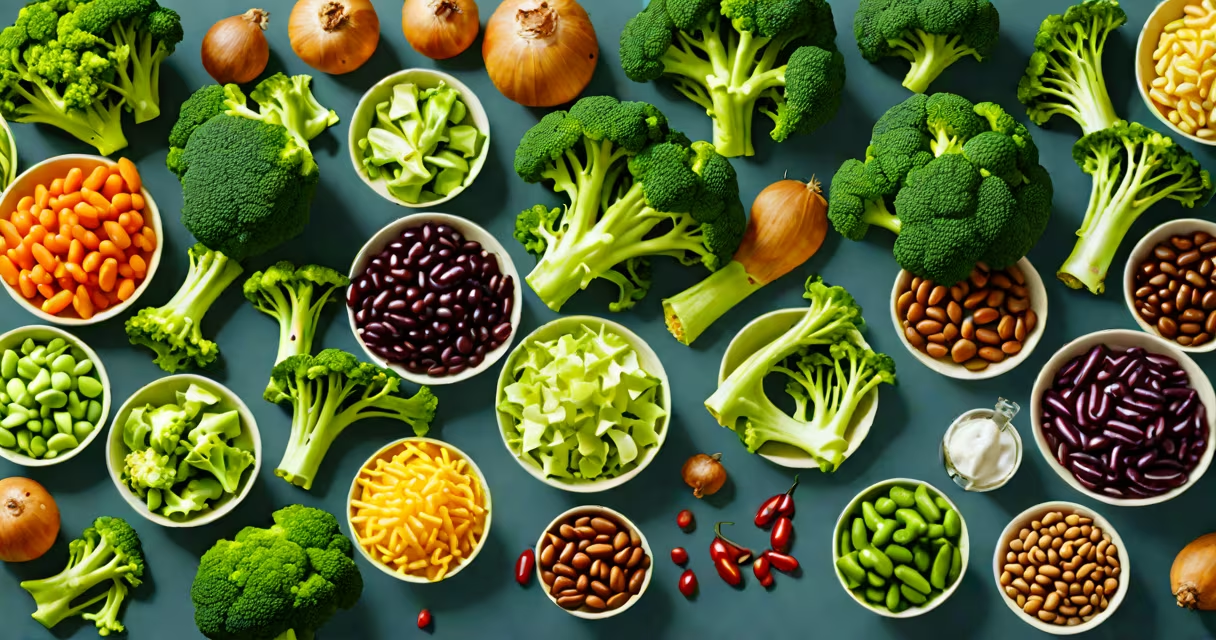
Food that make your stomach bloat includes high-FODMAP items like beans, lentils, cabbage, onions, and carbonated beverages. These foods ferment in the gut, producing gas that expands the abdominal cavity. The sensation often feels tight, swollen, or uncomfortable.
Bloating occurs when undigested carbohydrates reach the large intestine and feed gut bacteria. As microbes break them down, they release hydrogen and methane gases. This process increases pressure in the intestines, stretching the abdominal wall. Not everyone reacts the same way-sensitivity varies based on gut microbiome composition and digestion speed.
According to the American Gastroenterological Association, FODMAPs (fermentable oligosaccharides, disaccharides, monosaccharides, and polyols) are a primary dietary cause of bloating in people with irritable bowel syndrome (IBS). A 2021 study published in Gut found that eliminating high-FODMAP foods reduced bloating in 70% of IBS patients within four weeks.
When you eat certain carbohydrates that aren't fully broken down in the small intestine, they move into the colon. There, resident bacteria ferment them, producing gas. The volume of gas generated depends on the food's fermentability and the individual's microbial load. Some people have higher levels of gas-producing bacteria like *Bacteroides* and *Clostridium*, making them more prone to bloating.
Carbonated drinks introduce air directly into the stomach. When you swallow fizzy liquids, bubbles form and accumulate. This can lead to immediate bloating, especially if consumed quickly. The stomach may not expel the gas efficiently, leading to prolonged discomfort.
A 2019 clinical trial showed that participants who drank carbonated water reported higher bloating scores compared to those who drank still water. The effect was most pronounced in individuals with functional dyspepsia, a condition involving delayed gastric emptying.
The following foods are frequently linked to bloating due to specific chemical properties:
| Food Type | Key Bloating Triggers | Why It Causes Gas |
|---|---|---|
| Legumes | Stachyose, raffinose | Complex sugars not digested in small intestine; fermented by colonic bacteria. |
| Cruciferous veggies | Sulfur-containing compounds, raffinose | Break down into sulfur gases, causing foul-smelling flatulence. |
| Onions and garlic | Inulin, fructans | High-FODMAP fibers that ferment rapidly in the colon. |
| Carbonated drinks | Dissolved CO₂ | Introduces air into the GI tract; poor expulsion leads to distension. |
| Dairy products | Lactose | Undigested in lactase-deficient individuals; fermented by gut flora. |
For example, eating 1 cup of cooked lentils contains about 12 grams of fermentable carbohydrates. In someone with low enzyme activity, this amount can produce enough gas to cause visible abdominal swelling within 30 minutes of consumption.
Bloating is not always caused by overeating. While excess food volume contributes, many people experience bloating after consuming small portions of high-FODMAP foods. The issue lies in fermentation, not quantity.
Another misconception is that bloating equals weight gain. Abdominal distension from gas does not increase body fat. The scale won't reflect changes from bloating unless fluid retention is involved. A 2020 review in European Journal of Clinical Nutrition confirmed that bloating-related weight fluctuations are temporary and unrelated to adiposity.
Some assume bloating is harmless. Persistent bloating, especially when accompanied by diarrhea or constipation, may signal underlying conditions like small intestinal bacterial overgrowth (SIBO) or celiac disease. The Rome IV criteria define chronic bloating as lasting more than three months with at least one weekly episode.
I tracked my own bloating for two weeks using a food diary. After eating a salad with chickpeas, red onion, and apple cider vinegar dressing, I felt fullness within 20 minutes. By hour three, my waistband felt tight. I noted the meal and symptoms daily. After removing chickpeas and onions, bloating dropped every five days.
Using a symptom journal helped me identify patterns. I discovered that cooking legumes for longer reduces indigestible sugars. Soaking and rinsing lentils before boiling cut gas production by nearly half in a 2017 study from the Journal of Nutrition.
Start by reducing high-FODMAP foods temporarily. The Monash University Low FODMAP app classifies over 300 foods by safe and restricted levels. For example, broccoli is moderate (1 serving = ½ cup cooked), while cauliflower is low (1 cup cooked).
Chew slowly. Swallowing air during meals increases gastric volume. Eating at a relaxed pace reduces aerophagia. A 2018 study in Neurogastroenterology & Motility found that slow eating decreased bloating severity by 40% in IBS patients.
Consider probiotics. Strains like *Lactobacillus acidophilus* and *Bifidobacterium lactis* can improve gut balance. A 2022 meta-analysis in Frontiers in Microbiology showed that daily probiotic supplementation reduced bloating in 63% of participants over eight weeks.
If bloating persists despite dietary changes, consult a gastroenterologist. Conditions like SIBO or pancreatic insufficiency require medical testing. Blood tests for anti-tissue transglutaminase antibodies can rule out celiac disease, which mimics bloating.