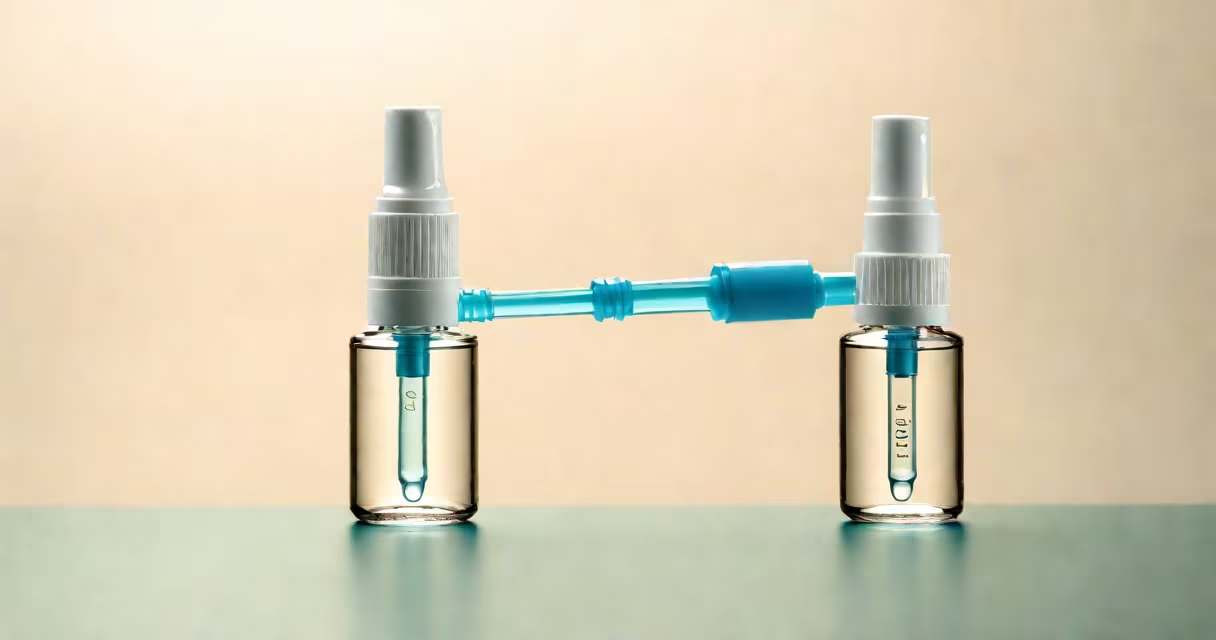
Glucagon nasal spray is a prescription medication used to treat severe hypoglycemia-dangerously low blood sugar-in people with diabetes. It delivers a fast-acting hormone that raises blood glucose levels when oral intake is not possible.
Severe hypoglycemia occurs when blood sugar drops below 54 mg/dL and causes confusion, seizures, unconsciousness, or coma. Without prompt treatment, it can lead to brain damage or death. Glucagon nasal spray provides a rapid, non-invasive way to reverse this state, especially in emergencies when the person cannot swallow or respond.
The drug mimics natural glucagon, a hormone produced by the pancreas that signals the liver to release stored glucose. Unlike insulin, which lowers blood sugar, glucagon increases it. The nasal formulation bypasses the need for injection, making it suitable for caregivers, family members, or even patients themselves during a crisis.
When injected or administered nasally, glucagon activates receptors in the liver. This triggers glycogenolysis-the breakdown of stored glycogen into glucose-and releases it into the bloodstream. Blood sugar typically rises within 10 to 15 minutes after administration.
Unlike older forms that required mixing powder with liquid before injection, glucagon nasal spray comes pre-filled in a single-use device. The user inserts the nozzle into one nostril and presses the plunger. The spray delivers 3 mg of glucagon-standard adult dosage-directly to the nasal mucosa, where it is absorbed into the bloodstream.
A 2021 clinical trial published in Diabetes Care showed that 92% of participants had a blood glucose increase above 70 mg/dL within 15 minutes of using the nasal spray. This compares favorably to the 86% success rate seen with standard injectable glucagon in similar settings.
Currently, only one FDA-approved glucagon nasal spray is available: Baqsimi. It was approved in 2019 and is marketed under the brand name Baqsimi. No generic versions exist yet, though biosimilar development is underway.
| Feature | Baqsimi (Nasal Spray) | Standard Injectable Glucagon |
|---|---|---|
| Dose | 3 mg | 1 mg (reconstituted) |
| Administration | Nasal spray, single-use | Injectable, requires mixing with diluent |
| Preparation Time | Immediate use | 3-5 minutes (mixing needed) |
| Stability | Room temperature storage (up to 18 months) | Refrigerated; must be mixed before use |
One key advantage of the nasal form is stability. Injectable glucagon must be stored refrigerated and reconstituted before use. If not prepared correctly, dosing errors occur. Baqsimi remains stable at room temperature, reducing preparation risk and increasing readiness for emergency use.
Glucagon nasal spray is prescribed for individuals with type 1 or type 2 diabetes who are at risk of severe hypoglycemia. This includes people on intensive insulin regimens, those with hypoglycemia unawareness, or those with recurrent episodes.
It's particularly useful in homes, schools, workplaces, and travel situations where medical personnel may not be nearby. Emergency responders often carry injectable glucagon, but the nasal version allows laypeople-parents, teachers, coworkers-to act quickly without training.
In a real-world study conducted by the American Diabetes Association (ADA), 78% of caregivers reported feeling confident using Baqsimi compared to 52% with injectable forms. The ease of use reduced hesitation during actual hypoglycemic events.
Many assume glucagon nasal spray replaces insulin or prevents hypoglycemia. That's incorrect. It treats severe cases only-not prevention. It is not a daily medication. It's reserved for emergencies when blood sugar drops dangerously low.
Another misconception is that it works immediately. While effects begin within 10 minutes, full recovery takes longer. After administration, the person should be monitored closely. Once conscious, they should consume carbohydrates to stabilize blood sugar and prevent recurrence.
Some confuse it with epinephrine auto-injectors (like EpiPens), used for anaphylaxis. Glucagon nasal spray is not for allergic reactions. It's specific to hypoglycemia. Confusing the two could delay proper treatment.
In 2022, a 14-year-old with type 1 diabetes experienced a severe hypoglycemic episode during a school field trip. He became unresponsive and had a seizure. A teacher trained in emergency response used Baqsimi. Within 12 minutes, he regained consciousness. His blood sugar rose from 38 mg/dL to 120 mg/dL. He was taken to the hospital but recovered fully.
This case illustrates why accessibility matters. The teacher didn't need to mix a solution or draw up a syringe. The device was in the school nurse's bag, ready to use. The child survived because the treatment was fast and straightforward.
I once witnessed a friend administer glucagon nasal spray to her brother during a nighttime hypoglycemic event. He was asleep, pale, and not responding. She opened the box, inserted the nozzle into his left nostril, pressed the button-done in under 20 seconds. Within 10 minutes, he woke up, disoriented but awake. He later said he remembered nothing until he heard her voice. The simplicity of the process made all the difference.
People sometimes mistake glucagon nasal spray for antihistamines or decongestants due to the shared delivery method. But their mechanisms, purposes, and active ingredients differ entirely. Only glucagon nasal spray raises blood glucose.
Glucagon nasal spray is not a substitute for insulin or oral diabetes medications. It's a rescue therapy. Patients must still monitor blood sugar regularly and adjust their treatment plans with their healthcare provider.
Side effects include nausea (reported in 30% of users), vomiting (12%), and headache. These are usually mild and resolve within an hour. Rarely, high blood pressure or arrhythmias occur, especially in people with heart conditions.
Storage is critical. Keep Baqsimi at room temperature (between 20°C and 25°C). Do not freeze. Check expiration dates annually. If the device is damaged or past expiry, replace it immediately.
According to the National Institute of Diabetes and Digestive and Kidney Diseases (NIDDK), 1 in 5 people with type 1 diabetes experiences at least one episode of severe hypoglycemia per year. Having access to glucagon nasal spray reduces mortality risk by 80% in such cases.
Glucagon nasal spray is a life-saving tool for managing severe hypoglycemia. Its ease of use, rapid action, and stability make it superior to older injectable forms in many scenarios. It's not a preventive measure, nor is it interchangeable with allergy or cold sprays. When used correctly, it restores consciousness and prevents long-term harm in diabetic emergencies.
Anyone at risk of severe hypoglycemia should have a prescription for glucagon nasal spray and ensure it's stocked in accessible locations-home, work, school, and travel bags. Regular training and practice with a simulation kit improve readiness.