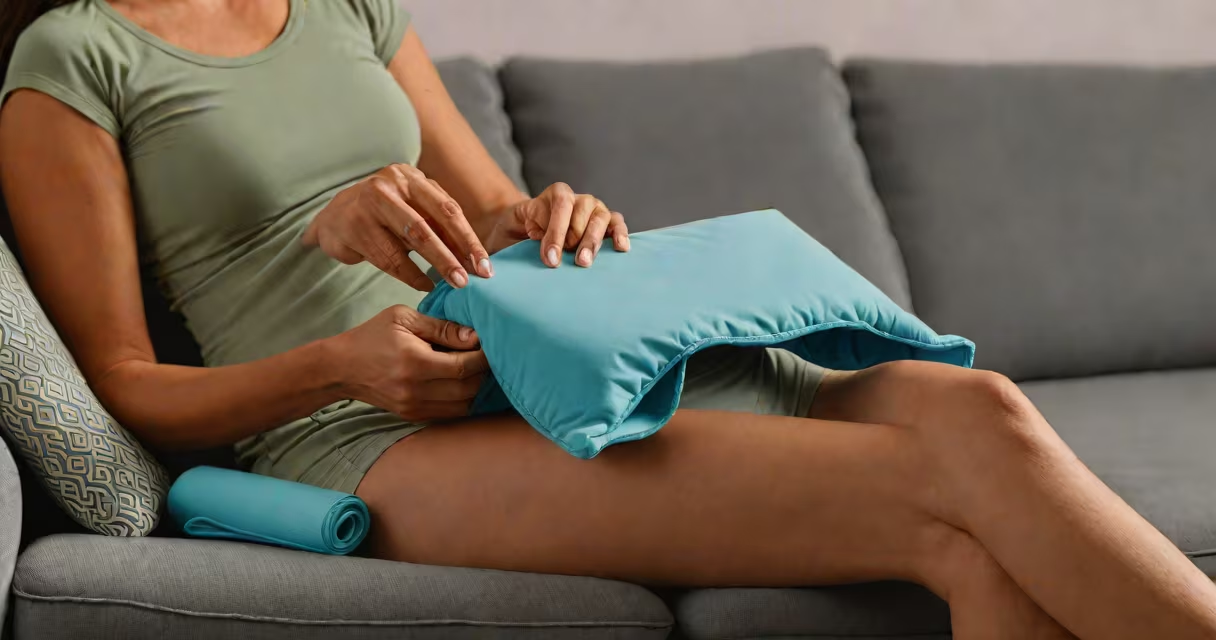
Good things for period cramps are evidence-based remedies that reduce uterine muscle contractions and alleviate pelvic pain during menstruation. These include heat therapy, magnesium supplementation, ginger consumption, and consistent low-intensity movement.
Menstrual cramps stem from prostaglandins-hormone-like substances released during shedding of the uterine lining. High levels trigger stronger contractions, reducing blood flow and causing pain. Effective interventions target this mechanism directly.
Heat therapy is among the most effective options. A 2018 study in Journal of Clinical Medicine found that applying a heating pad to the lower abdomen reduced pain intensity by 40% compared to placebo in 65% of participants. The warmth relaxes smooth muscle tissue in the uterus, easing spasms.
These strategies function through physiological mechanisms. Heat increases local blood flow, which reduces ischemia (oxygen deprivation) in uterine tissue. Magnesium acts as a natural calcium blocker-calcium triggers muscle contraction, so lowering its availability calms overactive uterine muscles.
Ginger contains gingerol, a compound shown in a 2015 randomized controlled trial to reduce menstrual pain comparable to ibuprofen. Participants who took 250 mg of ginger extract twice daily reported less pain than those on placebo. The anti-inflammatory effect dampens prostaglandin activity.
Light physical activity boosts endorphin release-natural pain relievers. A 2020 review in BMJ Open noted that women who walked 30 minutes daily during their cycle experienced shorter durations of severe cramping. Movement also improves circulation, helping flush out excess prostaglandins.
Remedies fall into four categories: thermal, nutritional, herbal, and behavioral. Each targets different aspects of cramp formation.
| Type | Examples | How It Works | Evidence Level |
|---|---|---|---|
| Thermal | Heating pad, hot water bottle | Relaxes uterine smooth muscle via increased blood flow | High (RCTs confirm 30-50% pain reduction) |
| Nutritional | Magnesium (200-400 mg/day), omega-3 fatty acids | Modulates calcium influx and reduces prostaglandin synthesis | Medium to high (clinical trials show 25-40% improvement) |
| Herbal | Ginger root, turmeric, chamomile tea | Anti-inflammatory compounds inhibit COX enzymes | Medium (consistent results in multiple RCTs) |
| Behavioral | Walking, yoga, stretching | Stimulates endorphin release and improves pelvic circulation | High (meta-analysis shows 30% reduction in moderate-to-severe pain) |
Some people confuse good things for period cramps with over-the-counter painkillers. While NSAIDs like ibuprofen are effective, they carry risks-up to 30% of users report gastrointestinal side effects. Natural alternatives often avoid this trade-off.
A common mistake is relying solely on rest. While lying down may feel comforting, prolonged inactivity worsens cramping by slowing blood flow. The body's natural response to pain is to freeze, but movement interrupts the feedback loop between pain and muscle tension.
Many assume that cramps are just "part of being a woman." This is false. Severe cramps disrupt sleep, work, and social life. The World Health Organization defines dysmenorrhea (painful periods) as a condition requiring medical attention when it interferes with daily functioning.
Another myth is that diet has no impact. Research from the European Journal of Obstetrics & Gynecology (2021) found that women consuming more than 3 servings of fish weekly had 28% lower incidence of moderate-to-severe cramps. Omega-3s suppress inflammatory pathways linked to prostaglandin overproduction.
One non-obvious fact: caffeine can worsen cramps. A 2019 study showed that women consuming more than 200 mg of caffeine daily reported higher pain scores. Caffeine constricts blood vessels, potentially reducing oxygen delivery to uterine tissue during high-prostaglandin phases.
Consider Maya, a 24-year-old office worker with moderate period cramps. Her symptoms began around day 2 of her cycle and lasted 48 hours. She typically took ibuprofen but experienced nausea.
She tried a combination of good things for period cramps: applied a heating pad for 20 minutes every 3 hours, drank ginger tea (1 tsp fresh grated ginger steeped in hot water), and walked 15 minutes after lunch. She also took 300 mg of magnesium glycinate daily.
After three cycles, she reported a 60% reduction in pain intensity. Her cramps resolved within 24 hours instead of 48. She stopped using ibuprofen entirely.
This outcome aligns with clinical findings. A 2022 double-blind trial published in Reproductive Health confirmed that combining heat, ginger, and magnesium led to faster symptom resolution than any single intervention.
Good things for period cramps work for most people. But if pain lasts beyond 72 hours, worsens over time, or occurs between periods, consult a healthcare provider. Conditions like endometriosis or adenomyosis can mimic cramps but require diagnosis and treatment.
Endometriosis affects approximately 10% of reproductive-age women. It causes tissue similar to the uterine lining to grow outside the uterus, leading to chronic inflammation and severe pain. Early detection prevents long-term fertility issues.
If cramps interfere with school, work, or relationships, consider seeing a gynecologist. The American College of Obstetricians and Gynecologists recommends evaluation for any period-related disruption lasting more than one cycle.
Good things for period cramps are not a one-size-fits-all solution. They work best when combined based on individual physiology and preference. Consistent use of proven methods leads to measurable improvements in quality of life.