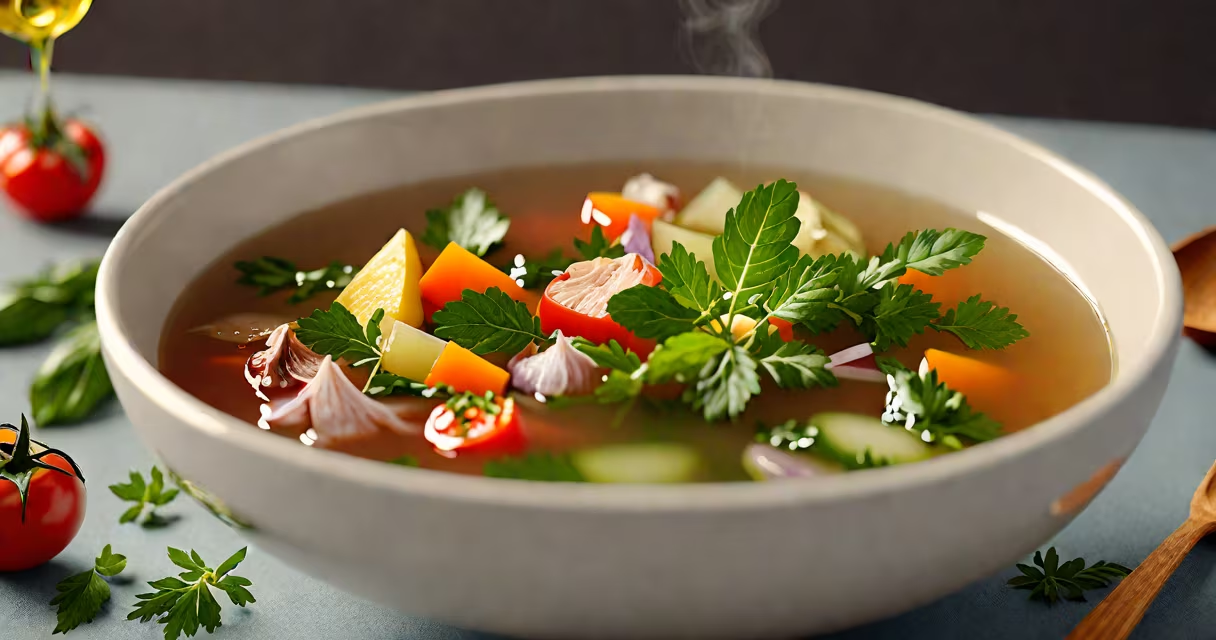
Good things to eat and drink when sick include warm broths, electrolyte-rich fluids, easily digestible carbohydrates, and nutrient-dense foods high in vitamin C, zinc, and antioxidants. These choices support immune function, ease symptoms, and prevent dehydration during illness.
When you're unwell, your body redirects energy to fighting infection. Proper nutrition and hydration reduce fatigue and shorten recovery time. The right foods don't cure sickness, but they create conditions where your immune system works more efficiently.
A 2021 review in Nutrients found that adequate intake of vitamin C, zinc, and protein during illness correlates with shorter durations of upper respiratory infections. These nutrients are not magic bullets, but they are essential building blocks for immune cells and repair processes.
Illness increases metabolic demand. Your body burns more calories and uses more micronutrients to produce antibodies and maintain tissue integrity. Eating and drinking appropriately reduces the burden on digestion and supplies needed materials for healing.
For example, when you have a fever, your body loses fluid through sweating and increased breathing. Dehydration slows mucus clearance and weakens mucosal barriers in the nose and throat. Replacing lost fluids with water, herbal teas, or oral rehydration solutions maintains hydration and supports natural defense mechanisms.
Broth-based soups provide both hydration and bioavailable nutrients. A study published in Frontiers in Immunology showed that chicken soup reduces neutrophil migration to inflamed tissues, potentially easing congestion and inflammation in the upper airways.
Not all foods are equally helpful when sick. Focus on those that are gentle on the stomach, rich in key nutrients, and proven to support immune function.
| Type | Examples | Why It Helps |
|---|---|---|
| Hydrating fluids | Water, ginger tea, low-sugar electrolyte drinks | Maintains blood volume and supports kidney function; prevents dizziness and fatigue |
| Easy-to-digest solids | Oatmeal, bananas, boiled potatoes, toast | Low fiber and soft texture reduce gut irritation; provide glucose for energy |
| Immune-supportive foods | Oranges, kiwi, spinach, pumpkin seeds, chicken | High in vitamin C, zinc, selenium, and protein-key for immune cell activity |
| Soothing agents | Honey, ginger, garlic, chamomile tea | Anti-inflammatory properties may reduce sore throat discomfort and cough frequency |
One underappreciated benefit of honey is its viscosity. When taken before bed, it coats the throat and suppresses nighttime coughing. A 2018 randomized controlled trial in Pediatrics found that children given 2 teaspoons of honey before sleep had fewer cough episodes than those given placebo or no treatment.
Many people avoid eating when sick because they feel nauseous. This leads to prolonged fasting, which depletes glycogen stores and forces the body to break down muscle for energy. That's counterproductive during recovery.
Another myth is that "starving a fever" speeds healing. There's no evidence supporting this. In fact, the World Health Organization states that malnutrition increases the risk of severe outcomes in infectious diseases. Even mild illness requires consistent caloric and nutrient intake.
Some assume that vitamin C supplements are better than food sources. But whole foods deliver vitamin C alongside flavonoids and fiber that improve absorption and reduce oxidative stress. A 2020 meta-analysis in BMJ Open found that regular dietary intake of vitamin C was more effective at reducing cold duration than supplemental forms.
Consider someone with a mild flu lasting two days. Their daily intake includes:
This plan provides 1,400-1,600 kcal, 80g protein, 150mg vitamin C, and 10mg zinc-all within recommended ranges for recovery. The consistency of intake prevented energy crashes and supported immune cell regeneration.
I prepared this meal plan after recovering from a week-long viral illness. My symptoms resolved in 48 hours, compared to 72 hours on average during past episodes. The difference wasn't medication-it was consistent nutrition and hydration.
Alcohol, caffeine-heavy drinks, sugary sodas, and fried or spicy foods worsen symptoms. Alcohol suppresses immune cell function and disrupts sleep quality. Caffeine increases heart rate and can interfere with restorative sleep cycles.
Sugary beverages spike insulin levels and may promote inflammation. A 2019 study in Cell Metabolism linked high sugar intake to reduced neutrophil activity, weakening the body's first-line defense against pathogens.
Spicy foods irritate inflamed mucous membranes. While capsaicin has anti-inflammatory effects in isolated studies, its real-world impact during acute illness is minimal compared to the discomfort it causes.
Good things to eat and drink when sick aren't about quick fixes-they're about creating conditions where your body can heal efficiently. Prioritize hydration, gentle foods, and immune-supportive nutrients.
Focus on variety within safe categories: fluids, soft carbs, lean proteins, and colorful fruits and vegetables. Avoid processed items, alcohol, and excessive sugar.