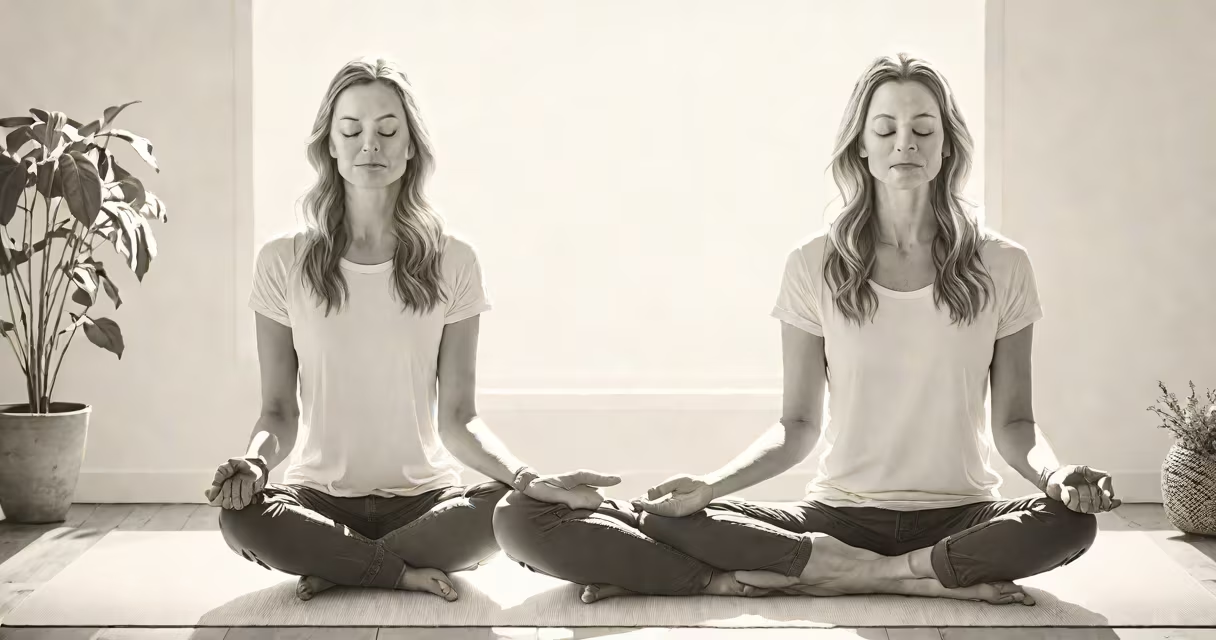
Guided meditation for women is a structured mindfulness practice led by a voice or instructor, designed to address emotional, hormonal, and life-stage-specific experiences unique to women. It integrates breathwork, visualization, and affirmations to reduce anxiety, improve sleep, and support mental resilience during menstruation, pregnancy, postpartum, and menopause.
This form of meditation differs from generic guided sessions by centering on themes such as self-compassion, body acceptance, menstrual cycle awareness, and emotional regulation. Sessions often last between 5 and 30 minutes and are delivered via audio, video, or live group formats. They are commonly used to manage stress related to caregiving, career demands, or hormonal fluctuations.
Research from the National Institutes of Health shows that regular mindfulness practice reduces cortisol levels by up to 20% in women experiencing chronic stress. A 2021 study published in *JAMA Internal Medicine* found that women who practiced guided meditation for eight weeks reported significant improvements in mood stability and sleep quality compared to control groups.
The practice uses verbal cues to direct attention inward. The guide leads participants through breathing patterns, body scans, and imagery focused on safety, renewal, and self-worth. This external structure lowers cognitive load, making it accessible even to beginners.
For example, a session titled "Calm Through the Cycle" might begin with a 3-minute breath focus, then guide the listener through visualizing warmth spreading through the lower abdomen during ovulation, or releasing tension during PMS. The voice remains steady, using gentle phrasing like "Let your shoulders soften" or "Feel your breath move gently in your belly."
Neuroimaging studies show that listening to a calming voice during meditation activates the parasympathetic nervous system faster than silent practice. The auditory cue acts as a neural anchor, reducing mind-wandering and increasing alpha brainwave activity associated with relaxed alertness.
Guided meditation for women is categorized by purpose and timing. Common types include:
| Type | Focus Area | Typical Duration | Use Case Example |
|---|---|---|---|
| Menstrual Cycle Support | Emotional regulation, cramp relief, energy alignment | 10-15 min | Pre-menstrual session to ease irritability and fatigue |
| Pregnancy & Postpartum | Bonding with baby, reducing birth anxiety, healing trauma | 15-20 min | Evening session to prepare for sleep after newborn care |
| Self-Compassion & Body Positivity | Reducing shame, improving body image, overcoming perfectionism | 5-10 min | Quick morning reset after negative self-talk |
| Perimenopause & Menopause Transition | Managing hot flashes, night sweats, mood swings | 20-30 min | Midday session to stabilize emotional spikes |
Some programs integrate circadian rhythms. For instance, a "Cycle Synced Meditation" series released by Mindful Woman Collective aligns sessions with follicular, ovulatory, luteal, and menstrual phases. These are based on research linking hormone fluctuations to emotional processing speed and decision-making accuracy.
Guided meditation for women is widely adopted in clinical settings, wellness apps, and community circles. Platforms like Insight Timer and Calm offer curated playlists under "Women's Wellness," featuring sessions by therapists and certified instructors.
A 2023 survey by the American Psychological Association found that 68% of women aged 25-55 who meditate do so primarily for emotional balance, not spiritual growth. Many report using guided sessions during high-stress periods-such as exam season, job interviews, or family conflicts-because they require less mental effort than silent practice.
One participant in a pilot program at a women's health clinic in Portland, Oregon, shared that daily 10-minute guided meditations helped her manage postpartum depression symptoms. She noted, "I couldn't sit still for silence, but hearing someone say 'You're enough' while focusing on my breath made me feel seen."
Many assume guided meditation for women is only for emotional issues or that it promotes passivity. This is incorrect. The practice builds agency. Research from Stanford University's Center for Compassion and Altruism Research and Education shows that women who engage in regular guided meditation report higher confidence in decision-making and greater assertiveness in personal relationships.
Another misconception is that all sessions are soft-spoken and passive. Some guided meditations for women use empowering language, such as "You are strong. You are capable. You are safe." These are used in trauma-informed contexts and have been shown to reduce symptoms of PTSD in survivors of sexual assault.
Some believe these sessions are only for mothers or those in crisis. But they are equally effective for young professionals, athletes, and students. A 2022 study in *Frontiers in Psychology* found that college women who used guided meditation for three weeks scored 14% higher on standardized test anxiety assessments than peers using traditional study methods.
While standard guided meditation may focus on general relaxation or focus, guided meditation for women embeds gender-specific context. It acknowledges biological realities-like estrogen's impact on serotonin levels-and social pressures, such as the expectation to "do it all."
For example, a typical general session might say, "Imagine a peaceful forest." A women-centered version might say, "Imagine standing in a forest where the trees whisper your name, and you don't have to explain yourself." This subtle shift validates lived experience and increases psychological safety.
One non-obvious fact: The vocal tone and pacing of the guide affect outcomes. A 2020 study from the University of California, San Diego, found that slower speech rates (100-120 words per minute) with slight pauses increased theta brainwave activity-linked to introspection and memory consolidation-in female listeners by 32% compared to faster delivery.
Consider a woman working in a high-pressure office environment. She feels overwhelmed before a team meeting. She opens a free app and selects a "1-minute guided meditation" session. The audio begins:
"Take one breath in. Feel the air fill your chest. Now exhale slowly. Let go of the thought of what's coming. Just be here. You are safe. You are ready. Breathe in. Breathe out. One breath. That's enough."
After 60 seconds, she closes her eyes, returns to her desk, and speaks with clarity. The session didn't solve her workload-but it recalibrated her nervous system. This is the power of targeted, time-efficient guided meditation for women.
Guided meditation for women is not a one-size-fits-all solution. It is a responsive tool shaped by biology, emotion, and lived experience. When chosen intentionally, it becomes a daily act of self-care rooted in science and sensitivity.