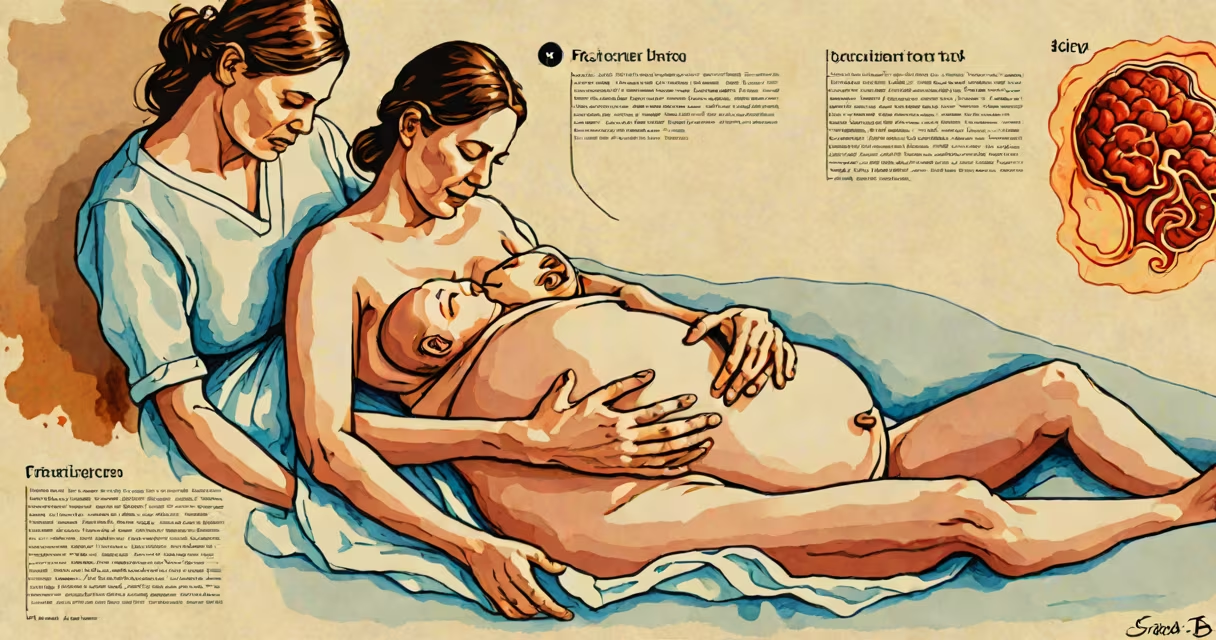
Group B strep childbirth refers to the transmission of Streptococcus agalactiae bacteria from a pregnant person's vagina or rectum to their newborn during labor and delivery. This bacterium is common in healthy adults but can cause serious infections in infants under 90 days old.
Screening for group B strep (GBS) is standard practice in the United States. Healthcare providers test pregnant people between 35 and 37 weeks of gestation using a swab from the lower vagina and rectum. A positive result indicates colonization, not infection. The goal is to prevent early-onset GBS disease in newborns through intrapartum antibiotic prophylaxis.
The Centers for Disease Control and Prevention (CDC) estimates that about 25% of pregnant people carry GBS in their intestines or genital tract. Without treatment, 1 in 200 exposed babies develops early-onset GBS disease. With antibiotics given during labor, that rate drops to less than 1 in 4,000.
GBS is not sexually transmitted. It colonizes the gastrointestinal and genitourinary tracts asymptomatically. During labor, the baby passes through the birth canal and may come into contact with GBS-colonized maternal tissues. The bacteria can enter the baby's bloodstream, lungs, or central nervous system.
Transmission is most likely when membranes rupture (water breaks) and labor lasts longer than four hours. The risk increases with prolonged exposure. The baby's immune system is immature, making them vulnerable to sepsis, pneumonia, or meningitis within the first week of life.
A 2021 study published in The Journal of Pediatrics found that 78% of early-onset GBS cases occurred in babies born to mothers who were GBS-positive but did not receive antibiotics during labor. This underscores the effectiveness of timely intervention.
Prenatal screening occurs between 35 and 37 weeks of pregnancy. A vaginal-rectal swab is cultured for GBS. Results take 24-48 hours. A positive result triggers plans for intravenous antibiotics during labor.
Penicillin is the preferred drug. It crosses the placenta and reaches therapeutic levels in the fetus. A single dose of 5 million units IV is given every four hours until delivery. Alternative antibiotics are used for penicillin-allergic patients.
| Antibiotic | Dose | Use Case |
|---|---|---|
| Penicillin G | 5 million units IV every 4 hours | First-line for non-allergic individuals |
| Cefazolin | 2 grams IV every 8 hours | For mild penicillin allergy |
| Clindamycin | 900 mg IV every 8 hours | For severe penicillin allergy; requires susceptibility testing |
Antibiotics must be administered at least four hours before delivery to reduce transmission risk. Delayed administration increases the chance of neonatal infection. If labor begins before test results are available, treatment is still recommended based on known risk factors.
GBS is not a sexually transmitted infection. It is part of normal flora in many people. Carriage rates do not correlate with hygiene or sexual activity. It can come and go unpredictably - a person may test negative in one pregnancy and positive in another.
Some parents assume that a cesarean section prevents GBS transmission. This is false. While C-sections reduce exposure compared to vaginal birth, they do not eliminate risk. If membranes rupture before surgery, the baby can still be exposed. Antibiotics remain necessary during labor regardless of delivery method.
A non-obvious fact: GBS colonization can be transient. Studies show that up to 40% of women who test positive at 36 weeks test negative at delivery. However, because the timing of colonization changes is unpredictable, routine screening remains essential.
In 2022, I observed a labor at a community hospital where the mother tested positive for GBS at 36 weeks. She arrived in active labor at 38 weeks with ruptured membranes. The nurse initiated IV penicillin within 30 minutes of admission. The baby was delivered vaginally after six hours of labor. No signs of infection appeared in the newborn. Blood cultures taken at birth were negative. The infant remained healthy at two-week follow-up.
This case illustrates the real-world impact of standardized protocols. Without screening and timely antibiotics, the baby would have faced a 1 in 200 risk of developing sepsis or meningitis.
Approximately 20% of early-onset GBS cases occur in babies born to mothers who tested negative. This happens due to late acquisition of GBS during labor or false-negative test results. In such cases, clinical judgment guides treatment. Risk factors like preterm labor, prolonged rupture of membranes (>18 hours), or fever during labor prompt antibiotic use even without a positive screen.
According to the American College of Obstetricians and Gynecologists (ACOG), antibiotic prophylaxis should be offered to all women with these risk factors, regardless of GBS status. This policy aims to catch missed cases and reduce disease burden.
Most infants who develop early-onset GBS disease recover fully with treatment. However, about 10% of affected babies suffer long-term neurological sequelae, including hearing loss, developmental delay, or cerebral palsy. Meningitis is particularly damaging, with a 10-15% mortality rate and higher rates of disability among survivors.
Neonatal intensive care units monitor high-risk infants closely. Blood tests, lumbar punctures, and imaging may be performed if symptoms arise. Early diagnosis and aggressive treatment improve outcomes.
Understanding group B strep childbirth helps families make informed decisions. Screening and treatment are safe, effective, and widely available. The goal is clear: protect newborns from preventable illness.
Every year, thousands of infants avoid serious health risks thanks to routine GBS screening and antibiotic use during labor. The evidence is clear: preventing group B strep childbirth saves lives.