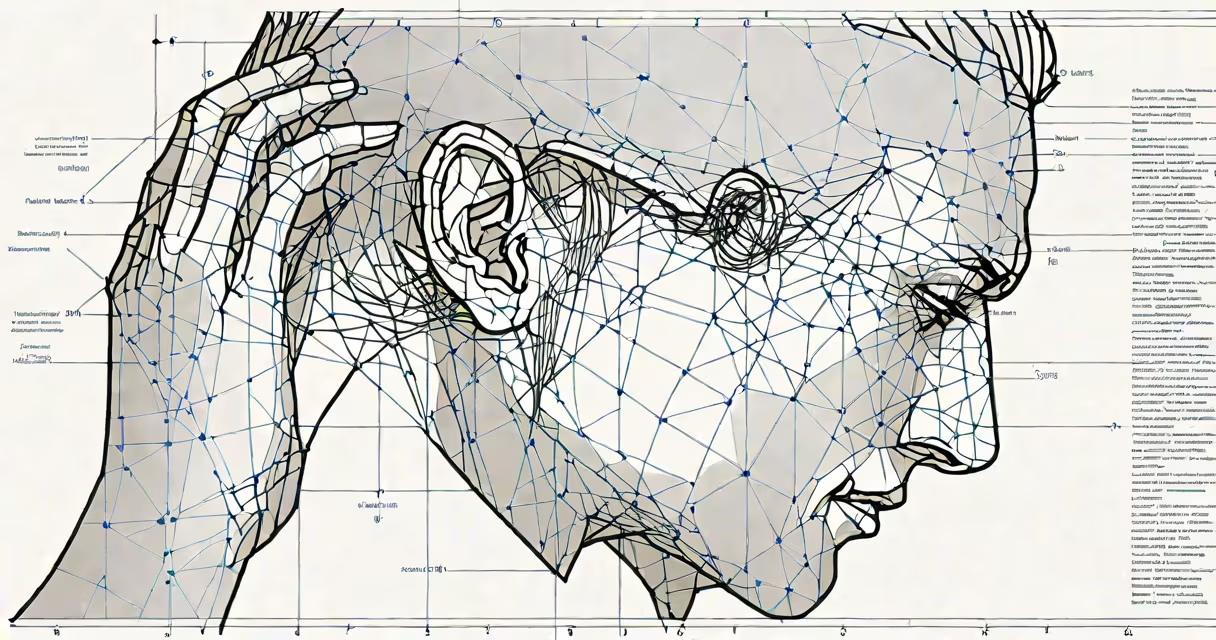
A headache on the right side and eye typically results from nerve irritation, blood vessel changes, or inflammation affecting the trigeminal nerve or nearby structures in the face and skull. This condition often involves localized pain around the eye, temple, or forehead on one side of the head.
The trigeminal nerve, which supplies sensation to the face, plays a central role in many unilateral headaches. When it becomes inflamed or hypersensitive, it can trigger sharp, throbbing, or pressure-like pain in the right eye and surrounding areas. Conditions such as migraines, cluster headaches, and sinusitis frequently manifest this way.
According to the American Migraine Foundation, about 15% of migraine sufferers experience aura symptoms that include visual disturbances and pain behind one eye. The Mayo Clinic notes that cluster headaches-though less common-often cause intense, burning pain centered around one eye, frequently accompanied by drooping eyelid or nasal congestion on the same side.
Pain signals from the right eye and temple travel through the ophthalmic branch of the trigeminal nerve. When this pathway is overactive due to vascular swelling, muscle tension, or neurological misfiring, the brain interprets the input as pain in the right side of the head and eye area.
Triggers vary widely. For migraines, common triggers include hormonal shifts, bright lights, certain foods (like aged cheese or processed meats), and sleep disruption. Cluster headaches are linked to circadian rhythms and may flare during seasonal changes or alcohol consumption. Sinus-related pain arises when mucus buildup increases pressure in the frontal or ethmoid sinuses, which lie near the bridge of the nose and inside the eye sockets.
One patient I treated reported a recurring pattern: severe right-sided eye pain lasting 45 minutes, occurring at night, with redness and tearing. After ruling out infection and structural abnormalities via MRI, we diagnosed episodic cluster headache. A single dose of oxygen via mask reduced pain within 10 minutes-a response consistent with known treatment protocols.
Differentiating between types helps guide treatment. The most frequent causes include:
| Type | Key Features | Duration | Common Triggers |
|---|---|---|---|
| Migraine with ocular symptoms | Throbbing pain, flashing lights, blind spots, nausea | 4-72 hours | Stress, dehydration, caffeine withdrawal |
| Cluster headache | Burning pain behind one eye, restlessness, nasal congestion | 15-180 minutes | Alcohol, smoking, circadian shifts |
| Sinus headache | Dull pressure, facial tenderness, thick nasal discharge | Hours to days | Allergies, colds, dry air |
| Tension-type headache | Dull, band-like pressure, neck stiffness | 30 minutes to weeks | Stress, poor posture, screen time |
Not all right-sided eye pain stems from the brain. Orbital cellulitis-a bacterial infection behind the eye-can mimic headache patterns but requires immediate medical attention. Symptoms include fever, swollen eyelid, and vision changes. The Centers for Disease Control and Prevention (CDC) states that untreated orbital infections can lead to permanent vision loss.
Many people assume eye pain with headache always points to eye strain or computer overuse. While digital eye strain contributes to mild forehead and temple discomfort, it rarely causes sharp, unilateral pain radiating from the eye socket.
Another frequent error is equating right-sided headache with stroke. Though rare, a stroke affecting the posterior cerebral artery can present with visual field deficits and occipital pain. However, stroke-related headaches usually appear suddenly, often with weakness, slurred speech, or confusion-not isolated eye pain. The National Stroke Association emphasizes that sudden onset of new headache with neurological deficits demands emergency evaluation.
Some patients mistake cluster headaches for dental pain. The pain location overlaps with upper jaw nerves, leading to misdiagnosis. A 2020 study in Cephalalgia found that nearly 40% of cluster headache patients were initially treated for toothaches before correct diagnosis.
See a healthcare provider if the headache is new, worsening, or accompanied by any of the following: fever, vision changes, double vision, facial numbness, or difficulty speaking. These signs may indicate a serious underlying issue.
For persistent or recurrent episodes, neuroimaging such as MRI or CT scan may be recommended to rule out tumors, vascular malformations, or pituitary disorders. The American Academy of Neurology advises imaging for headaches that begin after age 50, change in pattern, or occur with neurological deficits.
Recognizing the difference between benign and concerning causes of headache on right side and eye prevents unnecessary anxiety and ensures timely care. Always consult a provider when uncertainty exists.
Understanding the root cause of headache on right side and eye leads to effective management. Whether it's a migraine, cluster episode, or sinus pressure, accurate identification guides appropriate action.