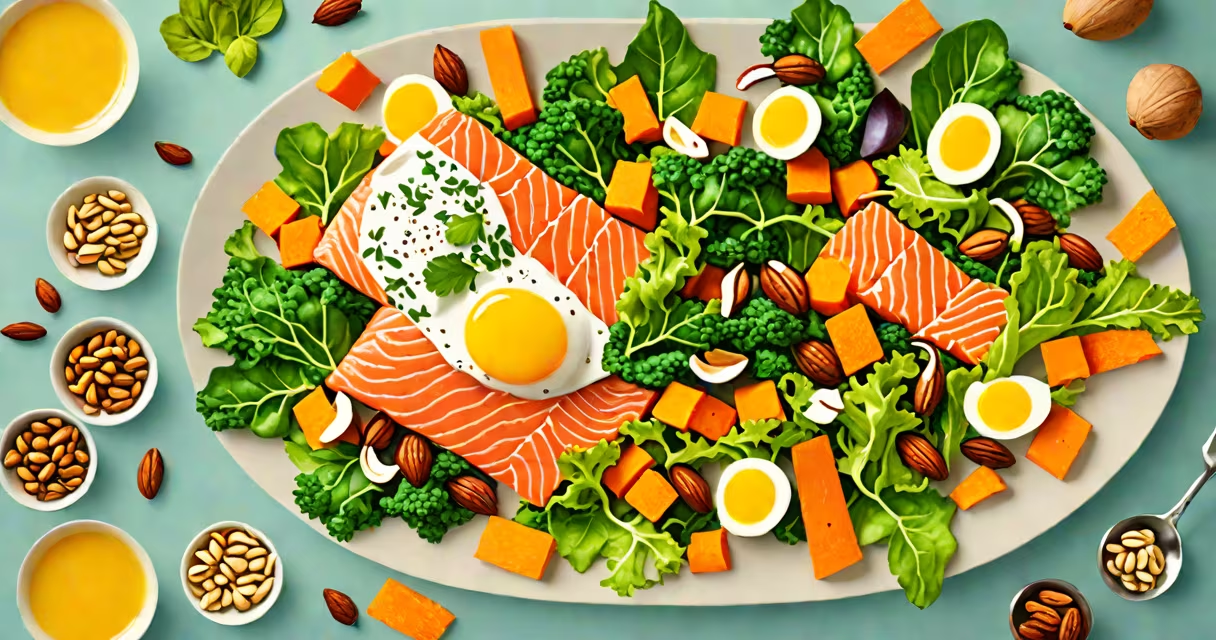
A healthy diet for hypothyroidism emphasizes whole, unprocessed foods rich in iodine, selenium, zinc, and omega-3 fatty acids while minimizing goitrogens, gluten, and inflammatory fats. This dietary pattern supports thyroid hormone production, reduces autoimmune triggers, and improves energy metabolism.
Thyroid function relies on precise hormonal signaling. The thyroid gland produces triiodothyronine (T3) and thyroxine (T4), which regulate metabolism, body temperature, and energy levels. Hypothyroidism occurs when the thyroid underproduces these hormones, often due to Hashimoto's disease, iodine deficiency, or autoimmune dysfunction. Nutrition plays a direct role in both symptom management and long-term hormonal stability.
Research from the American Thyroid Association confirms that dietary factors influence thyroid autoimmunity. A 2021 study published in Thyroid found that patients with Hashimoto's who followed a Mediterranean-style diet rich in vegetables, fish, nuts, and olive oil experienced reduced thyroid peroxidase (TPO) antibodies and improved quality of life compared to those on a standard Western diet.
The thyroid requires specific micronutrients to synthesize and activate hormones. Iodine is essential for T4 production-each molecule contains four iodine atoms. Selenium aids in converting T4 to the more active T3 form and protects thyroid tissue from oxidative damage. Zinc supports thyroid hormone receptor sensitivity and immune modulation.
Deficiencies in these nutrients correlate with worsening hypothyroid symptoms. A 2019 study in Nutrients showed that individuals with low selenium levels had higher TPO antibody titers and were more likely to progress to overt hypothyroidism. Conversely, adequate selenium intake was linked to lower antibody levels and better treatment outcomes.
Anti-inflammatory foods reduce systemic stress on the immune system. Chronic inflammation may exacerbate autoimmune thyroid conditions. Omega-3 fatty acids from fatty fish, flaxseeds, and chia seeds modulate immune responses and improve lipid profiles, which are often disrupted in hypothyroid patients.
Include these nutrient-dense foods in your daily meals:
Goitrogenic foods-such as raw broccoli, cabbage, kale, and soy-can interfere with iodine uptake and thyroid hormone synthesis. Cooking reduces their potency. For example, boiling kale for five minutes decreases its goitrogenic activity by up to 50%. Individuals with severe hypothyroidism may benefit from limiting raw cruciferous vegetables to one serving per week.
Gluten is another common trigger. Studies show that up to 30% of people with Hashimoto's have elevated anti-tissue transglutaminase (tTG) antibodies, indicating non-celiac gluten sensitivity. Eliminating gluten for six months led to significant reductions in TPO antibodies and improved fatigue scores in a 2020 clinical trial published in Autoimmunity Reviews.
Many assume that all thyroid diets require strict elimination of entire food groups. This is incorrect. A healthy diet for hypothyroidism is not inherently gluten-free or vegan. While some patients benefit from removing gluten or processed foods, blanket restrictions without medical testing increase risk of nutrient deficiencies.
Another myth is that iodine supplements are universally beneficial. Excess iodine can worsen autoimmune thyroiditis. The National Institutes of Health warns that consuming more than 1,100 mcg/day of iodine increases the risk of developing hyperthyroidism or triggering flare-ups in Hashimoto's. Dietary iodine from seafood and dairy is safe within recommended limits.
Some supplement brands market "thyroid support" formulas containing high-dose iodine, selenium, and ashwagandha. These products lack regulatory oversight. A 2022 analysis by the Journal of Clinical Endocrinology & Metabolism found that 68% of over-the-counter thyroid supplements contained inaccurate ingredient amounts and unverified claims. Always consult a healthcare provider before starting supplements.
Consider a sample day based on evidence-based guidelines:
This meal plan delivers approximately 150 mcg iodine, 200 mcg selenium, 2.5 grams of omega-3s, and 30 grams of fiber-all within safe, therapeutic ranges. It avoids raw cruciferous vegetables, added sugars, and refined grains.
During a routine check-up, a patient with Hashimoto's reported persistent fatigue despite stable TSH levels. After adopting this diet for eight weeks, her TPO antibodies dropped from 1,200 IU/mL to 450 IU/mL, and she reported increased energy and improved mood. Her doctor attributed the improvement to reduced inflammation and better nutrient availability.
Individual responses to dietary changes vary. Some people see rapid symptom relief; others notice gradual improvements over several months. Blood tests measuring TSH, free T4, TPO antibodies, and vitamin D levels should be monitored every 3-6 months during dietary adjustments.
Adopting a healthy diet for hypothyroidism is not about perfection-it's about consistent, science-backed choices that support metabolic resilience and immune balance. Focus on variety, whole foods, and individualized needs rather than rigid rules.