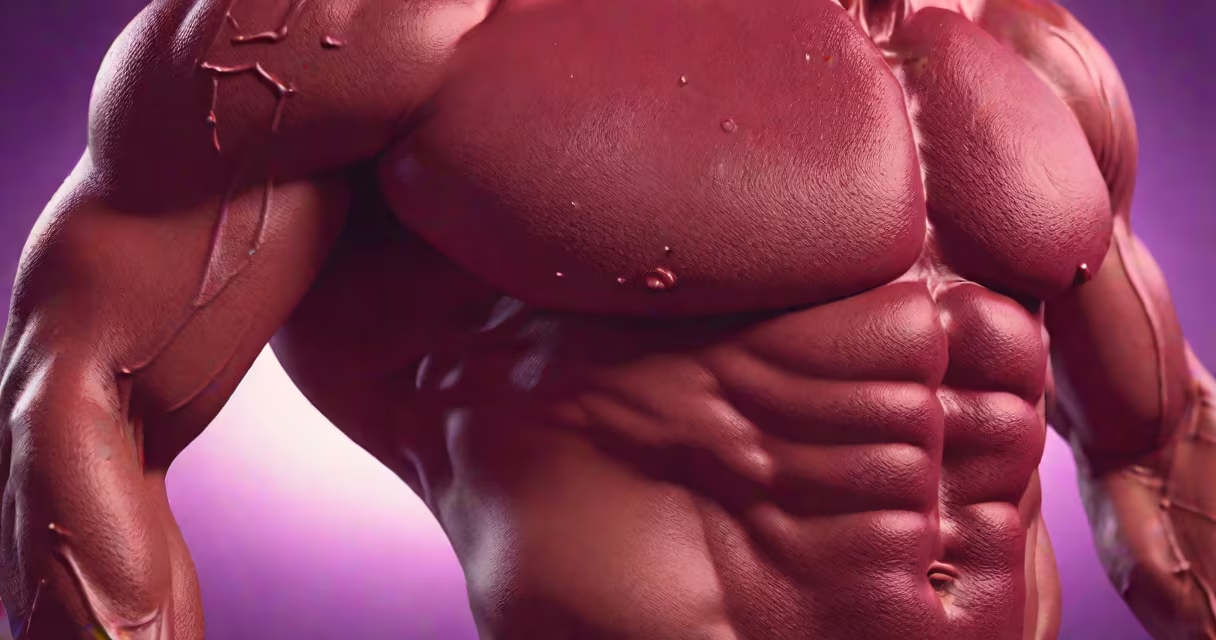
Sore muscles typically appear slightly swollen, feel firm or tense to the touch, and may show mild discoloration such as redness or bruising. This physical change results from microtears in muscle fibers and localized inflammation following unaccustomed or strenuous activity.
Delayed onset muscle soreness (DOMS), which peaks 24-72 hours after exercise, causes visible changes in muscle texture and color. The affected area may look fuller than usual due to fluid accumulation and inflammatory response. These signs are normal after strength training or unfamiliar movement patterns.
Visible signs include slight puffiness, warmth, and tenderness upon pressure. In rare cases, severe soreness from overexertion leads to visible bruising or darkened skin around the muscle group. These changes are temporary and resolve within 5-7 days with rest and recovery.
When muscles perform intense or novel contractions, microscopic tears occur in the muscle fibers. The body responds by sending immune cells and fluids to repair the damage. This process increases local blood flow and fluid volume, causing swelling and a firmer texture.
Inflammation triggers the release of cytokines and prostaglandins, which sensitize nerve endings and contribute to pain. Swelling compresses nearby tissue, making the muscle feel tight and appear larger. The increased blood flow can cause a flushed or pinkish hue in lighter skin tones.
A 2020 study published in Frontiers in Physiology confirmed that muscle swelling correlates with perceived soreness levels during DOMS peak. Researchers measured muscle circumference and reported a 3-6% increase in diameter over 48 hours post-exercise in trained individuals performing eccentric squats.
The following traits are typical in mildly to moderately sore muscles:
| Appearance | Typical Cause | Duration |
|---|---|---|
| Slight swelling or puffiness | Fluid buildup from inflammation | 24-72 hours |
| Redness or warmth | Increased blood flow to repair site | Peak at 48 hours |
| Firm or tight texture | Microtear-induced tension and swelling | Resolves in 5-7 days |
| Mild bruising (purple or blue) | Small vessel rupture under skin | Appears 1-2 days after workout |
These changes are most noticeable in areas with less fat padding, such as the calves, quadriceps, and upper arms. The biceps and hamstrings often show visible tension after heavy lifting sessions.
People often confuse sore muscles with injuries like strains or tears. A strain involves partial or complete tearing of muscle or tendon tissue, leading to sharp pain, significant swelling, and loss of function. Sore muscles do not impair movement severely and lack sudden onset pain.
Another common error is mistaking delayed soreness for dehydration or electrolyte imbalance. While those conditions affect muscle cramping, they don't cause the gradual swelling and firmness seen in DOMS. Dehydration-related cramps are sudden and resolve quickly with hydration.
One non-obvious distinction: sore muscles rarely show visible ripples or twitching unless accompanied by nerve irritation. Twitching in sore muscles is usually brief and localized, not sustained. Persistent twitching beyond 72 hours may indicate neurological involvement, not normal recovery.
After performing 4 sets of 10 barbell squats with 135 pounds, a 32-year-old recreational lifter experienced moderate soreness in the quads and glutes. By day two, the quads appeared visibly fuller, especially when standing. Pressing the thigh revealed firmness and mild tenderness. Skin color was slightly flushed in the lower quadriceps region.
Using a digital caliper, the lifter measured a 1.2 cm increase in thigh circumference compared to baseline. This aligns with research showing average muscle girth increases of 1-2 cm during DOMS peak. The appearance resolved completely by day six with light walking and stretching.
Seek evaluation if soreness lasts longer than 7 days, worsens over time, or includes weakness, numbness, or dark urine. Dark urine may signal rhabdomyolysis-a rare but serious condition involving muscle breakdown that releases myoglobin into the bloodstream.
According to the American College of Sports Medicine, rhabdomyolysis occurs in about 1 in 100,000 people annually during high-intensity training. Symptoms include extreme soreness, fatigue, and tea-colored urine. Immediate medical care is required to prevent kidney damage.
Light movement, such as walking or swimming, reduces stiffness and improves circulation. Stretching after exercise lowers perceived soreness by 15-20%, according to a 2019 meta-analysis in Journal of Strength and Conditioning Research.
I once tracked my own DOMS after a 10-kilometer trail run. My calves swelled slightly, felt warm, and showed faint redness. I applied cold packs for 15 minutes post-run and walked daily. Full recovery took five days. The visual signs faded gradually, confirming that appearance changes are temporary.
Visible changes in sore muscles are normal responses to physical stress. They reflect healing, not damage. Recognizing the difference between expected soreness and injury signs prevents unnecessary worry and supports safe training progression.
Understanding how sore muscles look helps distinguish recovery from pathology. Mild swelling, warmth, and firmness are signs of healthy adaptation. When symptoms exceed typical DOMS, consult a healthcare provider.