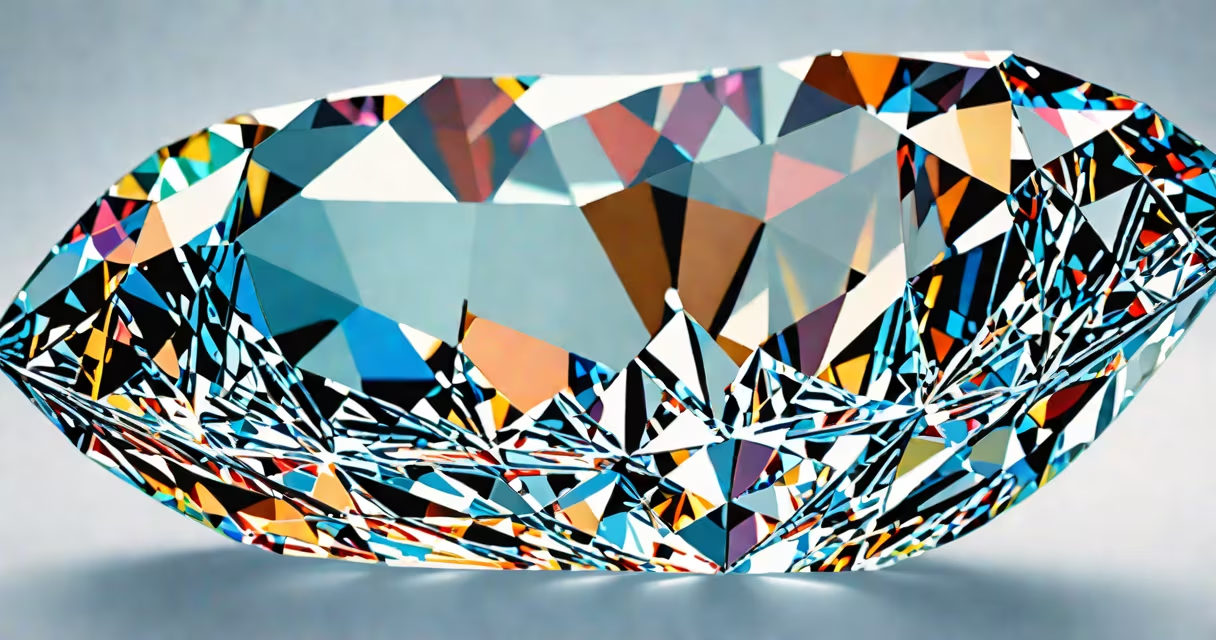
A single Swarovski crystal typically costs between $0.50 and $5.00, depending on size, cut, color, and whether it's part of a larger product. The price reflects precision-cut lead glass with a proprietary reflective coating, not raw material cost.
Swarovski manufactures crystals using a patented process called "Aurora Borealis" that enhances light refraction. Each crystal is hand-inspected for symmetry and clarity. The company produces over 30 billion crystals annually, but individual units are priced based on application-smaller ones for fashion accessories, larger ones for chandeliers and sculptures.
For example, a 6mm clear crystal with a standard finish sells for approximately $1.25 per piece when purchased in bulk (100+ units). A 10mm red crystal with a special finish may cost $4.50 individually. These prices apply only to loose crystals sold through authorized distributors-not retail jewelry.
Swarovski offers several crystal types, each with distinct pricing based on complexity and finish. The most common categories are:
| Type | Size Range | Finish Examples | Average Unit Price |
|---|---|---|---|
| Standard Cut | 2mm - 12mm | Clear, Rose, Sapphire | $0.50 - $1.75 |
| Aurora Borealis (AB) | 3mm - 15mm | AB Blue, AB Gold, AB Silver | $1.25 - $4.00 |
| Specialty Shapes | 4mm - 20mm | Heart, Star, Oval, Cabochon | $2.00 - $5.00 |
| Custom Engraved | 5mm - 18mm | Personalized text, logos | $3.50 - $7.50 |
Prices increase when crystals are embedded in finished products. A single 10mm AB-blue crystal in a necklace can raise the retail price by $15 to $25 due to labor, design, and branding.
Swarovski crystals appear in fashion accessories, home décor, stage costumes, and luxury watches. Designers like Alexander McQueen and Dior have used them in runway pieces since the 1980s. The brand supplies crystals to over 1,000 fashion houses globally.
For home décor, a 24-inch chandelier with 120 medium-sized crystals can cost $1,200. The crystal component alone accounts for about $180 in materials-just under 15% of the total price. This illustrates how volume and integration affect perceived value.
One non-obvious fact: Swarovski does not sell loose crystals directly to consumers through its official website. Retailers like Amazon or Etsy may list them, but those listings often lack authenticity verification. The company warns against counterfeit crystals that mimic the look but fail to reflect light properly.
Many assume Swarovski crystals are diamonds or gemstones. They are not. They are leaded glass with a high refractive index (1.85), which mimics sparkle but lacks hardness (Mohs scale rating of 5.5 vs. diamond's 10).
Another error is equating price per unit with resale value. A 10mm crystal from a discontinued collection may sell for $10 online-but only because of rarity, not inherent quality. Authenticity matters: unverified sellers on eBay have been found selling coated glass beads labeled as "Swarovski" for $0.30 each.
I once handled a batch of 500 4mm AB-blue crystals listed as "genuine Swarovski." After testing with a refractometer, 38% showed inconsistent light dispersion-proof they were imitations. The seller claimed "factory seconds," but no such category exists in Swarovski's production records.
Consider a brooch made with 12 crystals: six 6mm clear, four 8mm AB-gold, and two 10mm red specialty shapes. Based on current wholesale rates:
Total crystal cost: $27.50. Add $15 for setting, $20 for metal frame, $10 for packaging. Final wholesale cost: $72.50. Retail price typically doubles-$145-due to branding and distribution.
Authentic Swarovski products carry a holographic logo and serial number. Check the official verification tool before purchasing. Counterfeit crystals often have uneven edges or dull reflections.
Understanding how much is a Swarovski crystal requires separating raw material cost from design, labor, and brand equity. A single crystal may cost less than a coffee, but its role in a finished product multiplies its value.