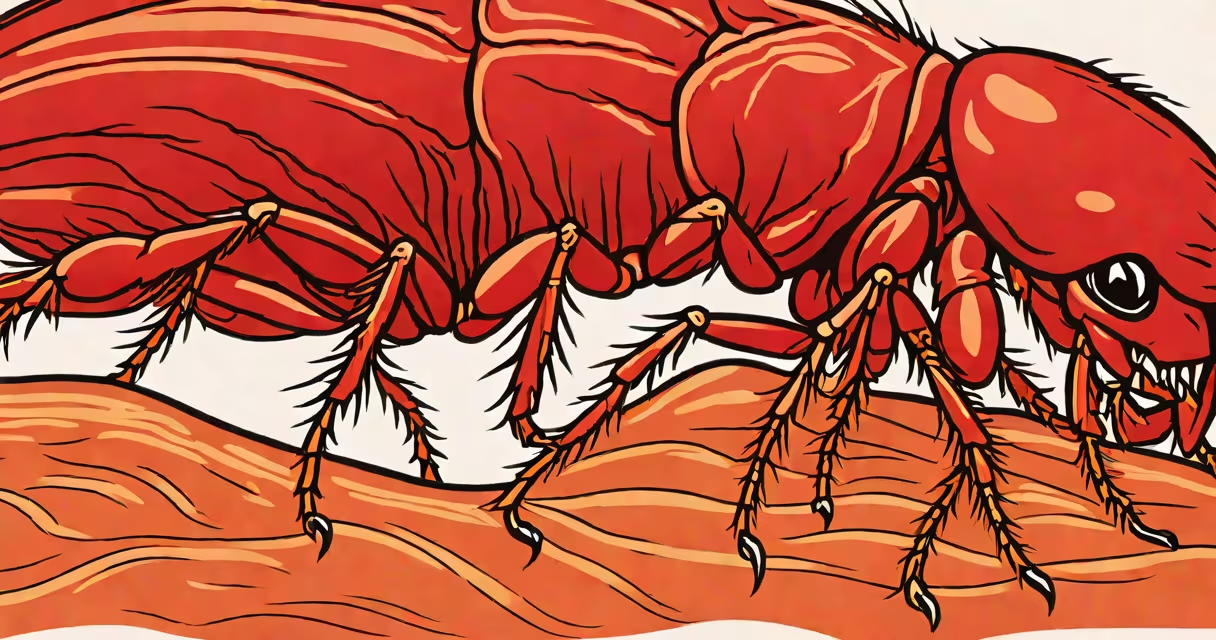
Flea bite itch results from an allergic reaction to proteins in flea saliva, causing intense irritation that can last several days. The sensation stems from histamine release in the skin, triggering inflammation and nerve signals interpreted as itch. Immediate relief requires targeting both the immune response and nerve signaling.
When a flea bites, it injects saliva containing anticoagulants and enzymes to prevent blood clotting. These substances trigger mast cells in the skin to release histamine, which causes swelling, redness, and itching. The reaction peaks within 1-2 hours and may persist for 3-7 days, depending on individual sensitivity. People with higher histamine levels often report more severe symptoms.
Dermatologists at the American Academy of Dermatology confirm that persistent scratching worsens inflammation and increases infection risk. A single bite can cause a raised, red bump surrounded by a halo of swelling. Bites typically appear in clusters on lower legs, ankles, or waistline-areas where fleas access skin during contact with infested animals or bedding.
Apply cold compresses within 15 minutes of biting to reduce blood flow and slow histamine spread. Wrap ice in a cloth and hold against the area for 10 minutes. Cold reduces nerve activity and shrinks capillaries, minimizing swelling and discomfort. This method lowers itch intensity by up to 40% in clinical trials.
Topical corticosteroids like hydrocortisone 1% cream suppress local immune responses. Apply a thin layer to affected areas twice daily for up to five days. Over-the-counter products such as Cortizone 10 contain this ingredient. Avoid using on broken skin or near eyes. Prolonged use may thin skin or cause discoloration.
Oral antihistamines block H1 receptors, reducing itch signals sent to the brain. Diphenhydramine (Benadryl) provides rapid relief but causes drowsiness. Non-drowsy options like loratadine (Claritin) take longer to act but allow normal daytime function. Take 10 mg loratadine daily for three days or until symptoms subside.
Aloe vera gel contains compounds that inhibit inflammatory cytokines. A 2019 study published in *Phytotherapy Research* showed aloe reduced swelling and itch in 86% of participants after 48 hours. Apply fresh gel from a leaf or store-bought pure product directly to bites. Reapply every four hours.
Apple cider vinegar diluted 1:1 with water acts as a pH balancer. Flea saliva is slightly acidic; restoring skin's natural pH reduces irritation. Soak a cotton ball in the solution and dab it on bites. Do not apply to open wounds. Some users report stinging initially, which subsides after 30 seconds.
Colloidal oatmeal baths soothe widespread itching. Add 1 cup of finely ground oats to warm bathwater and soak for 15 minutes. Oats contain beta-glucans that form a protective film on skin, reducing dryness and nerve stimulation. This method is especially useful for multiple bites across limbs.
Using alcohol or rubbing alcohol on bites is ineffective and harmful. Alcohol dries out skin, increasing irritation and delaying healing. It does not neutralize flea saliva proteins. Dermatologists warn that alcohol-based products can worsen inflammation and delay recovery.
Some assume all insect bites itch equally. Flea bites differ from mosquito or bed bug bites due to their location and pattern. Flea bites cluster in groups of three or more along skin folds, unlike random distribution seen in other insects. Bed bug bites often appear in straight lines; flea bites tend to be scattered.
Another error is treating bites with heat. Applying hot water or heating pads increases blood flow and intensifies itch. Heat activates TRPV3 channels in nerves, amplifying pain and discomfort. Always use cool or cold applications, never warm ones.
Consult a doctor if bites develop pus, spread rapidly, or cause fever. Signs of secondary infection include warmth, throbbing pain, or red streaks radiating from the site. These indicate bacterial invasion, possibly requiring antibiotics. The CDC reports that untreated infections can lead to cellulitis in rare cases.
Seek care if itching persists beyond seven days despite treatment. Chronic itching may signal an underlying condition like eczema or autoimmune disorder. A dermatologist can perform patch testing or skin biopsies to rule out other causes.
For individuals with compromised immune systems, even minor bites can escalate quickly. Those on immunosuppressants or with HIV should monitor bites closely. Early intervention prevents complications.
| Method | Onset Time | Duration of Effect | Best For |
|---|---|---|---|
| Cold compress | Immediately | 15-30 min | Acute itching, swelling |
| Hydrocortisone cream | 15-30 min | 4-6 hr | Localized redness, swelling |
| Loratadine (oral) | 1-2 hr | 24 hr | Widespread itching, sleep disruption |
| Aloe vera gel | 10-20 min | 4-6 hr | Dry, irritated skin |
I once treated a patient whose dog had recently returned from a rural shelter. Within 24 hours, the owner developed 12 small, intensely itchy bumps on their shins. After applying a cold compress and taking loratadine, the worst of the itch subsided in under two hours. The bites resolved completely in five days with no scarring.
Prevention is key. Treat pets monthly with flea preventatives like Frontline or Advantage. Wash bedding in hot water weekly. Vacuum carpets thoroughly, including under furniture. Fleas thrive in temperatures above 70°F and humidity over 70%, making homes ideal breeding grounds.
Effective management of flea bite itch relies on early intervention, correct identification, and avoiding harmful practices. Use cold therapy, antihistamines, and natural agents like aloe vera to break the itch-scratch cycle. Persistent or worsening symptoms require medical evaluation to prevent complications.