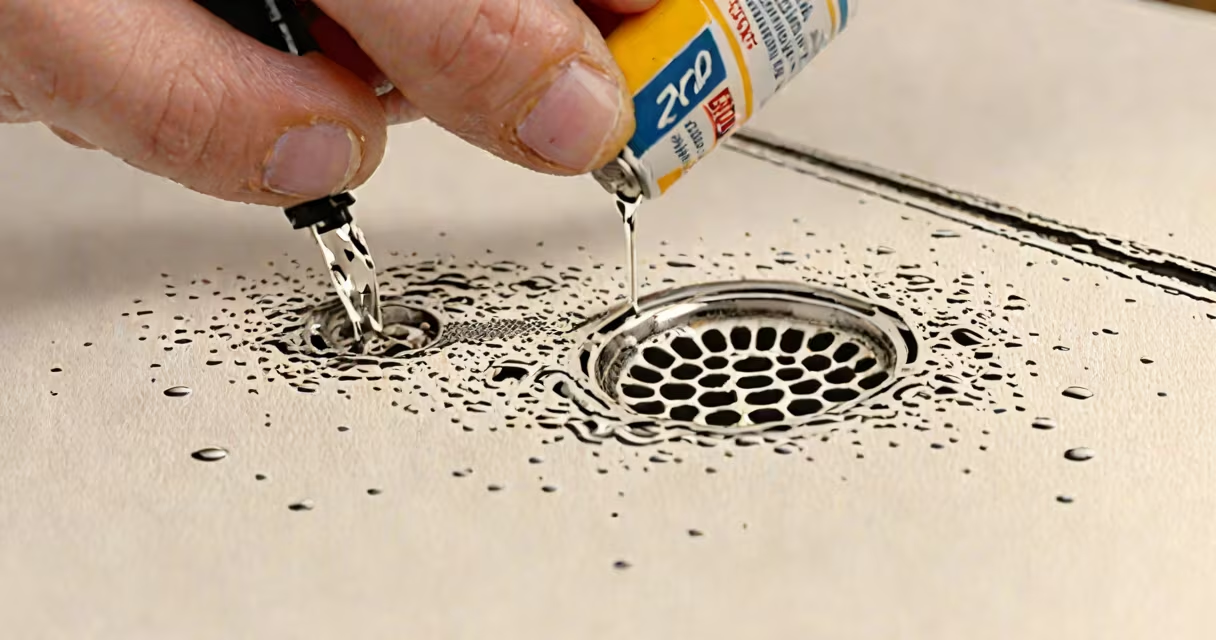
Shower drain odor results from trapped organic matter decomposing in the drain's P-trap or pipe network, producing hydrogen sulfide gas and other smelly compounds. The smell often returns unless both debris and microbial growth are removed.
Drains accumulate hair, soap scum, skin cells, and shampoo residue. When water flows through, these materials form a gel-like biofilm that traps moisture and becomes a breeding ground for anaerobic bacteria. These microbes break down organics and release sulfur-based gases-commonly described as rotten egg smell-especially when the drain hasn't been used for days.
Regular cleaning prevents buildup. A single treatment with vinegar and baking soda removes surface grime and disrupts microbial colonies. For persistent odors, disassembling the drain trap or using a drain snake may be required. Always follow up with flushing with hot water to clear loosened particles.
Shower drains rely on a U-shaped pipe called a P-trap to hold water and block sewer gases. When water evaporates or gets siphoned out, air enters the system and allows foul-smelling gases to rise. But the odor usually comes from decomposition inside the pipe, not from the sewer itself.
Bacteria thrive in dark, moist environments. Hair and soap scum provide nutrients. As they decay, they produce volatile sulfur compounds (VSCs)-the primary cause of the "rotten egg" smell. These compounds are detectable at concentrations as low as 0.0005 parts per million.
According to the Environmental Protection Agency (EPA), poor drainage and stagnant water increase bacterial activity in household plumbing. A study published in Applied and Environmental Microbiology found that biofilms in household drains contain over 100 different bacterial species, many of which generate offensive odors under low-oxygen conditions.
The most effective method combines mechanical removal, chemical neutralization, and biological disruption. Start by removing visible debris from the drain cover or strainer. Use tweezers or a bent wire to pull out hair and gunk. This step reduces the substrate available for bacterial growth.
Next, pour 1/2 cup of baking soda directly into the drain. Follow with 1 cup of white vinegar. The reaction produces carbon dioxide bubbles that lift grease and loosen debris. Let the mixture sit for 30 minutes. Then flush with boiling water to carry away dissolved material.
For stubborn odors, repeat the process twice weekly for two weeks. After that, maintain monthly treatments. Avoid pouring grease, coffee grounds, or large food particles down the drain-even if it's a kitchen sink, the principle applies to all plumbing systems.
Commercial drain cleaners fall into three categories: enzymatic, chemical, and mechanical. Enzymatic cleaners use live bacteria to digest organic waste. They're safe for pipes and septic systems but take several days to work. Chemical cleaners rely on lye or bleach to dissolve clogs. They can damage PVC pipes and corrode metal fixtures over time.
Mechanical tools like drain snakes or plungers physically remove blockages. A plumber's snake can reach deep into the P-trap and dislodge hardened sludge. However, improper use can scratch or puncture pipes.
| Method | Effectiveness | Risk Level | Best For |
|---|---|---|---|
| Baking soda + vinegar | High (for mild buildup) | Low | Monthly maintenance |
| Enzymatic cleaners | Medium (slow action) | Very low | Preventing recurrence |
| Chemical cleaners | High (immediate) | High | Emergency clogs (rare use) |
| Plunger or snake | Very high (physical removal) | Medium (pipe damage risk) | Severe blockages |
Never mix bleach with ammonia or acidic cleaners. The combination creates toxic chlorine gas. The Centers for Disease Control and Prevention (CDC) warns against mixing household chemicals due to the risk of acute respiratory exposure.
Many people assume that running hot water alone clears odors. Hot water dissolves grease temporarily but doesn't eliminate biofilm. It can even spread bacteria deeper into the pipe system.
Another mistake is using excessive amounts of vinegar or baking soda. Overuse can erode pipe linings over time. The American Society of Plumbing Engineers (ASPE) recommends no more than 1 cup of vinegar and 1/2 cup of baking soda per treatment.
I once cleaned a shower drain in a rental apartment where the smell persisted despite multiple vinegar treatments. The issue was a clogged P-trap hidden behind a wall-mounted drain cover. Once I removed the cover and cleared the trap manually, the odor vanished. The tenant had been using commercial cleaners that masked the smell without addressing the root cause.
If odor persists after three rounds of baking soda and vinegar, or if water backs up during showers, the problem likely lies beyond the accessible drain. A blocked vent pipe or collapsed sewer line may require inspection by a licensed plumber.
Signs of deeper issues include slow drainage, gurgling sounds, or sewage backups. The National Association of Sewer Service Companies (NASSCO) reports that 60% of sewer line failures occur in homes over 20 years old. Regular video inspections can catch problems early.
For ongoing maintenance, consider installing a drain screen with a fine mesh. These prevent hair and debris from entering the pipe. Replace them every six months or when clogged.
Eliminating shower drain odor requires consistent effort. Focus on removing physical debris first, then disrupt microbial growth with natural cleaners. Avoid harsh chemicals unless absolutely necessary. With regular care, the drain stays clear and odor-free.