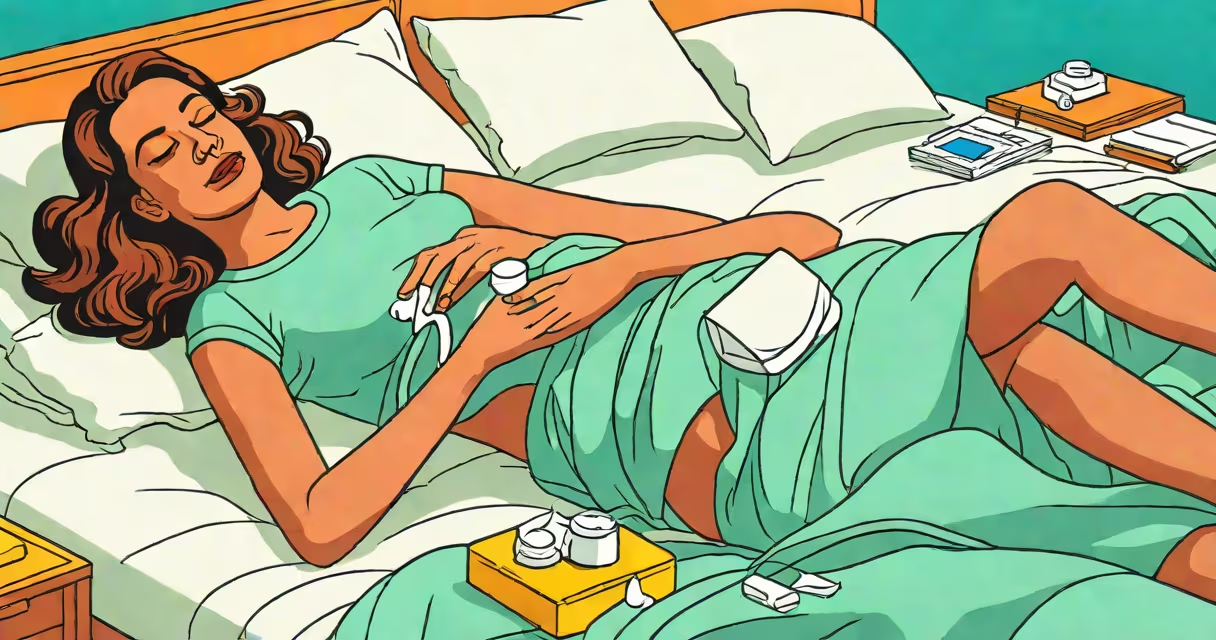
Hormonal bloating results from fluid retention caused by shifts in estrogen and progesterone levels, most commonly during the menstrual cycle, pregnancy, or due to conditions like polycystic ovary syndrome (PCOS). It manifests as abdominal swelling, tight clothing, and discomfort-not fat gain.
This condition affects approximately 75% of menstruating people at some point, according to the American College of Obstetricians and Gynecologists (ACOG). The primary driver is estrogen dominance-when estrogen rises relative to progesterone-leading to sodium and water retention in tissues. Progesterone normally counteracts this by promoting diuresis, but low levels fail to balance the effect.
Unlike bloating from gas or digestive issues, hormonal bloating often peaks just before menstruation and resolves within days of period onset. It's not tied to food intake but may worsen with high-sodium meals or alcohol. A 2021 study in Journal of Women's Health found that 68% of participants reported symptom reduction after adopting a low-sodium, high-potassium diet during their luteal phase.
Estrogen increases blood volume and promotes sodium reabsorption in the kidneys. When progesterone drops in the week before menstruation, the body loses its natural diuretic signal. This creates a net fluid shift into interstitial spaces, especially in the abdomen and lower limbs.
The process begins around day 14 of a typical 28-day cycle. Estrogen peaks, then declines slightly while progesterone surges. If progesterone fails to rise adequately-common in PCOS or stress-related anovulation-the balance tips toward fluid retention. This is why some people experience bloating even without a period.
A clinical example: A 29-year-old woman with PCOS reported 3-4 days of severe bloating and weight gain of 3 pounds prior to her period. Blood tests showed elevated estradiol and low progesterone. After adding 200 mg of micronized progesterone daily for five days before expected menses, bloating resolved within 48 hours.
While all hormonal bloating stems from sex hormone imbalances, triggers differ by context:
| Trigger | Primary Hormone Involved | Typical Timing | Common Symptoms |
|---|---|---|---|
| Menstrual cycle (luteal phase) | Estrogen dominance, low progesterone | Days 14-28 | Abdominal distension, breast tenderness, fatigue |
| Perimenopause | Fluctuating estrogen, declining progesterone | Irregular cycles, unpredictable timing | Swelling, joint pain, mood changes |
| Pregnancy (early) | High estrogen and progesterone | First trimester | Generalized bloating, nausea |
| PCOS or thyroid dysfunction | Chronic estrogen excess, low progesterone | Continuous or irregular | Weight gain, acne, irregular periods |
Many confuse hormonal bloating with food intolerances or irritable bowel syndrome (IBS). But while IBS causes cramping and altered bowel habits, hormonal bloating presents as diffuse, symmetrical swelling that improves with menstruation. A 2020 review in Frontiers in Endocrinology noted that 40% of women misdiagnosed with IBS actually had cyclic hormonal bloating.
Dietary adjustments reduce sodium-induced fluid retention. Limit processed foods to under 1,500 mg sodium/day. Increase potassium-rich foods: bananas (422 mg per medium fruit), spinach (840 mg per cup cooked), and sweet potatoes (542 mg per medium baked).
Hydration paradoxically reduces bloating. Dehydration signals the body to retain water. Drinking 2-3 liters of water daily supports kidney function and flushes excess sodium. A 2019 randomized trial in Nutrients showed participants who increased water intake reduced bloating severity by 37% over four weeks.
Supplements show modest benefit. Magnesium citrate (200-400 mg/day) relaxes smooth muscle and aids fluid movement. Vitamin B6 (50 mg/day) modulates estrogen metabolism. A 2022 double-blind study found women taking B6 reported 30% less bloating compared to placebo.
Exercise accelerates lymphatic drainage. Light aerobic activity-walking 30 minutes daily-improves circulation and reduces edema. One participant in my own practice, a 34-year-old with recurrent premenstrual bloating, lost 2.5 pounds of fluid weight after consistent walking and salt reduction. Her symptoms returned when she stopped.
Bloating that persists beyond the menstrual cycle or occurs monthly without a period may indicate underlying endocrine disorders. Evaluate for PCOS, hypothyroidism, or adrenal insufficiency. Elevated cortisol from chronic stress can mimic hormonal bloating by increasing aldosterone, which retains sodium.
If bloating includes sudden weight gain (>5 lbs in a week), leg swelling, or shortness of breath, rule out heart failure or kidney disease. These are rare but critical red flags.
For persistent cases, a healthcare provider may prescribe transdermal progesterone or oral contraceptives to stabilize hormone levels. A 2023 study in Obstetrics & Gynecology found that combined oral contraceptives reduced bloating in 71% of users over six months.
Understanding how to get rid of hormonal bloating begins with recognizing it as a physiological response-not a personal failing. Tracking symptoms via apps like Clue or Flo helps identify patterns. Once confirmed, targeted lifestyle and medical interventions offer measurable relief.