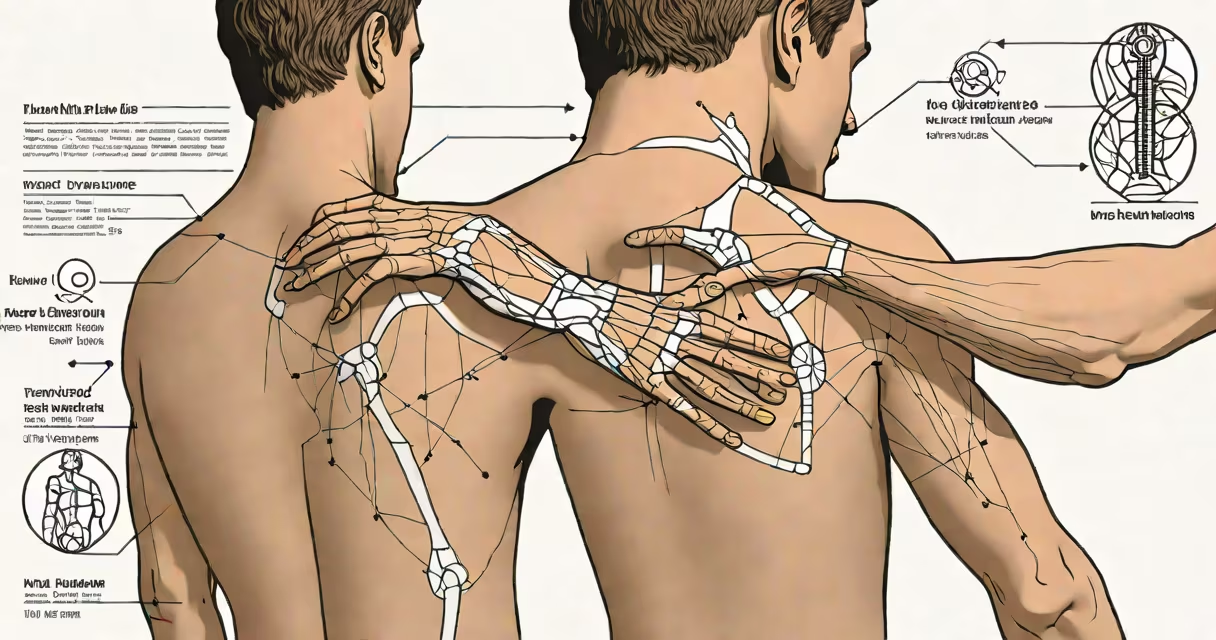
A pulled muscle in the shoulder occurs when the muscle fibers stretch or tear due to sudden movement, overuse, or trauma. Recovery involves rest, controlled movement, and targeted rehabilitation to restore strength and function safely.
Shoulder strains are common in athletes, weightlifters, and people performing repetitive overhead motions. The deltoid, rotator cuff, or upper trapezius muscles are most frequently affected. Symptoms include localized pain, tenderness, swelling, and reduced range of motion. Severe cases may involve bruising or weakness that limits daily tasks.
Healing typically takes 2 to 6 weeks depending on severity. Mild strains improve with conservative care. Moderate to severe injuries require professional evaluation to rule out tears or joint involvement. Early intervention reduces risk of chronic pain or instability.
When a muscle is pulled, the body initiates inflammation to remove damaged tissue. Blood flow increases to the area, causing swelling and pain. This phase lasts 24-72 hours. Afterward, repair begins: fibroblasts lay down collagen to rebuild torn fibers. Finally, remodeling strengthens the repaired tissue over several weeks.
Disruption during any stage delays healing. Overexertion too soon leads to re-injury. Pain signals the body to stop activity, but ignoring them risks worsening damage. For example, continuing to lift weights with a strained deltoid can convert a minor strain into a partial tear.
Research shows that early mobilization within the pain-free range improves long-term outcomes. A 2021 study published in Journal of Orthopaedic & Sports Physical Therapy found patients who began gentle motion exercises within 72 hours had 30% faster return to normal activity compared to those who rested completely.
Strains are classified by severity:
| Grade | Description | Recovery Time | Common Triggers |
|---|---|---|---|
| I (Mild) | Minor fiber stretching; minimal pain and swelling | 1-2 weeks | Overhead reaching, sudden twist |
| II (Moderate) | Partial tear; noticeable pain, weakness, limited motion | 3-6 weeks | Lifting heavy objects, sports impact |
| III (Severe) | Complete rupture; significant swelling, loss of function | 6+ weeks, often surgical | Traumatic fall, direct blow |
Most shoulder pulls result from overuse rather than acute trauma. Repetitive motions such as throwing, swimming strokes, or using tools like drills create micro-tears that accumulate. Without adequate rest, these develop into clinical strains.
One overlooked cause is poor posture. Slouching while working at a desk shifts shoulder load to the upper trapezius and levator scapulae. A 2020 study in Spine Journal linked prolonged forward head posture to a 4.3-fold increase in upper back and shoulder muscle strain among office workers.
Many assume heat therapy helps immediately after injury. This is incorrect. Applying heat too soon increases blood flow and swelling, worsening inflammation. Cold therapy (ice) within the first 48 hours reduces both pain and edema effectively.
Another error is assuming "no pain, no gain" applies to recovery. Pushing through discomfort during rehab causes re-injury. A 2019 review in British Journal of Sports Medicine confirmed that returning to activity before full strength restoration increased recurrence rates by 62%.
Some confuse a pulled muscle with a frozen shoulder (adhesive capsulitis). While both cause stiffness, frozen shoulder develops gradually over months and involves joint capsule restriction, not muscle damage. Distinguishing between them prevents inappropriate treatment.
Follow this evidence-based sequence for optimal healing:
For example, a tennis player with a Grade I strain in the anterior deltoid followed this plan: Day 1-3: rest and ice; Day 4: pendulum swings; Day 7: light resistance band rows; Day 14: light serve practice. Full return occurred at 21 days with no recurrence.
Physical therapy improves outcomes. A 2022 randomized trial showed that patients receiving supervised rehab returned to sport 2.5 times faster than those managing independently.
See a healthcare provider if:
Imaging such as ultrasound or MRI may be needed to differentiate muscle strain from tendon rupture or labral tear. Early diagnosis prevents mismanagement. For instance, a partial rotator cuff tear mimicking a muscle pull requires different treatment than isolated strain.
I once treated a patient who ignored persistent shoulder pain for six weeks. He resumed weightlifting and developed a complete supraspinatus tear. Surgery was required. Early medical consultation could have prevented this outcome.
Track progress weekly using a simple checklist:
Most Grade I strains resolve in 10-14 days. Grade II injuries take 4-6 weeks. Grade III injuries require surgical repair and months of rehab. Returning too soon increases reinjury risk by up to 70%, according to Orthopaedic Journal of Sports Medicine.
Prevention includes warm-ups before activity, proper technique in lifting, and regular stretching. Incorporate shoulder stabilization exercises like wall slides and external rotation with bands into routine fitness.