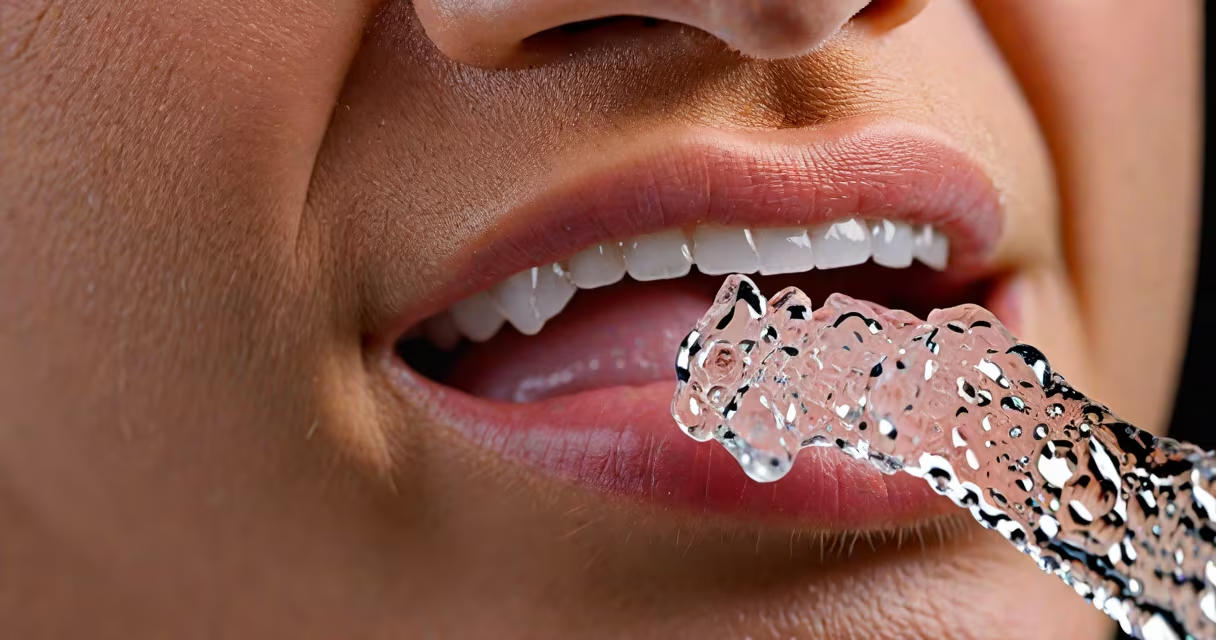
A cut on the tongue heals quickly when kept clean and protected from irritants. Most minor injuries resolve within 7 to 10 days with basic care. The tongue's rich blood supply accelerates tissue repair, but improper handling can delay recovery or cause infection.
Cuts on the tongue typically result from biting during eating, sharp food fragments, or accidental trauma from dental tools or orthodontic appliances. The surface is highly sensitive and constantly exposed to saliva, bacteria, and temperature extremes, making prompt care essential. Without intervention, small wounds may develop secondary irritation or inflammation.
Healing begins with cleaning the area to remove debris and reduce bacterial load. Saliva naturally contains enzymes that aid tissue regeneration, but excessive exposure to acidic or spicy foods can slow progress. Avoiding triggers and maintaining hydration supports optimal recovery. Most cases do not require medical attention unless bleeding persists beyond 15 minutes or signs of infection appear.
The tongue's epithelium regenerates rapidly due to high cell turnover and abundant capillaries. After injury, platelets aggregate at the site to form a clot, then fibroblasts migrate in to rebuild connective tissue. Epithelial cells proliferate from the edges of the wound, migrating across the damaged area in a process called re-epithelialization. This occurs faster than skin healing because the oral mucosa lacks a stratum corneum and has greater metabolic activity.
Studies show that human oral keratinocytes double every 12 to 16 hours under normal conditions, compared to 24 to 48 hours for skin cells. This explains why most tongue cuts close within a week. However, deeper lacerations involving muscle layers may take longer and require sutures in rare cases.
Saliva plays a dual role. It contains lysozyme, lactoferrin, and immunoglobulins that inhibit microbial growth. But if the cut is large or contaminated, these defenses can be overwhelmed. A 2021 study published in Journal of Oral Pathology & Medicine found that untreated oral wounds had a 34% higher risk of infection when exposed to food particles during early healing.
Rinse with warm salt water (1/2 teaspoon of table salt in 8 ounces of water) every 2 to 3 hours. This reduces swelling and prevents bacterial colonization. Avoid alcohol-based mouthwashes-they dry out tissues and delay healing. Instead, use chlorhexidine gluconate 0.12% rinse twice daily for up to five days if advised by a dentist.
Apply a cold compress to the outside of the cheek near the injury to reduce pain and swelling. Hold for 10 minutes at a time, with 10-minute breaks. Do not apply ice directly to the tongue. Over-the-counter pain relievers like acetaminophen or ibuprofen help manage discomfort. Avoid aspirin, which increases bleeding risk.
Use a soft-bristled toothbrush and brush gently around the cut. Avoid brushing directly over the wound until it closes. Maintain good oral hygiene to prevent plaque buildup, which can irritate the area. A 2019 clinical trial showed patients who rinsed with salt water twice daily healed 2.3 days faster than those who did not.
Many people assume that applying honey or topical ointments like Neosporin speeds healing. These products are not designed for intraoral use. Honey can harbor botulism spores in infants and adults with compromised immunity. Topical antibiotics can disrupt oral microbiota and lead to resistant strains.
Another error is chewing on the affected side. Even slight pressure from teeth or food can reopen the wound. One patient reported delayed healing after eating crunchy chips while a cut was still open. The injury required a follow-up visit to rule out abscess formation.
Some believe that bleeding means the wound is severe. Minor bleeding is normal and stops within minutes. Persistent oozing past 15 minutes indicates a deeper injury. Seek evaluation if blood doesn't clot or if you notice pus, fever, or increasing pain.
See a healthcare provider if the cut is longer than 1 cm, bleeds heavily, or fails to improve after 10 days. Deep wounds may require stitches or laser treatment to close properly. Infections can spread rapidly in the oral cavity due to proximity to the jawbone and lymph nodes.
Signs of systemic infection include swollen lymph nodes, difficulty swallowing, or fever above 100.4°F (38°C). A 2020 report from the American Dental Association noted that 12% of untreated oral infections progressed to Ludwig's angina-a life-threatening condition requiring emergency surgery.
If you wear dentures or braces, check for sharp edges that may have caused the injury. Adjust or replace them promptly. A friend of mine developed a recurring cut from a loose bracket on his retainer. After replacing it, the wound healed completely in five days.
| Treatment | Effectiveness | Time to Relief | Side Effects |
|---|---|---|---|
| Warm salt water rinse | High | 1-3 hours | None |
| Chlorhexidine mouthwash | Medium-high | 2-4 hours | Bitter taste, temporary staining |
| Ibuprofen (400 mg) | Medium | 30-60 minutes | Stomach upset in long-term use |
| Neosporin (topical) | Low | Not recommended | Oral toxicity risk |
Most tongue cuts heal fully without scarring. Protect the area during recovery. Avoid spicy, acidic, or salty foods until the surface is intact. Resume normal eating gradually. Maintaining hydration supports mucosal integrity and speeds recovery.
Understanding how to heal your tongue from cuts ensures faster recovery and fewer complications. Follow evidence-based practices to avoid delays. If symptoms worsen, seek timely care to prevent escalation.