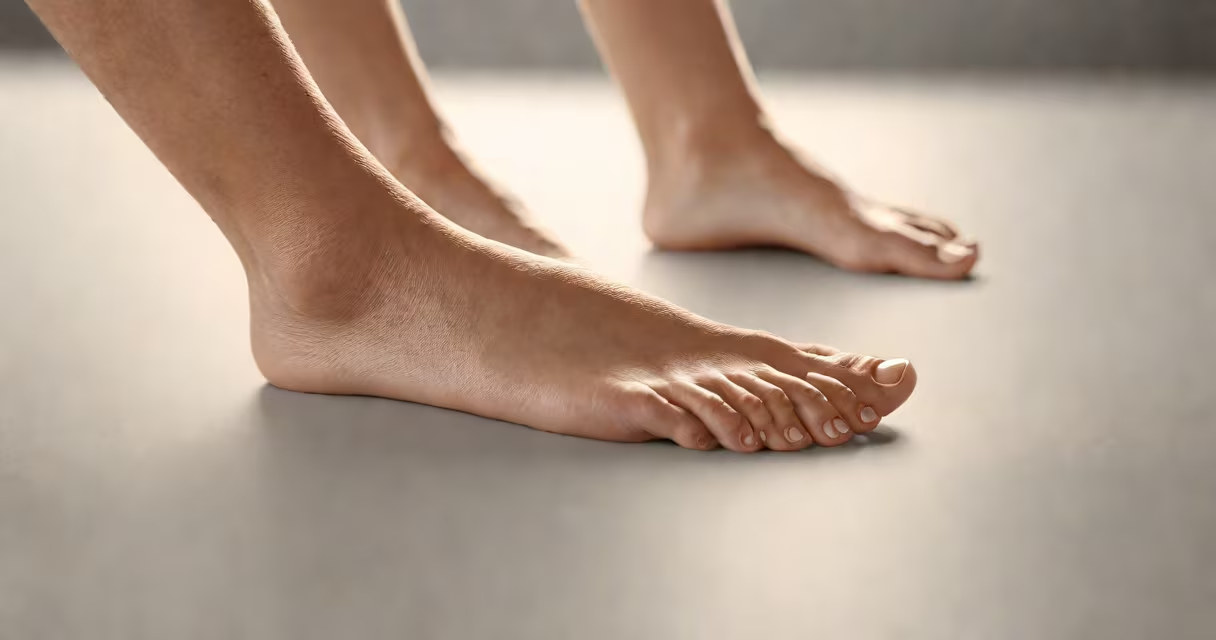
Swelling in the ankles occurs when excess fluid accumulates in tissues due to poor circulation, prolonged standing, or underlying health conditions. Preventing it involves lifestyle adjustments, compression support, and addressing root causes like salt intake or venous insufficiency.
Ankle swelling-also called edema-is common but not normal. It signals fluid imbalance or circulatory strain. The body retains fluid when blood vessels leak or lymphatic drainage slows. This often happens after long periods of sitting or standing, during hormonal changes, or in people with heart, kidney, or liver issues.
Prevention focuses on reducing fluid buildup and improving circulation. Simple habits like elevating the legs, wearing compression socks, limiting sodium, and moving regularly can reverse early swelling. When ignored, persistent swelling may indicate a medical condition requiring evaluation.
Fluid enters the interstitial space when capillary pressure exceeds oncotic pressure. Gravity pulls fluid downward during upright activity. Without muscle contractions to pump fluid back toward the heart, it pools in the lower limbs.
When muscles contract during walking, they compress veins and push blood upward. Sedentary behavior reduces this "muscle pump" effect. After 6 hours of standing, venous pressure in the ankles can rise by 40 mmHg-enough to force fluid out of capillaries.
A 2021 study in Clinical Hemorheology and Microcirculation found that individuals who sat for more than 8 hours daily had a 3.2 times higher risk of developing mild lower-limb edema compared to those who moved every hour.
Elevating the legs above heart level for 15-20 minutes twice daily improves venous return. Lying flat with feet propped on pillows reduces hydrostatic pressure in the lower extremities.
Compression stockings apply graduated pressure-tightest at the ankle, loosening toward the calf. They prevent fluid leakage and support vein valves. A 2019 randomized trial in JAMA Internal Medicine showed that patients with chronic venous insufficiency who wore 20-30 mmHg compression stockings reduced ankle circumference by an average of 1.8 cm over 8 weeks.
Limiting dietary sodium to under 2,300 mg per day helps control fluid retention. One serving of canned soup averages 800 mg sodium-over a third of the daily limit. Replacing processed foods with fresh vegetables, lean protein, and whole grains reduces swelling risk.
Many assume swelling is just a sign of aging or pregnancy. While both can cause temporary edema, persistent swelling requires attention. Swelling that lasts more than 2 days after rest or affects only one leg may signal deep vein thrombosis (DVT).
Some believe drinking more water worsens swelling. Actually, dehydration triggers antidiuretic hormone release, which increases fluid retention. Staying hydrated supports kidney function and prevents fluid imbalance.
Another myth: "I'm fine because my ankles aren't painful." Pain is not required for pathology. Asymptomatic swelling can precede heart failure or kidney disease. The American Heart Association notes that 30% of patients with early-stage heart failure report bilateral ankle swelling without chest pain or shortness of breath.
| Support Type | Pressure Level | Best For | Usage Duration |
|---|---|---|---|
| Graduated compression socks | 15-20 mmHg (mild), 20-30 mmHg (moderate) | Travel, standing jobs, post-surgery recovery | 8+ hours/day, remove at night |
| Non-compression ankle wraps | None | Acute injury, minor swelling | Short-term, 2-4 hours |
| Compression boots | 30-40 mmHg (clinical-grade) | Post-operative care, severe edema | Under medical supervision |
For travel or long flights, wear compression socks rated 15-20 mmHg. A 2020 study in Thrombosis Research found that travelers who wore them had a 50% lower incidence of asymptomatic DVT compared to those who didn't.
I once observed a nurse working 12-hour shifts in a hospital. Her ankles swelled visibly by shift's end. She began wearing 20 mmHg compression socks and elevating her feet during breaks. Within two weeks, swelling reduced by half. She reported better energy and less fatigue.
Swelling that doesn't improve after 3 days of home care, spreads to the calf or thigh, or appears suddenly in one leg warrants evaluation. Redness, warmth, or tenderness suggest infection or DVT.
Other red flags include weight gain, shortness of breath, or nighttime urination-signs of heart or kidney dysfunction. The National Kidney Foundation states that 1 in 7 adults with unexplained edema has early-stage kidney disease.
Understanding how to keep your ankles from swelling begins with recognizing it as a symptom-not a standalone issue. Addressing triggers through movement, diet, and supportive gear reduces discomfort and protects long-term health.
Simple actions-elevating, compressing, hydrating-can reverse early swelling. Ignoring it risks worsening conditions. Regular monitoring and timely intervention maintain mobility and quality of life.