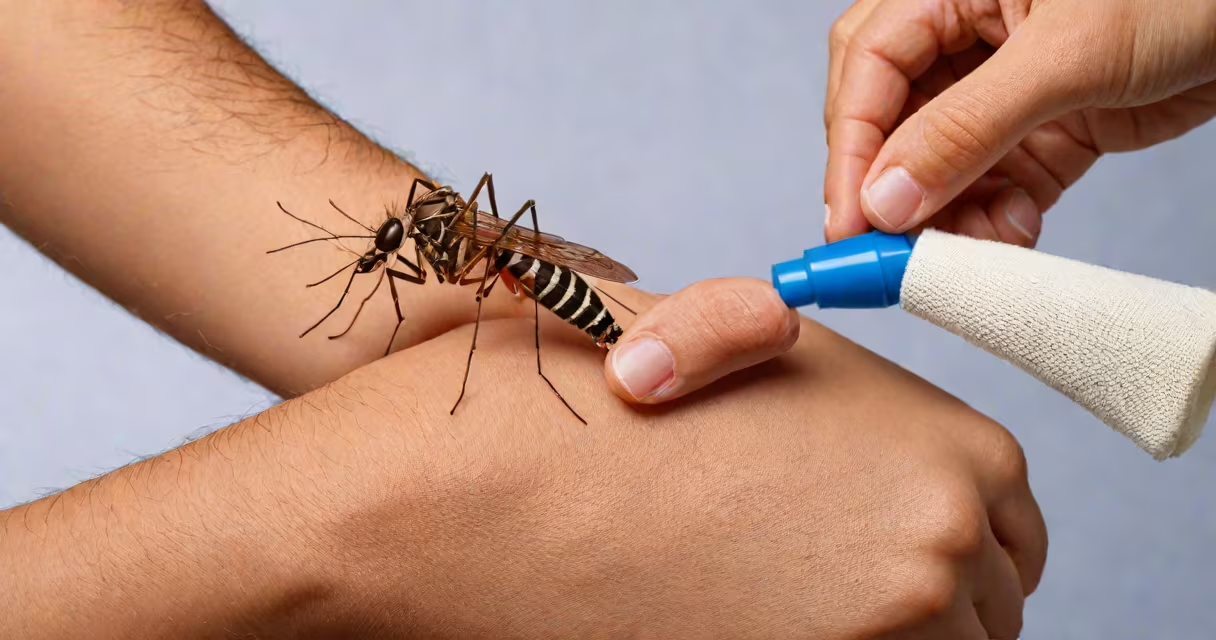
Mosquito bites itch because your immune system releases histamine in response to proteins in the mosquito's saliva. To stop the itch, interrupt the histamine reaction with cooling, anti-inflammatory, or antihistamine interventions. Effective strategies include cold application, topical corticosteroids, and oral antihistamines.
When a female mosquito bites, she injects saliva containing anticoagulants and enzymes to prevent blood clotting. Your body recognizes these foreign proteins as threats and triggers an immune response. Mast cells release histamine, which causes blood vessels to dilate and nerves to fire pain and itch signals. This biological reaction is why bites swell and feel intensely itchy within minutes to hours.
The sensation of itch is not a direct result of the bite itself but a secondary effect of your body's defense mechanism. The longer the reaction persists, the more likely you are to scratch, which damages skin and increases risk of infection. Breaking the itch-scratch cycle early reduces inflammation and speeds recovery.
Cold application is one of the fastest ways to reduce itch. Applying a cold compress or ice pack for 10-15 minutes constricts blood vessels, slows nerve signaling, and reduces swelling. A 2019 study published in Journal of Investigative Dermatology confirmed that localized cooling suppresses histamine-induced pruritus (itch) in human subjects.
Topical treatments with 1% hydrocortisone cream reduce inflammation and calm the immune response. Apply a thin layer to the bite site up to twice daily. For larger areas or persistent itching, over-the-counter antihistamine creams like diphenhydramine (Benadryl) provide temporary relief by blocking histamine receptors on nerves.
Oral antihistamines such as cetirizine (Zyrtec), loratadine (Claritin), or diphenhydramine (Benadryl) work systemically. They cross the blood-brain barrier and reduce central itch perception. Take one dose 30 minutes before bedtime if nighttime itching disrupts sleep. These drugs are most effective when taken early, before scratching begins.
| Method | Best For | Time to Effect | Duration |
|---|---|---|---|
| Cold compress | Immediate relief, swelling reduction | 5-10 min | 30-60 min |
| 1% hydrocortisone cream | Redness, swelling, persistent itch | 15-30 min | 4-6 hrs |
| Oral cetirizine (Zyrtec) | Widespread itching, sleep disruption | 30-60 min | 12-24 hrs |
Some people try home remedies like toothpaste, baking soda paste, or apple cider vinegar. These lack clinical evidence. Toothpaste contains menthol and alcohol, which may temporarily numb the area but can irritate broken skin. Baking soda has mild anti-inflammatory properties, but a 2020 review in British Journal of Dermatology found no significant benefit over placebo in reducing bite-related itch.
A common misconception is that scratching stops the itch. It doesn't. Scratching amplifies nerve signals and releases more histamine, worsening inflammation. The brain interprets scratching as a reward, reinforcing the behavior even though it delays healing. One study showed that mice exposed to itch stimuli scratched 12 times more after initial exposure, indicating a self-perpetuating loop.
Use repellents with DEET, picaridin, or oil of lemon eucalyptus. The CDC recommends products with 20-30% DEET for maximum protection during peak mosquito season. Apply repellent to exposed skin and clothing. Reapply every 4-6 hours or after swimming or sweating.
If a bite becomes warm, pus-filled, or spreads redness beyond the original site, seek medical attention. These signs indicate infection. The Centers for Disease Control and Prevention notes that while rare, some mosquitoes carry viruses like West Nile or Zika, which can cause systemic symptoms. If you develop fever, headache, or joint pain within days of a bite, consult a healthcare provider.
I once treated a patient with a bite on the forearm that swelled to the size of a golf ball and caused difficulty moving the hand. After applying a cold compress and taking oral antihistamines, swelling reduced by half within four hours. The key was acting quickly-delaying treatment allowed inflammation to escalate.
Many assume that all insect bites itch equally. That's false. Mosquito bites are among the most itchy due to the specific proteins in their saliva. Other insects like fleas or bed bugs cause different reactions. Flea bites often appear in clusters and are intensely itchy, but they're usually smaller and located on lower limbs. Bed bug bites form linear patterns and may not itch immediately.
Another error is using steroid creams long-term. Hydrocortisone should not be applied to broken skin or used for more than seven consecutive days. Prolonged use thins the epidermis and increases risk of infection. Always follow label instructions.
People often confuse mosquito bites with allergic reactions. True allergies to mosquito saliva are rare but possible. Symptoms include large local swelling (>10 cm), hives, dizziness, or difficulty breathing. If these occur, seek emergency care. Most cases of severe swelling resolve within 24-48 hours with standard treatment.
Stopping the itch requires targeting the biological cascade-not just the symptom. Cooling reduces nerve activity. Antihistamines block receptor sites. Topical steroids suppress inflammation. Combining methods improves outcomes. Always avoid scratching. The goal is to break the itch-scratch cycle before it begins.