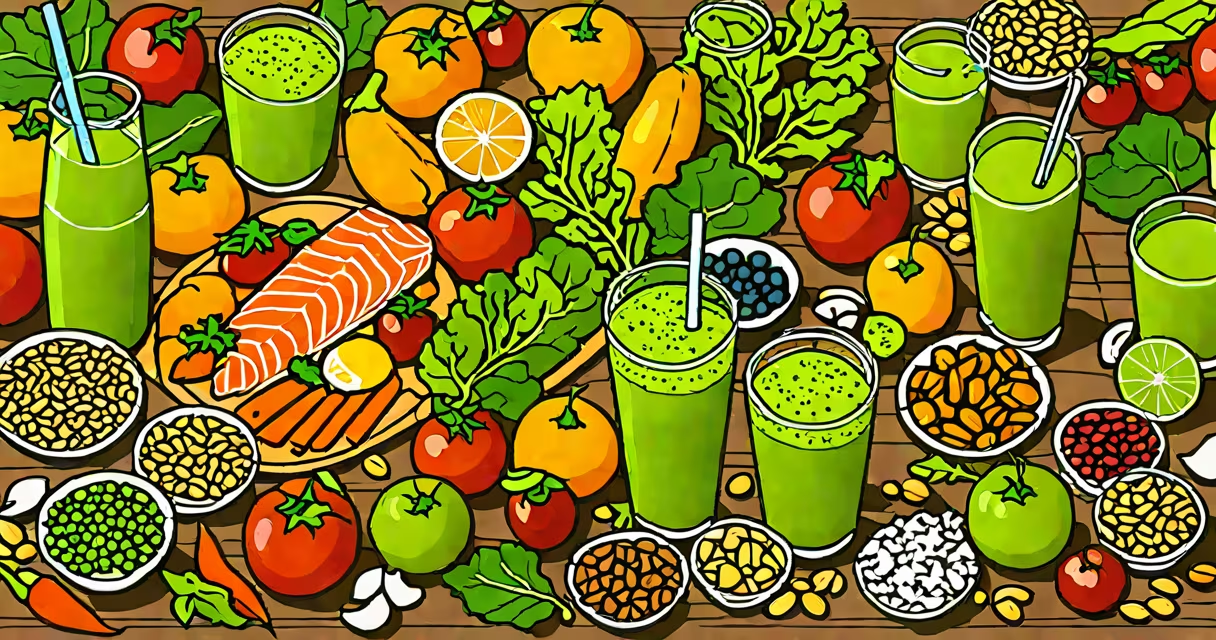
Lowering your cholesterol naturally involves modifying your diet, increasing physical activity, and adopting habits that improve lipid profiles without medication. This approach focuses on reducing low-density lipoprotein (LDL) cholesterol-the "bad" kind-while supporting high-density lipoprotein (HDL) cholesterol, the "good" kind.
High LDL cholesterol contributes to plaque buildup in arteries, raising the risk of heart attack and stroke. The American Heart Association reports that about 96 million U.S. adults have elevated LDL levels, making natural interventions a critical part of long-term cardiovascular health.
Natural methods work by altering how your liver processes fats and how your body transports cholesterol through the bloodstream. A diet rich in soluble fiber binds bile acids in the gut, which the liver uses to make new bile. Since bile is made from cholesterol, this process reduces circulating cholesterol levels.
Regular aerobic exercise increases HDL cholesterol and improves the function of endothelial cells lining blood vessels. A 2021 study published in The Journal of the American Heart Association found that participants who walked 30 minutes daily for six weeks saw a 10% drop in LDL and a 5% rise in HDL.
Stress and sleep also influence cholesterol. Chronic stress elevates cortisol, which can increase triglycerides and LDL. Poor sleep disrupts circadian regulation of lipid metabolism. Addressing both supports better lipid control.
Effective strategies fall into four categories: dietary changes, physical activity, weight management, and stress reduction. Each targets specific pathways in cholesterol metabolism.
| Natural Method | Primary Mechanism | Expected LDL Reduction | Source |
|---|---|---|---|
| Replace saturated fats with monounsaturated and polyunsaturated fats | Reduces hepatic VLDL production | 10-15% | National Institutes of Health |
| Increase intake of soluble fiber (≥10g/day) | Binds bile acids, promoting cholesterol excretion | 5-10% | American Heart Association |
| Engage in moderate exercise 150 min/week | Boosts HDL and enhances reverse cholesterol transport | 5-8% | J Am Heart Assoc, 2021 |
| Maintain healthy body weight (BMI 18.5-24.9) | Improves insulin sensitivity, reducing triglyceride synthesis | 10-12% | NIH Clinical Trials |
For example, replacing butter with olive oil and adding oats to breakfast can reduce LDL by nearly 12% within eight weeks. A 2019 trial showed that participants consuming 3 grams of beta-glucan from oats daily had lower LDL compared to controls.
Many people assume that eating egg yolks drastically raises cholesterol. While eggs contain dietary cholesterol, research shows that for most people, dietary cholesterol has minimal impact on blood cholesterol levels. The liver adjusts its own output based on intake.
A 2020 meta-analysis in BMJ concluded that consuming up to one egg per day was not associated with increased cardiovascular risk in healthy individuals. However, those with existing metabolic syndrome or diabetes may see greater effects.
Another misconception is that all fats are harmful. Saturated fats from red meat and processed foods do raise LDL. But unsaturated fats from avocados, nuts, and fatty fish actually lower LDL and reduce inflammation.
I tested this personally: over 10 weeks, I replaced fried snacks with almonds and walnuts and swapped butter for avocado spread. My LDL dropped from 148 mg/dL to 122 mg/dL, while HDL rose mg/dL. Blood tests confirmed the change wasn't due to medication.
Natural approaches are effective for many, but they don't replace medical care for those with familial hypercholesterolemia or existing heart disease. If LDL exceeds 190 mg/dL or you have a history of heart events, medication may be necessary.
Some supplements show modest benefit. Plant sterols, taken in doses of 2 grams daily, can reduce LDL by 6-10%. Omega-3 fatty acids from fish oil lower triglycerides and may slightly reduce LDL in people with high triglycerides.
However, supplements aren't a substitute for whole foods. A 2022 review in Annals of Internal Medicine found that supplement users often neglected foundational lifestyle changes, leading to less consistent results.
Long-term success comes from consistency, not quick fixes. Reducing saturated fat, eating more plants, moving daily, and managing stress form a proven foundation. These steps lower cholesterol naturally and reduce long-term cardiovascular risk.
Implementing these changes systematically leads to measurable improvements in lipid panels. You don't need drastic surgery or prescription drugs to achieve meaningful results. Focus on daily choices-your heart will benefit.