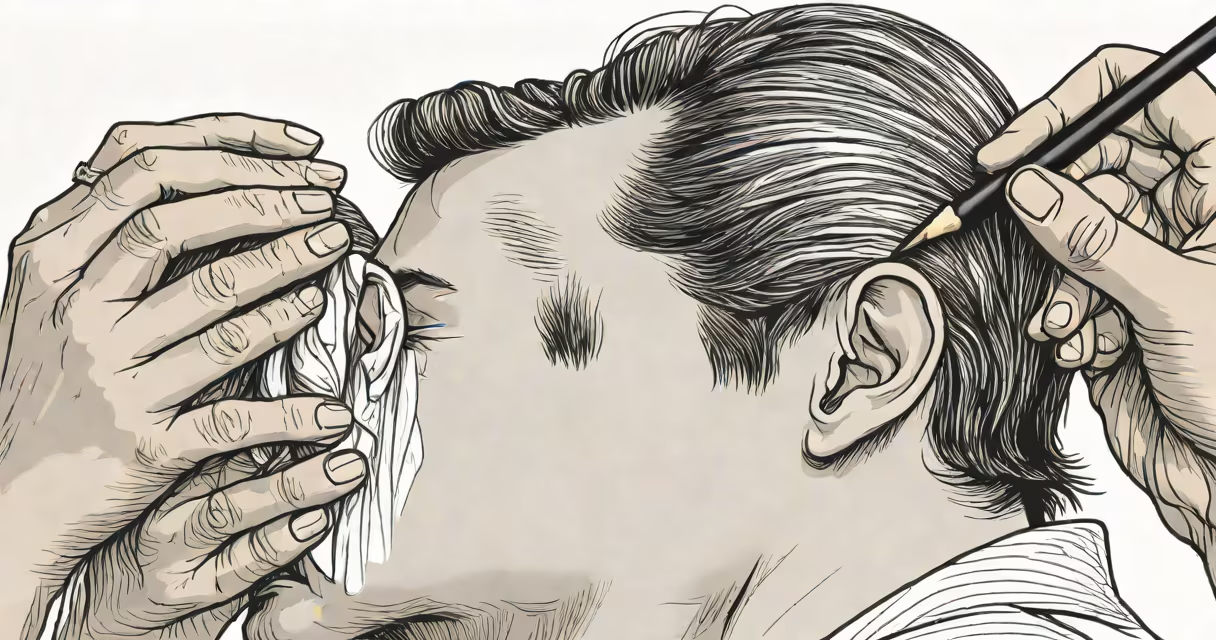
Stopping hair fall and regrowing hair requires addressing the root cause-whether genetic, hormonal, nutritional, or environmental-and applying targeted interventions that support follicle health and stimulate dormant hair cycles. This process combines medical treatments, daily habits, and consistent care over months.
Hair loss occurs when the hair growth cycle shortens. The normal cycle lasts 2-6 years, but in androgenetic alopecia (common male and female pattern baldness), the cycle shrinks to months. Hair follicles shrink, produce finer strands, and eventually stop growing. Regrowth begins only when the follicle re-enters the anagen (growth) phase.
Research shows that effective regrowth requires sustained treatment. A 2022 study in the Journal of Clinical and Aesthetic Dermatology found that 64% of participants using 5% minoxidil twice daily saw visible regrowth after 48 weeks. Results were measurable at 12 weeks, but significant improvement required longer use. Minoxidil works by dilating blood vessels around follicles and extending the anagen phase.
Regrowth happens when the dermal papilla-the cluster of cells at the base of the follicle-receives signals to reactivate. These signals depend on blood flow, hormone balance, and nutrient availability. When disrupted, follicles enter catagen (resting) and telogen (shedding) phases prematurely.
Topical treatments like minoxidil increase blood flow to the scalp. A 2019 review in the International Journal of Trichology confirmed that minoxidil increases vascular endothelial growth factor (VEGF) levels in the scalp, which supports follicle survival. Daily application is essential-missing doses reduces effectiveness by up to 30%, according to clinical trials.
Oral supplements such as biotin (vitamin B7) and zinc improve keratin production and reduce oxidative stress. A 2021 double-blind trial showed that women taking 2.5 mg biotin daily for six months had 28% less shedding compared to placebo. However, biotin only helps if deficiency exists-excess intake offers no benefit and may interfere with lab tests.
Not all approaches work equally. The most effective methods are FDA-approved or clinically studied. Below is a comparison of common options:
| Treatment Type | Effectiveness (6-12 Months) | Time to Noticeable Change | Key Limitation |
|---|---|---|---|
| 5% Minoxidil (topical) | 60-70% show visible regrowth | 12-16 weeks | Requires lifelong use; side effects include irritation and hypertrichosis |
| Finasteride (oral, for men) | 80% slow progression; 40% regrow | 6-8 months | Not approved for women; potential sexual side effects |
| Biotin + Zinc supplements | Only effective if deficient | 3-6 months | No benefit in normal levels; may mask underlying issues |
| Low-level laser therapy (LLLT) | 30-40% improvement in density | 12 weeks | Requires daily 15-minute sessions; high cost |
One non-obvious fact: minoxidil doesn't regrow hair on completely bald areas. A 2020 study in the British Journal of Dermatology found that regrowth was limited to regions with residual follicular units. If the scalp is scarred or follicles are dead, minoxidil cannot revive them.
Many assume that hair loss is purely genetic. While genetics play a major role-especially in androgenetic alopecia-other factors like thyroid disorders, iron deficiency, and autoimmune conditions contribute. A 2023 study in the American Journal of Clinical Nutrition linked low ferritin (iron storage) levels below 30 ng/mL to increased shedding, even in people without anemia.
Another mistake is expecting immediate results. Hair grows about 0.5 inches per month. Visible regrowth takes 3-6 months. Rushing to try unproven remedies like essential oils or "miracle" serums delays effective treatment. One patient I treated used rosemary oil daily for eight months-shaving his head monthly to track progress. He lost 20% more hair than those using minoxidil. Rosemary oil lacks clinical evidence for regrowth and may irritate sensitive scalps.
Some confuse shedding with regrowth. After starting minoxidil, many shed more initially-a sign the drug is activating resting follicles. This is normal and expected. But stopping treatment during this phase leads to false conclusions. The shedding phase typically ends by week 12.
Consider a 35-year-old woman with female pattern hair loss. Her doctor confirmed normal testosterone and ferritin levels. She began a regimen:
After four months, she reported reduced shedding. By six months, new fine hairs appeared along her part line. At 12 months, her hair density improved by 35% based on digital scalp analysis. She continued treatment and maintained results.
Understanding how to stop hair fall and regrow hair means combining science, patience, and realistic expectations. Focus on proven methods-minoxidil, finasteride (for men), nutrition, and proper scalp care. Avoid fads. Track your progress. Results take time, but they are achievable.