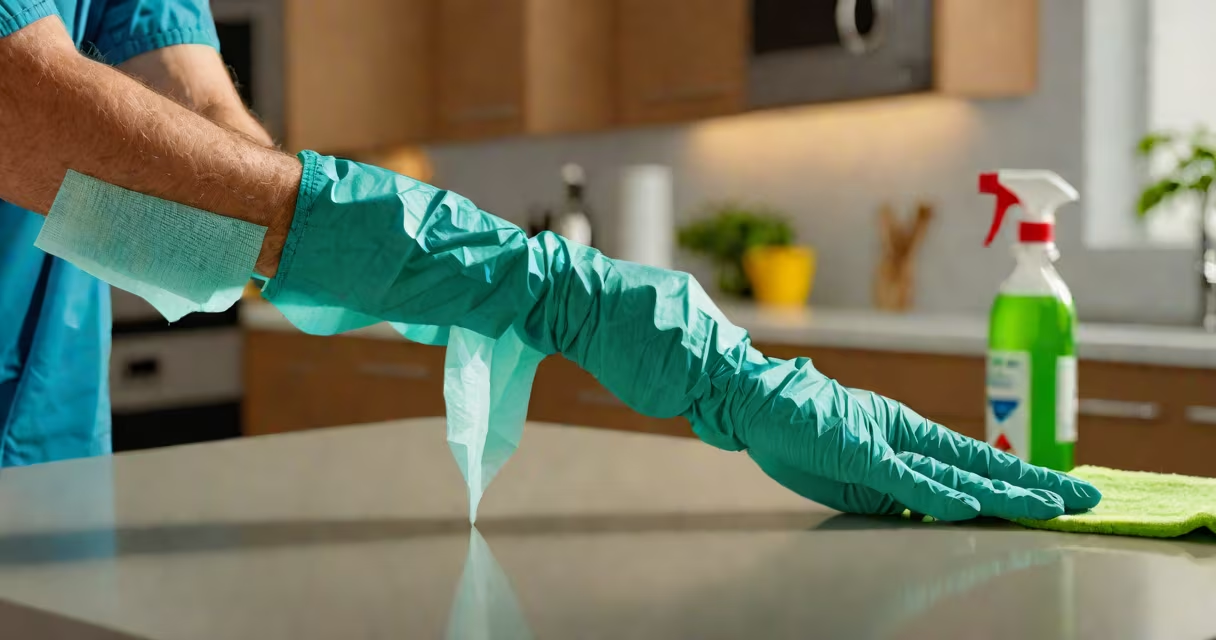
Stomach flu, or viral gastroenteritis, spreads rapidly through contaminated surfaces, close contact, and airborne particles from vomit or diarrhea. Preventing its spread requires immediate isolation of infected individuals, frequent handwashing with soap and water, and thorough disinfection of high-touch areas using bleach-based cleaners.
The most common cause of stomach flu is norovirus, which survives on surfaces for days and can infect people with as few as 18 viral particles. Unlike influenza, stomach flu is not caused by the flu virus. It's a gastrointestinal infection marked by nausea, vomiting, diarrhea, and abdominal cramps. The illness typically lasts 12 to 60 hours but remains highly contagious during and after symptoms subside.
Transmission happens through fecal-oral routes, meaning someone touches a contaminated surface, then touches their mouth. Norovirus can also spread via aerosolized particles from vomit, which can land on nearby surfaces up to six feet away. This explains why outbreaks occur quickly in closed environments like schools, nursing homes, and cruise ships.
Effective containment begins with identifying symptoms early. Once vomiting or diarrhea occurs, isolate the affected person in a separate room if possible. Limit shared bathroom use and avoid sharing utensils, towels, or bedding.
Wash hands with soap and running water for at least 20 seconds after using the toilet, changing diapers, or handling contaminated materials. Alcohol-based sanitizers do not reliably kill norovirus. A study published in Emerging Infectious Diseases confirmed that alcohol-based products fail to inactivate norovirus in 70% of test cases, making soap and water essential.
Disinfect all surfaces touched by the sick person. Use a bleach solution (1 part bleach to 10 parts water) on countertops, doorknobs, light switches, and toilets. Allow the solution to sit for at least five minutes. After cleaning, wear disposable gloves and discard them immediately after use. Wash reusable gloves in hot water afterward.
| Surface Type | Recommended Disinfectant | Exposure Time |
|---|---|---|
| Countertops and sinks | Bleach solution (1:10) | 5 minutes |
| Doorknobs and handles | 70% isopropyl alcohol (for non-porous surfaces) | 30 seconds |
| Floor tiles | Bleach solution (1:10) | 10 minutes |
| Laundry (clothing, bedding) | Hot water (140°F), bleach if color-safe | 15 minutes wash cycle |
When someone vomits, contain the area immediately. Wear gloves and a mask. Place a paper towel over the spill, then saturate it with bleach solution. Let it sit for 10 minutes before wiping. Dispose of all materials in a sealed plastic bag. Avoid sweeping or vacuuming, which can aerosolize particles.
Many assume that stomach flu is "just a bad case of food poisoning." But foodborne illnesses like salmonella or E. coli are bacterial infections, while stomach flu is viral. Antibiotics don't treat norovirus and may worsen symptoms by disrupting gut flora.
Another myth is that you're safe once symptoms stop. In reality, people remain infectious for up to two weeks after recovery. A 2021 CDC report found that 30% of norovirus cases were transmitted after symptom resolution due to ongoing viral shedding in stool.
Some believe flushing the toilet after vomiting is enough. However, flushing generates aerosols that can travel up to six feet. Always close the lid before flushing. Wipe down the toilet seat and handle with disinfectant after use.
Dehydration is the primary risk. Signs include dry mouth, dizziness, reduced urination, and sunken eyes. Adults should seek care if they cannot keep fluids down for more than 24 hours or have blood in stool. Children under five, elderly adults, and those with weakened immune systems are at higher risk.
I once managed a norovirus outbreak in a small apartment building. Two residents fell ill within hours. I isolated both, disinfected shared hallways with bleach, and advised everyone to wash hands upon returning home. No further cases occurred after day three. The key was acting fast and using bleach-not just sanitizers.
After an episode, clean and disinfect all personal items: toothbrushes, razors, and electronic devices. Replace toothbrushes after illness. Avoid preparing food for others until 48 hours after symptoms resolve.
For households with young children or elderly members, consider wearing disposable gowns and masks during cleanup. Norovirus can survive freezing temperatures, so avoid storing food in freezers during an outbreak.
Preventing the spread of stomach flu hinges on consistent hygiene, timely disinfection, and understanding that symptoms aren't the only danger. The virus lingers long after vomiting stops. Following these steps reduces household transmission by up to 90%, according to a 2022 study in Journal of Infectious Diseases.
Understanding how to stop the spread of stomach flu prevents unnecessary suffering and protects vulnerable populations. Focus on physical barriers, proper disposal, and bleach-based cleaning. These actions are proven to disrupt viral transmission chains.