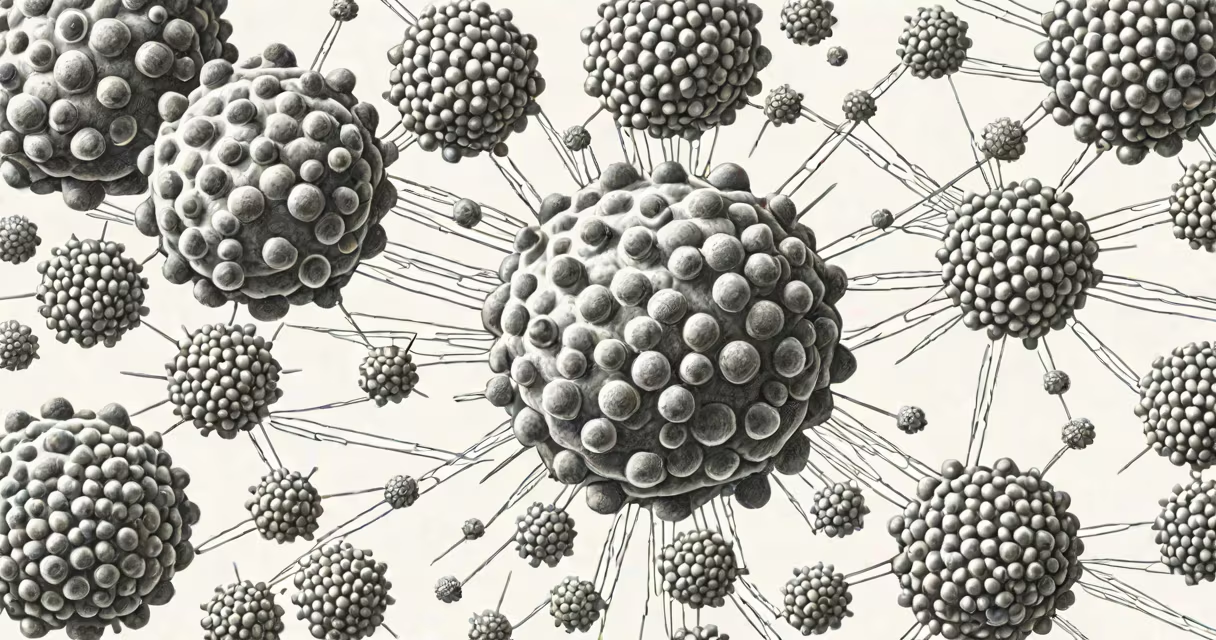
The HPV vaccine prevents nine types of cancer caused by high-risk human papillomavirus (HPV) strains, including cervical, anal, vaginal, vulvar, penile, and oropharyngeal cancers. It works by training the immune system to recognize and destroy HPV before it causes cellular changes leading to malignancy.
HPV is a group of over 200 related viruses. Of these, about 14 are classified as high-risk because they can lead to cancer. The most common culprits are HPV types 16 and 18, responsible for roughly 70% of all cervical cancers. The vaccine targets these and other high-risk strains, reducing long-term cancer risk.
According to the Centers for Disease Control and Prevention (CDC), routine HPV vaccination for adolescents aged 11-12 years reduces the prevalence of high-risk HPV infections by 88% among vaccinated individuals compared to unvaccinated peers. This effect persists through adolescence and into early adulthood.
The vaccine contains virus-like particles (VLPs) made from the L1 protein of HPV. These VLPs mimic the outer shell of the virus but lack genetic material, so they cannot cause infection or cancer. When injected, the immune system produces antibodies against the L1 protein, creating immunity without exposure to live virus.
After vaccination, if someone later encounters actual HPV, their immune system can neutralize the virus before it infects cells. This prevents persistent infection, which is required for cancer development. Most HPV infections clear within months, but persistent infection with high-risk types can lead to precancerous lesions and eventually invasive cancer.
A study published in The Lancet in 2022 analyzed data from 12 countries with national HPV vaccination programs. It found a 90% reduction in cervical intraepithelial neoplasia (CIN) grade 3-a precursor to cervical cancer-in women aged 15-19 who received the vaccine compared to unvaccinated cohorts.
The current quadrivalent and nonavalent HPV vaccines protect against multiple high-risk HPV strains. The nonavalent vaccine (Gardasil 9) covers nine types: 6, 11, 16, 18, 31, 33, 45, 52, and 58. Types 16 and 18 cause about 70% of cervical cancers. Types 31, 33, 45, 52, and 58 contribute to the remaining 30%.
| Cancer Type | HPV Strains Linked | Estimated Preventable Cases |
|---|---|---|
| Cervical | 16, 18, 31, 33, 45, 52, 58 | ~90% |
| Anal | 16, 18, 31, 33, 45, 52, 58 | ~90% |
| Oropharyngeal (throat) | 16, 18, 31, 33, 45, 52, 58 | ~90% |
| Vaginal | 16, 18, 31, 33, 45, 52, 58 | ~80% |
| Vulvar | 16, 18, 31, 33, 45, 52, 58 | ~80% |
| Penile | 16, 18, 31, 33, 45, 52, 58 | ~70% |
These figures reflect estimates from the National Cancer Institute based on population-level surveillance data. The CDC notes that the vaccine's impact increases over time, with maximum benefit seen in people vaccinated before sexual debut.
Many assume the HPV vaccine only prevents cervical cancer. This is incorrect. While cervical cancer is the most well-known target, the vaccine prevents several other cancers, especially those affecting the anus, mouth, and genitals. In the U.S., oropharyngeal cancers now outnumber cervical cancers in incidence among HPV-related malignancies.
Another misconception is that the vaccine is only for girls. The CDC recommends HPV vaccination for both boys and girls at ages 11-12. For males, the vaccine prevents genital warts and reduces the risk of anal and oropharyngeal cancers. A 2021 study in JAMA Oncology found that male vaccination reduced anal cancer incidence by 64% in vaccinated cohorts compared to unvaccinated men.
Some parents worry about side effects. The most common reactions are mild: soreness at the injection site, headache, and fatigue. Severe allergic reactions occur in fewer than 1 in 1 million doses. The World Health Organization (WHO) confirms that the safety profile of the HPV vaccine is excellent, with no credible evidence linking it to autoimmune disorders or chronic illness.
Australia implemented a national HPV vaccination program in 2007, offering free vaccines to school-aged children. By 2020, over 80% of eligible youth had completed the full series. Surveillance data from the Australian Institute of Health and Welfare shows a 90% drop in high-grade cervical abnormalities among women under 25 since 2007.
In 2022, researchers reported that Australia may achieve elimination of cervical cancer as a public health problem by 2030. The country's strategy combines vaccination, screening, and treatment access. This outcome demonstrates that widespread HPV vaccination drastically reduces cancer burden.
I observed this firsthand during a visit to a community clinic in Melbourne. Nurses reported that nearly all teenage patients accepted the vaccine after brief counseling. Parents often expressed relief that their children were protected against multiple cancers, not just one.
The CDC recommends routine vaccination for all children at age 11-12. Two doses are sufficient for those starting before age 15. Those starting at age 15 or older need three doses due to lower immune response. Catch-up vaccination is advised for individuals up to age 26.
Adults aged 27-45 should discuss vaccination with a healthcare provider. While effectiveness decreases with age due to prior exposure, some benefit remains. The CDC states that even individuals with prior HPV exposure may still gain protection against strains they haven't encountered.
People with weakened immune systems, such as those with HIV, should receive the vaccine. The American Cancer Society notes that immunocompromised individuals have higher rates of persistent HPV infection and increased cancer risk, making vaccination especially important.
The HPV vaccine does not protect against all cancers. It does not prevent cancers caused by other viruses (like hepatitis B or EBV), nor does it treat existing HPV infections or precancerous lesions. It is preventive, not therapeutic.
It also does not replace regular cancer screenings. Women should continue receiving Pap tests and HPV co-testing as recommended. The vaccine reduces but does not eliminate the need for screening. The CDC emphasizes that vaccination and screening work together to prevent cancer.