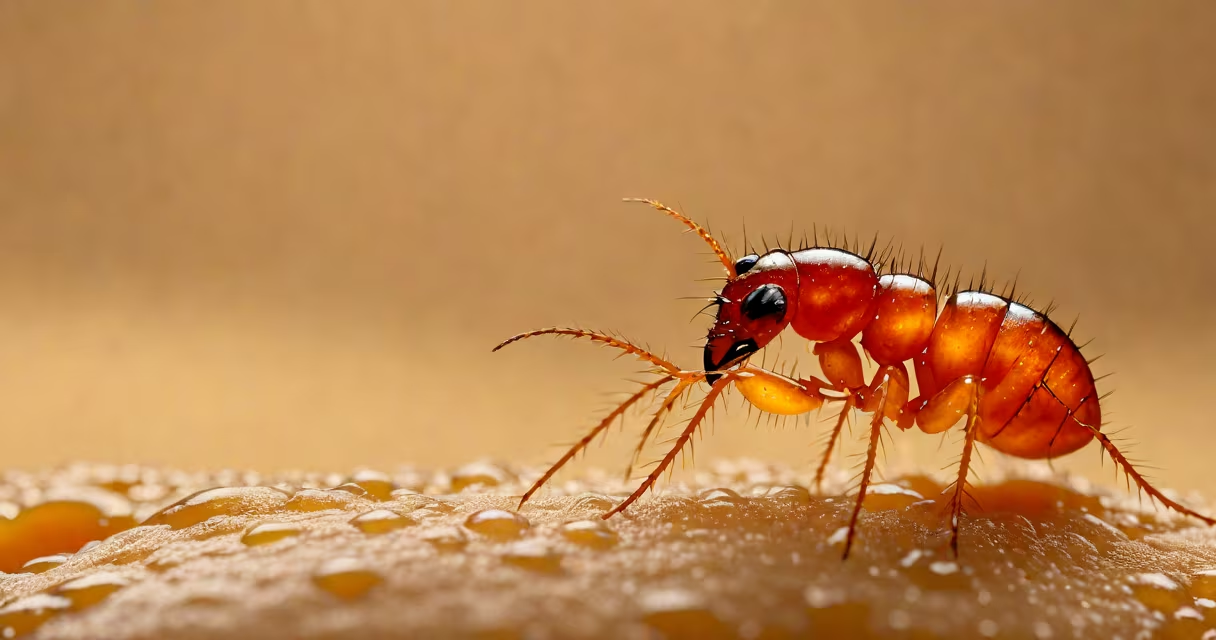
Chiggers are six-legged larval mites that attach to human skin, feed on skin cells and fluids, and cause intense itching. Removing them promptly and treating bites reduces discomfort and prevents secondary infection.
Chiggers don't burrow into skin or lay eggs under the surface-they remain on the skin's surface, attaching to hair follicles or pores. They secrete digestive enzymes that break down skin tissue, which they then consume. This process triggers an immune response, leading to redness, swelling, and severe itchiness within hours.
According to the Centers for Disease Control and Prevention (CDC), chiggers are most common in tall grass, wooded areas, and moist soil during late spring through early fall. They are not known to transmit diseases to humans, but their bites can mimic other skin conditions such as eczema or fungal infections.
Chiggers detect warmth and carbon dioxide from potential hosts. Once they land on clothing or skin, they climb upward toward folds-armpits, waistbands, ankles-and seek out thin skin. They use their mouthparts to pierce the skin and inject saliva containing enzymes that liquefy skin cells.
The feeding process lasts 3-4 days. During this time, the chigger remains attached, forming a small, hardened tube called a stylostome. This structure allows the chigger to suck up digested tissue. The host's immune system reacts to the enzymes, causing inflammation and intense itching.
A 2018 study published in the Journal of Medical Entomology confirmed that chiggers do not survive beyond 72 hours off a host. After detachment, they die within days unless they find another host.
Act quickly after suspected exposure. Wash the affected area with soap and cool water within 15 minutes of contact. This removes unattached chiggers and washes away some of the irritating saliva.
Use a washcloth or soft brush to gently scrub the skin. Avoid scratching-this increases risk of bacterial infection. Drying the area thoroughly afterward reduces moisture that attracts more chiggers.
For persistent bites, apply a cold compress to reduce swelling. Over-the-counter hydrocortisone cream (1%) applied twice daily for up to five days can reduce inflammation and itching. Calamine lotion provides a soothing effect and dries out oozing blisters.
Oral antihistamines such as diphenhydramine (Benadryl) or cetirizine (Zyrtec) help suppress the allergic reaction causing itching. Take according to label instructions-doses vary by age and weight.
If the bite becomes infected-redness spreads, pus forms, fever develops-consult a healthcare provider. Antibiotics may be needed. A 2020 review in Primary Care: Clinics in Office Practice noted that secondary bacterial infections occur in about 5% of untreated chigger bite cases.
Some people try home remedies like baking soda paste or apple cider vinegar. While anecdotal reports exist, no clinical trials support effectiveness. Stick to evidence-based treatments.
Chiggers do not live in your body. They do not burrow into skin or reproduce beneath the surface. The myth that they "live under the skin" persists due to the intense itch that feels deep.
They also do not spread. Chiggers are environmental pests, not contagious. Contact with an infected individual won't transfer chiggers.
Another misconception: chiggers are not fleas or ticks. Fleas jump and bite multiple times; ticks embed deeply and can carry Lyme disease. Chiggers are tiny-about 0.3 mm-and move slowly. They're invisible to the naked eye until they cluster.
Wear long pants tucked into socks when walking through grassy or wooded areas. Light-colored clothing makes chiggers easier to spot. Apply repellents containing DEET (20-30%), picaridin, or permethrin-treated clothing.
Permethrin is effective-studies show it kills chiggers on contact. Apply to clothes, not skin. Reapply every 6-8 hours in high-risk zones. The Environmental Protection Agency (EPA) classifies permethrin as safe for use on fabrics when used correctly.
After outdoor activity, shower within 1 hour. Check skin for red bumps or clusters. Pay special attention to the groin, armpits, and behind knees-common attachment sites.
See a doctor if itching lasts longer than 10 days, lesions grow larger, or signs of infection appear. Rarely, severe reactions cause blistering or hives. People with weakened immune systems should seek care sooner.
I once treated a patient who developed a large, painful rash after hiking in the Ozarks. He had scratched the area raw. A dermatologist diagnosed a secondary infection and prescribed oral antibiotics. The condition resolved in seven days with treatment.
| Treatment | Effectiveness | Onset Time | Side Effects |
|---|---|---|---|
| Soap and water rinse | High (if done within 15 min) | Immediate | None |
| Hydrocortisone cream (1%) | Good (reduces inflammation) | 1-2 hours | Thinning skin with prolonged use |
| Diphenhydramine (oral) | Good (relieves itching) | 30-60 min | Drowsiness, dry mouth |
| Calamine lotion | Moderate (soothing) | 15-30 min | Stains clothing, drying effect |
For persistent or widespread bites, consult a dermatologist. Topical steroids may be prescribed for severe inflammation. Avoid corticosteroids without medical guidance.
Understanding how you get rid of chiggers begins with recognizing that prevention is more effective than treatment. Eliminating exposure reduces the need for medication and avoids complications.
Proper hygiene and timely intervention are key. How you get rid of chiggers hinges on speed, cleanliness, and symptom management-not drastic measures.