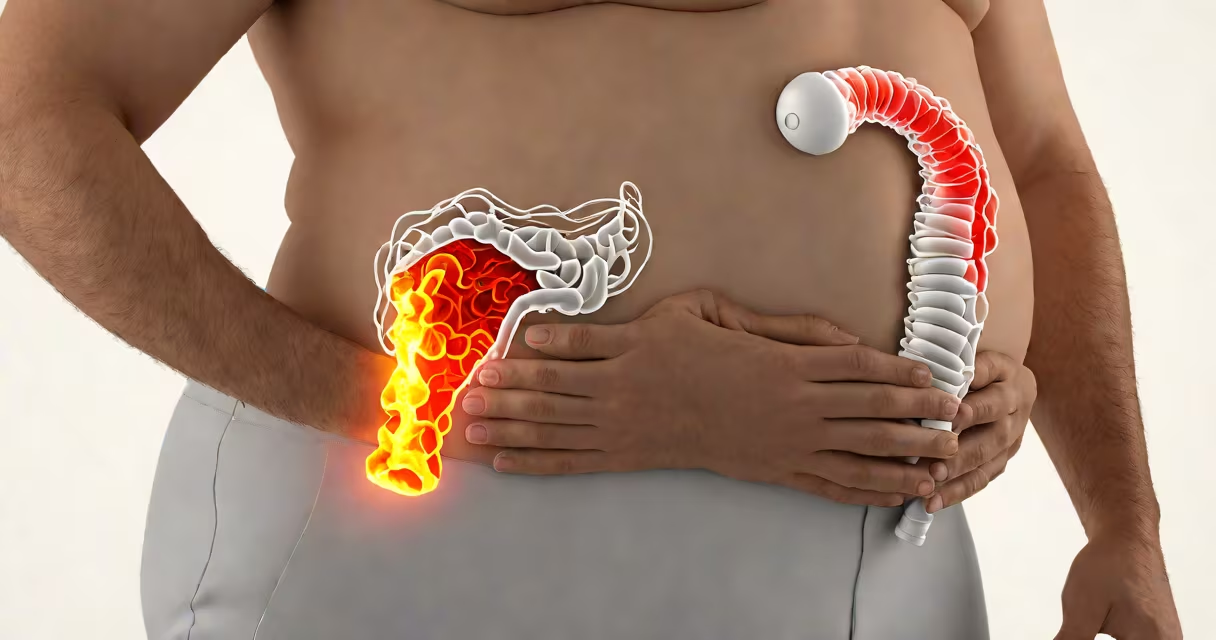
Excessive gas is not a direct or reliable indicator of colon cancer. While changes in bowel habits, bloating, or abdominal discomfort can occur in people with colorectal cancer, gas alone does not confirm the disease. Persistent symptoms combined with other red flags require clinical assessment.
Gas in the digestive tract results from swallowed air, bacterial fermentation of undigested carbohydrates, and normal gut activity. Most people pass gas 10 to 20 times daily. When gas increases -especially with new onset after age 50-it may prompt concern about underlying conditions, including colorectal cancer. However, gas is far more commonly linked to dietary triggers, irritable bowel syndrome (IBS), or small intestinal bacterial overgrowth (SIBO).
The American Cancer Society notes that early-stage colon cancer often presents without symptoms. When symptoms do appear, they typically involve changes in bowel habits (diarrhea or constipation lasting more than a few days), rectal bleeding, or unexplained fatigue. Gas, while sometimes reported, is not listed among primary warning signs.
Gases in the intestines come from two sources: swallowed air and microbial breakdown of food. The large intestine hosts trillions of bacteria that ferment fiber and resistant starches, producing hydrogen, methane, and carbon dioxide. This process is normal and essential for gut health.
When gas production exceeds typical levels, it may result from consuming high-FODMAP foods (fermentable oligosaccharides, disaccharides, monosaccharides, and polyols)-such as beans, onions, garlic, and certain fruits. Lactose intolerance, fructose malabsorption, and celiac disease also increase gas volume due to incomplete digestion.
A common misconception is that gas equals "toxic buildup" or "bad gut flora." This idea lacks scientific support. Increased gas is not a marker of systemic toxicity. Instead, it reflects altered digestion or microbial balance, which can be managed through diet or medical evaluation.
Gas becomes a potential red flag when it occurs alongside other persistent symptoms. The National Institute of Diabetes and Digestive and Kidney Diseases (NIDDK) identifies alarm signs that require investigation, including:
Colon cancer develops slowly, often over 10 years, beginning as benign polyps. These can obstruct the colon, leading to partial blockage, increased fermentation, and gas accumulation. As tumors grow, they may cause narrowing, leading to distension and gas retention. But these changes are secondary-gas is a symptom, not a cause.
In one study published in Clinical Gastroenterology and Hepatology, researchers found that patients with newly diagnosed colon cancer were more likely to report bloating and altered bowel movements than those without cancer-but gas alone was not predictive. The presence of multiple symptoms increased diagnostic accuracy.
Several non-cancerous conditions produce gas-like symptoms. Irritable bowel syndrome (IBS) affects 10-15% of adults and is characterized by bloating, gas, and alternating diarrhea/constipation. IBS is diagnosed based on symptom patterns, not imaging or biopsy.
Small intestinal bacterial overgrowth (SIBO) occurs when bacteria colonize the small intestine, fermenting food before absorption. SIBO causes excessive gas, bloating, and diarrhea. A hydrogen breath test confirms the diagnosis. Treatment includes antibiotics and dietary modifications.
Food intolerances such as lactose or fructose malabsorption lead to gas and bloating. A 2020 review in Nutrients found that eliminating trigger foods reduced symptoms in 70% of participants with functional gastrointestinal disorders.
| Condition | Typical Gas Symptoms | Distinguishing Features |
|---|---|---|
| Colon cancer | Chronic bloating, gas with bowel habit changes | Rectal bleeding, unintentional weight loss, family history |
| IBS | Gas with cramping, relief after defecation | Diarrhea/constipation alternation, stress-linked flares |
| SIBO | Excessive gas, bloating within hours of eating | Steatorrhea (fatty stools), vitamin B12 deficiency |
| Lactose intolerance | Gas and diarrhea after dairy consumption | Onset within 30 minutes to 2 hours |
One key distinction: colon cancer-related gas tends to be persistent and progressive. It does not resolve with dietary changes or over-the-counter remedies. If gas worsens over weeks or months despite adjustments, medical evaluation is warranted.
I once observed a patient in a primary care clinic who reported increasing gas and bloating over six months. He had tried eliminating beans, dairy, and gluten. His symptoms persisted. A colonoscopy revealed a 3 cm adenoma in the sigmoid colon. After removal, his bloating resolved. This case illustrates that gas alone is not diagnostic-but when paired with other changes, it can be part of a larger picture.
Age matters. The risk of colorectal cancer rises sharply after age 50. The U.S. Preventive Services Task Force recommends screening starting at 50 for average-risk individuals. Screening methods include fecal immunochemical tests (FIT), colonoscopy, and CT colonography.
If you experience excessive gas along with any of the following, consult a healthcare provider:
Excessive gas is rarely a standalone sign of colon cancer. It is more often a symptom of manageable conditions. But when gas appears with new-onset abdominal pain, blood in stool, or unexplained weight loss, it should prompt medical attention. Early detection improves survival rates-90% for localized colon cancer versus 14% for metastatic disease.
Understanding your body's signals is critical. Not every symptom demands alarm, but consistent changes deserve clarity. If you're unsure, ask your doctor about screening options. Prevention and early intervention save lives.