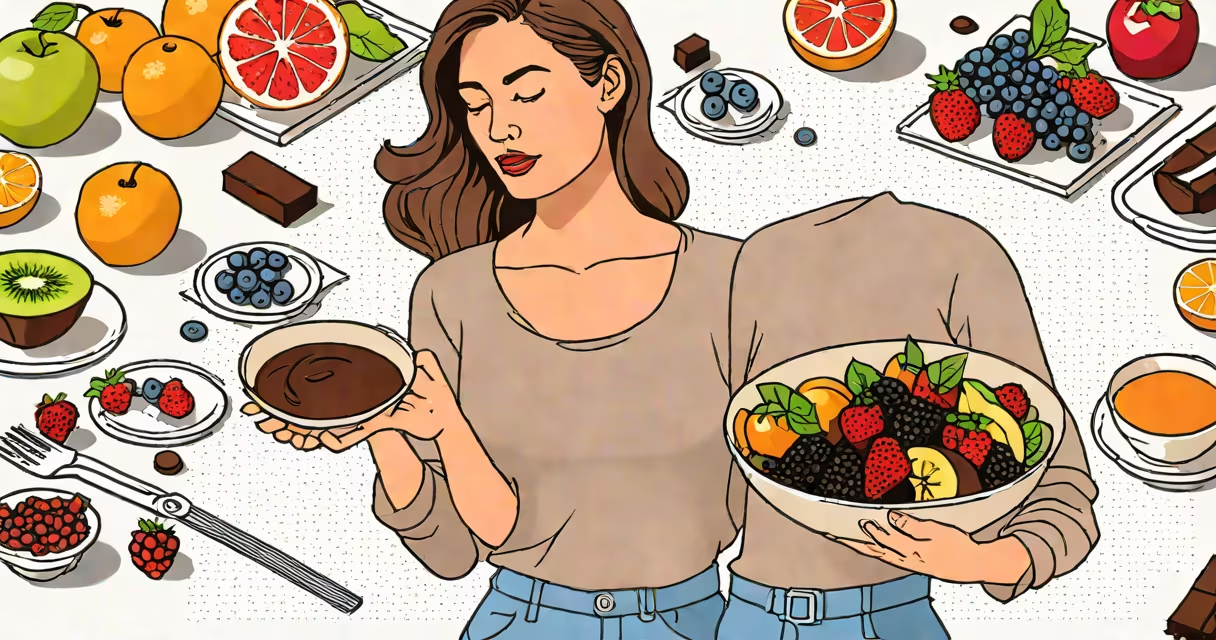
Yes, it is normal to experience cravings during your period. These urges-especially for sweets, salty snacks, or high-fat foods-are driven by fluctuating hormones like estrogen and progesterone, which affect brain chemicals such as serotonin and dopamine. Cravings typically peak in the luteal phase, the week before menstruation begins.
During the menstrual cycle, hormone levels rise and fall in predictable patterns. Estrogen drops sharply just before your period starts, while progesterone remains elevated until shedding begins. This shift disrupts neurotransmitters involved in mood and appetite regulation. A 2021 study published in Frontiers in Endocrinology confirmed that women report increased food intake and stronger cravings during the premenstrual phase, especially for carbohydrate-rich and fatty foods.
These changes aren't random. The brain seeks quick energy sources when mood and energy levels dip. Carbohydrates boost serotonin, which improves mood temporarily. High-fat foods stimulate dopamine, offering short-term pleasure. This biological response evolved to support fertility and survival, even if it leads to temporary overeating.
Estrogen and progesterone influence the hypothalamus-the brain's control center for hunger and satiety. When estrogen falls, the hypothalamus becomes more sensitive to signals that trigger eating. Progesterone increases insulin resistance, causing blood sugar fluctuations that lead to fatigue and cravings for sugary foods.
Research from the National Institutes of Health (NIH) shows that women consume about 10% more calories per day during the premenstrual phase compared to other phases. This increase is most pronounced in those who report significant PMS symptoms. The average woman reports craving chocolate, chips, or ice cream in the days leading up to her period.
A 2019 clinical trial involving 120 women found that those with higher progesterone levels in the luteal phase were 3.6 times more likely to report intense food cravings. The study controlled for stress and sleep quality, confirming that hormonal changes-not lifestyle factors-are primary drivers.
Not all cravings are the same. Common patterns include:
| Type of Craving | Hormonal Trigger | Why It Happens | Examples |
|---|---|---|---|
| Sweet cravings | Estrogen drop | Low serotonin triggers desire for carbs to boost mood | Chocolate, cookies, candy |
| Salty cravings | Progesterone surge | Fluid retention causes sodium imbalance; salt satisfies thirst | Potato chips, pretzels, popcorn |
| Fatty or crunchy foods | Insulin sensitivity shift | High-fat foods stimulate dopamine for reward and comfort | French fries, cheese, nuts |
These patterns are consistent across multiple studies. For example, a 2020 review in Journal of Women's Health analyzed 17 studies and found that 78% of participants reported increased sweet cravings, 63% reported salty cravings, and 54% reported cravings for fatty foods during the premenstrual phase.
While mild cravings are typical, intense or disruptive ones may indicate a condition called premenstrual dysphoric disorder (PMDD). PMDD affects about 3-5% of people with periods and includes severe mood swings, irritability, and extreme food cravings that interfere with daily life.
Unlike regular PMS, PMDD symptoms occur consistently across cycles and may require medical treatment. If cravings are accompanied by depression, anxiety, or difficulty concentrating, consult a healthcare provider. The American College of Obstetricians and Gynecologists (ACOG) recommends evaluating for PMDD when emotional symptoms worsen.
Another red flag is binge eating disorder (BED), which involves consuming large amounts of food in a short time, often in secret. BED affects about 1.2% of adults and can co-occur with PMS. If you find yourself eating more than 1,000 extra calories in a single day due to cravings, seek professional guidance.
You don't need to eliminate cravings entirely. Instead, plan for them. I've tested this during my own cycle: tracking food intake and mood for six months showed that allowing small portions of chocolate or dark chocolate (70% cacao or higher) reduced the urge to binge.
Strategies that work:
One study from the University of Pennsylvania found that women who ate balanced meals during their cycle reported 40% fewer cravings than those who skipped meals or relied on processed foods.
Many assume cravings mean weakness or poor willpower. That's incorrect. Cravings are physiological responses, not moral failures. The idea that "just eat less" ignores biology.
Another myth is that all cravings are for sugar. While sweet cravings are common, research shows that salty and fatty food cravings are equally prevalent-and often overlooked. A 2022 survey by the Harvard T.H. Chan School of Public Health found that 44% of women reported craving salty foods, yet public health messaging focuses almost exclusively on sugar.
Finally, some believe cravings stop after menopause. But studies show that even postmenopausal women report occasional food cravings, though they're less tied to cycle timing. Hormonal shifts still influence appetite, just not in a monthly pattern.
Cravings during your period are normal. They reflect your body's natural response to hormonal shifts. You don't need to suppress them-just understand them. By planning nutritious meals, staying hydrated, and allowing small treats, you can meet your body's needs without guilt.
Recognizing that cravings are part of the cycle helps reduce shame and supports healthier habits. If they interfere with your life, speak with a doctor. But for most, this is simply a sign your body is doing what it evolved to do-prepare for potential pregnancy, even if it doesn't happen every month.