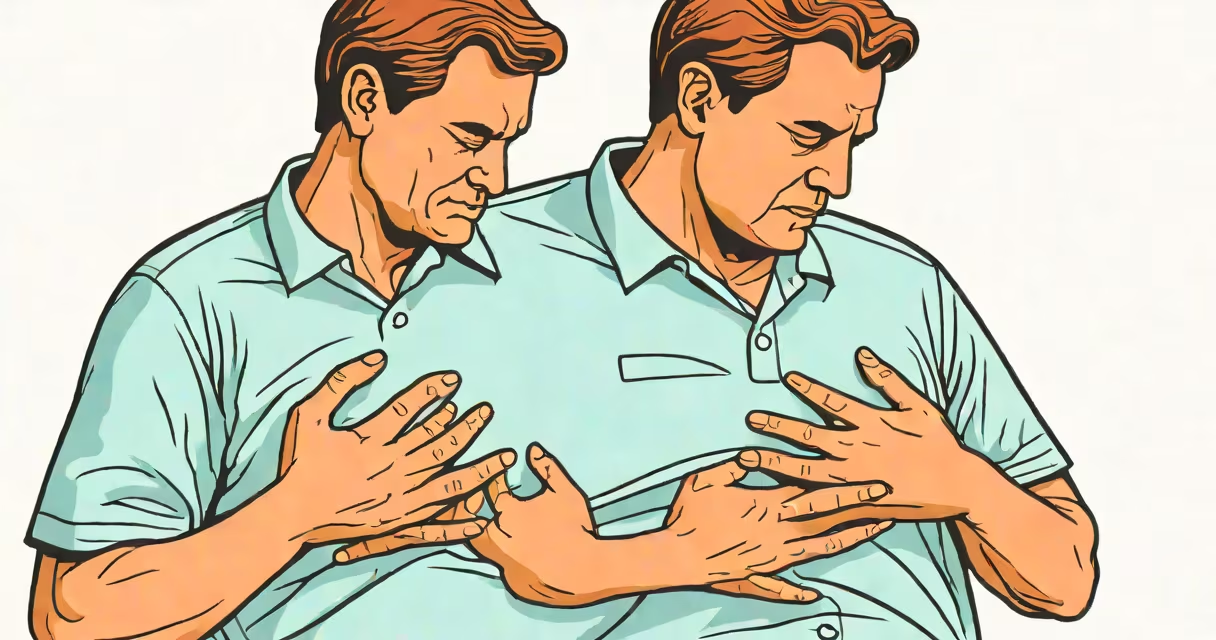
Heartburn is not caused by heart problems, but it can mimic heart attack symptoms. It results from stomach acid flowing back into the esophagus, while heart issues involve blood flow to the heart muscle. The two conditions share overlapping signs-especially chest discomfort-but have different origins and treatments.
Heartburn occurs when the lower esophageal sphincter (LES) fails to close properly, allowing acidic digestive contents to rise into the esophagus. This causes a burning sensation behind the breastbone, often after eating or lying down. The condition affects about 60 million Americans monthly, according to the American College of Gastroenterology.
Heart problems, such as angina or myocardial infarction (heart attack), stem from reduced blood flow to the heart due to blocked coronary arteries. Symptoms include pressure, tightness, or squeezing in the chest, often radiating to the arm, neck, jaw, or back. These are life-threatening and require immediate care.
The esophagus connects the mouth to the stomach. A muscular ring called the lower esophageal sphincter normally prevents stomach contents from moving upward. When this valve weakens or relaxes inappropriately, acid escapes into the esophagus, irritating its lining.
Common triggers include spicy foods, alcohol, caffeine, large meals, bending over, and lying flat. Symptoms usually appear within 30 minutes of eating and may last up to two hours. They often improve with antacids or lifestyle changes.
A 2021 study in Gastroenterology found that 70% of patients reporting "chest pain" during emergency visits were later diagnosed with gastroesophageal reflux disease (GERD), not cardiac events. This highlights how frequently heartburn masquerades as heart-related pain.
Heartburn is part of a spectrum of acid reflux disorders. The most common forms include:
| Type | Description | Frequency |
|---|---|---|
| Occasional heartburn | Infrequent episodes, often tied to specific meals or posture. | Less than weekly |
| Reflux esophagitis | Visible inflammation of the esophagus due to chronic acid exposure. | More than twice a week |
| Barrett's esophagus | Pre-cancerous cell changes in the esophagus lining, linked to long-term GERD. | Rare, but serious |
Chronic heartburn increases the risk of complications. The National Institute of Diabetes and Digestive and Kidney Diseases reports that untreated GERD can lead to strictures (narrowing of the esophagus) or esophageal adenocarcinoma, a rare but aggressive cancer.
Both conditions can produce chest pain that feels heavy, sharp, or burning. This similarity leads many to assume they're experiencing a heart attack when it's actually acid reflux.
However, key differences exist. Heartburn pain typically rises from the upper abdomen toward the throat and worsens when lying down or bending forward. Heart-related chest pain often feels like pressure or tightness, may spread to the left arm or jaw, and doesn't always improve with antacids.
One non-obvious distinction: heartburn rarely causes shortness of breath or cold sweats-common signs of cardiac distress. According to the American Heart Association, 50% of heart attack patients report sweating, and 40% report nausea, neither of which are typical in isolated heartburn.
If chest pain lasts longer than 15 minutes, spreads to the shoulder or jaw, or is accompanied by dizziness, nausea, or difficulty breathing, treat it as a potential heart event. Call emergency services immediately.
I once saw a patient who came to the clinic complaining of severe chest burning after dinner. He had taken antacids with no relief. His vitals were stable, but he reported cold hands and sudden fatigue. We ran an EKG-normal. But his symptoms persisted. A follow-up endoscopy revealed severe esophagitis. He'd been mistaking reflux for a heart issue for months.
For persistent or worsening symptoms, consult a gastroenterologist. Diagnostic tools include pH monitoring, endoscopy, and manometry to assess esophageal function.
Use this comparison to guide your response:
| Feature | Heartburn | Heart Problem |
|---|---|---|
| Pain location | Behind sternum, often rising to throat | Center or left side of chest, may radiate |
| Pain quality | Burning, warm, or acidic | Pressure, tightness, crushing |
| Triggers | Large meals, lying down, alcohol | Exercise, stress, cold weather |
| Relief | Antacids, upright position | Rest, nitroglycerin (if prescribed) |
| Associated symptoms | Regurgitation, sour taste, hoarseness | Dizziness, cold sweat, shortness of breath |
When in doubt, never delay care. The presence of multiple red flags-such as pain lasting over 20 minutes, weakness, or fainting-requires urgent evaluation.
Understanding whether heartburn is related to heart problems begins with recognizing their distinct mechanisms. While both can cause chest pain, heartburn stems from digestive dysfunction, not cardiac failure. Accurate diagnosis prevents unnecessary anxiety and ensures proper treatment.