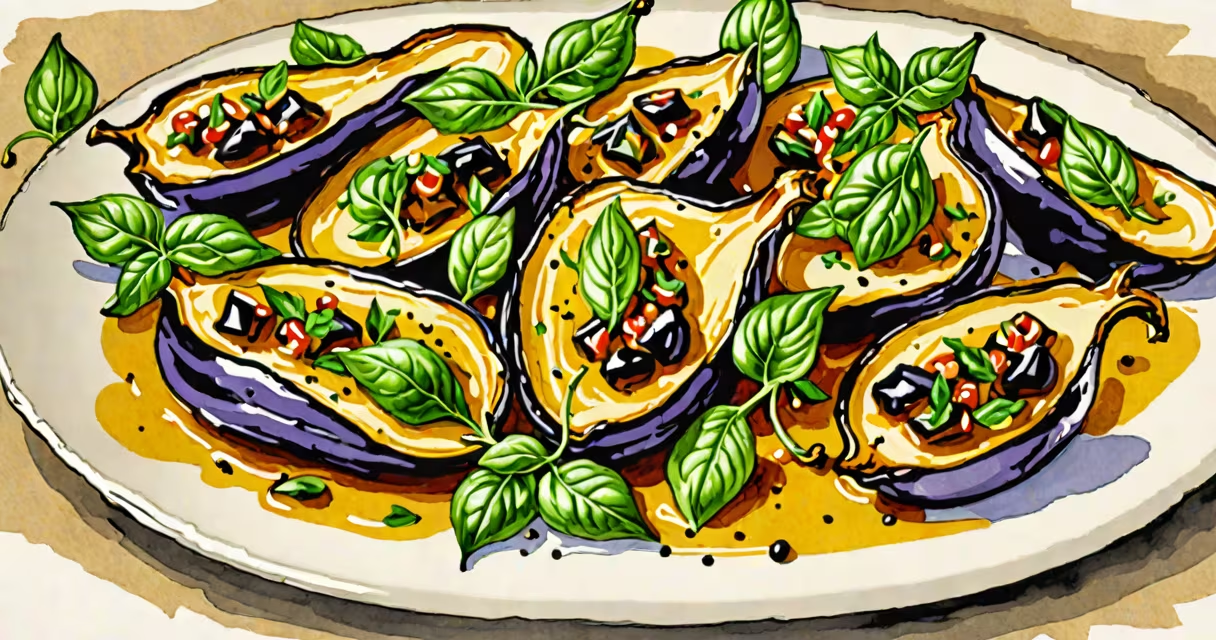
Italian side dishes are small, flavorful preparations centered on seasonal vegetables, legumes, grains, or cheeses, designed to complement main courses without overpowering them. They emphasize fresh ingredients, regional traditions, and minimal processing-often relying on olive oil, garlic, herbs, and simple cooking techniques.
These dishes form the core of Italian home cooking. They're rarely served as standalone meals but instead balance rich proteins like osso buco or grilled meats. A well-made side dish enhances texture, aroma, and nutritional variety on the plate. Common examples include sautéed greens, roasted root vegetables, bean salads, and stuffed peppers.
Unlike American-style side dishes that may feature cream, cheese, or heavy sauces, Italian side dishes prioritize restraint. The goal is harmony-not competition-with the main course. A single dish might contain only five ingredients: olive oil, garlic, onions, tomatoes, and fresh basil.
They rely on timing, temperature control, and ingredient quality. Cooking vegetables just until tender-crisp preserves their natural sweetness and nutrients. Searing garlic in hot oil releases flavor without burning. Using extra virgin olive oil at room temperature ensures maximum aroma and richness.
Many are prepared in bulk and repurposed across meals. For example, leftover roasted fennel and radicchio can be chopped and tossed into a salad the next day. Others are made fresh daily-like warm cannellini beans with rosemary and lemon zest-because their flavor diminishes quickly.
Seasonality drives the menu. In spring, you'll find fava beans and asparagus. Summer brings grilled zucchini and tomatoes. Autumn features mushrooms, squash, and lentils. Winter focuses on hearty roots like celeriac and turnips, often simmered slowly with sage and butter.
Italian side dishes fall into clear categories based on ingredients and preparation methods. Not all are vegetarian, but most are plant-forward and low in processed components.
| Type | Key Ingredients | Common Preparation | Region of Origin |
|---|---|---|---|
| Green Vegetable Sauté | Swiss chard, kale, garlic, olive oil | Sautéed in olive oil with garlic and lemon juice | Tuscany |
| Grilled Vegetable Platter | Zucchini, eggplant, bell peppers, tomatoes | Grilled over wood fire, drizzled with oil and herbs | Calabria |
| Legume Salad | Cannellini beans, red onion, parsley, lemon | Chilled, dressed with vinaigrette | Piedmont |
| Stuffed Vegetables | Peppers, tomatoes, zucchini, rice, herbs | Baked with tomato sauce and cheese | Emilia-Romagna |
| Grain-Based Sides | Farro, barley, polenta, herbs | Simmered with broth, finished with butter and cheese | Lombardy |
Each category reflects local agriculture and climate. For example, farro is native to northern Italy's cooler highlands, while grilled vegetables dominate southern regions with hotter summers and abundant sun.
Italian side dishes appear at family meals, festive dinners, and everyday lunches. They're central to Sunday feasts in Naples, where a table might hold seven different sides alongside pasta and meat.
They serve multiple roles: balancing protein-heavy meals, adding color and texture, and reducing food waste. A single batch of roasted carrots and onions can be eaten cold the next day as part of a sandwich filling.
Restaurants often list them under "contorni" on menus. These are not appetizers-they're meant to accompany the main course. Ordering a contorno with your risotto or osso buco is standard practice in trattorias across Rome and Florence.
People often confuse Italian side dishes with American-style sides. American versions frequently include dairy, sugar, or thick sauces. Italian sides avoid those elements unless specified by region or recipe tradition.
Another misconception is that all Italian side dishes are vegetarian. While most are, some-like stuffed peppers with ground pork or sautéed greens with pancetta-are meat-inclusive. The presence of animal products doesn't disqualify a dish as a side; it simply defines its regional origin.
A less obvious point: many Italian side dishes are not served hot. Cold bean salads, chilled beetroot with dill, and marinated artichokes are common. Temperature is secondary to flavor balance and freshness.
Recipe: Preheat oven to 400°F (200°C). Slice 1 large eggplant into ½-inch rounds. Brush both sides with olive oil. Place on a baking sheet. Roast for 25 minutes, flipping halfway through. Remove and cool slightly. Top with minced garlic (2 cloves), torn fresh basil (¼ cup), and a drizzle of extra virgin olive oil. Serve at room temperature.
This dish pairs with grilled lamb chops or baked cod. It contains 120 calories per serving (½ cup), 6g fat, 1g protein, and 14g carbohydrates. The flavor profile is earthy, garlicky, and herbaceous-without heat or spice.
I made this version during a summer trip to Puglia. I bought the eggplants from a roadside stand near Lecce. The vendor said his family had grown them for 40 years using the same method: slow roasting over charcoal. The result was deeply caramelized, almost sweet. I served it with grilled sardines and a glass of Nero di Troia wine. It was the most memorable meal of the week.
Antipasti are appetizers-meant to be eaten before the main course. They often include cured meats, cheeses, olives, and marinated vegetables. Side dishes are served with the main course.
For example, a platter of prosciutto and melon is antipasto. A bowl of sautéed escarole with anchovies is a side dish. Both use similar ingredients, but their placement in the meal sequence differs.
Some dishes blur the line-like bruschetta with tomatoes and basil. It can be served as an antipasto or as a side with grilled chicken. Context determines function.
According to the Italian Ministry of Agriculture, traditional Italian cuisine emphasizes "seasonal availability, minimal processing, and balanced nutrition." This principle applies equally to side dishes and main courses.
Research from the University of Bologna confirms that households in Emilia-Romagna prepare an average of 3.2 side dishes per meal, compared to 1.8 in Northern Italy. The difference correlates with higher vegetable consumption and lower rates of diet-related illness in the region.
When choosing italian side dishes, focus on freshness, simplicity, and regional authenticity. Avoid canned or frozen versions unless labeled "made in Italy" with a PDO or PGI certification. These designations ensure traceability and adherence to traditional methods.
Understanding how these dishes function within meals prevents missteps in planning. A well-chosen side dish doesn't compete-it completes.