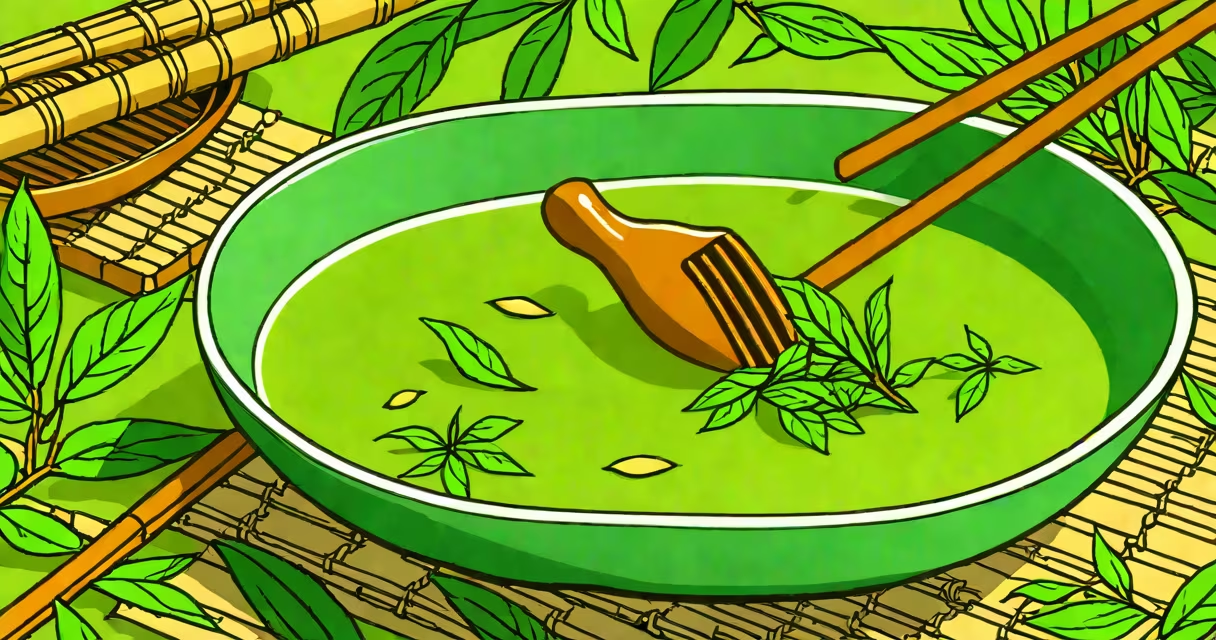
japanese green tea refers to unoxidized teas produced in Japan, primarily from the Camellia sinensis plant. These teas are steamed shortly after harvesting to preserve their vibrant green color, fresh aroma, and high concentration of antioxidants like catechins and L-theanine. The most common varieties include matcha, sencha, gyokuro, and hojicha.
Unlike black or oolong teas, which undergo oxidation, japanese green tea is processed quickly after picking to halt enzymatic browning. This method preserves volatile compounds responsible for its grassy, sweet, and sometimes seaweed-like notes. The result is a tea with a clean finish and a balanced profile of bitterness, sweetness, and umami.
Japan's tea regions-Shizuoka, Kagoshima, and Uji-are renowned for producing high-quality green tea. Uji, in particular, has been a center of tea culture since the 12th century and remains the origin of ceremonial-grade matcha. The climate, soil, and hand-harvesting practices contribute to the subtle differences between regional batches.
The production process begins with shading tea plants 20-30 days before harvest. This increases chlorophyll and amino acid levels, especially L-theanine, which contributes to a smoother taste and calming effect. After harvesting, the leaves are steamed (called *tencha* processing) to stop oxidation. The stems and veins are removed, leaving only the tender leaf tissue.
For sencha, the most widely consumed variety, the leaves are rolled and dried. For matcha, the remaining powdered leaf material is ground into a fine powder using stone mills. This grinding process takes about 45 minutes per gram of matcha and must be done slowly to avoid heat buildup, which degrades flavor and nutrients.
A key difference from other green teas is the absence of fermentation. Japanese green tea is consumed soon after processing to maintain freshness. It is typically stored in opaque, airtight containers and kept refrigerated to prevent oxidation and loss of aroma.
There are several distinct types of japanese green tea, each with unique preparation methods and flavor profiles:
| Type | Processing | Flavor Profile | Common Use |
|---|---|---|---|
| Sencha | Steamed, rolled, dried | Grassy, sweet, slightly astringent | Daily drinking, 70-80°C water |
| Matcha | Shaded, steamed, stone-ground | Rich umami, vegetal, slightly bitter | Ceremonial use, lattes, baking |
| Gyokuro | Deeply shaded, steamed, hand-rolled | Sweet, mellow, oceanic notes | Premium drinking, 60-70°C water |
| Hojicha | Roasted after steaming | Nutty, toasty, low caffeine | Evening drink, stress relief |
Each type reflects regional tradition and consumer preference. Sencha accounts for over 80% of Japan's domestic tea consumption, while matcha is central to the Japanese tea ceremony (*chanoyu*). Gyokuro is reserved for special occasions due to its high cost and labor-intensive production.
Contrary to popular belief, not all japanese green tea is ceremonial. Matcha labeled "culinary grade" is designed for cooking and beverages, not direct infusion. Its flavor is less refined and more earthy than ceremonial-grade matcha, which is meant to be whisked into hot water and sipped slowly.
Many consumers mistake japanese green tea for Chinese green tea, such as Longjing or Dragon Well. While both are unoxidized, they differ in processing and flavor. Chinese green tea is often pan-fired rather than steamed, resulting in a nuttier, toasted aroma. Japanese green tea tends to have a brighter, more vegetal character.
Another frequent mix-up is between matcha and regular green tea powder. Matcha is made from shade-grown leaves and ground into a fine powder. Regular green tea powder is simply dried and crushed leaves, lacking the concentrated nutrients and visual creaminess of matcha.
A lesser-known distinction: the term "green tea" in Western markets often refers to blends containing herbs, fruit, or added flavors. True japanese green tea contains no additives. It is consumed for its purity and ritual significance, not as a flavored beverage.
Japanese green tea contains approximately 30-35 mg of caffeine per 240 ml cup-about half the amount in a standard coffee. The presence of L-theanine, an amino acid found in high concentrations in shaded tea leaves, promotes focused relaxation. A 2019 study published in *Nutrients* confirmed that L-theanine reduces cortisol levels and improves attention during mental tasks.
Research from the National Institute of Health (NIH) shows that the catechins in japanese green tea, particularly epigallocatechin gallate (EGCG), may support metabolic health. A 2021 clinical trial involving 120 participants found that daily intake of 300 mg EGCG from matcha was associated with a 12% reduction in visceral fat over 12 weeks.
I brewed a batch of high-grade sencha in a glass teapot during a visit to Kyoto. The leaves unfurled slowly, releasing a scent of fresh cut spinach and cucumber. I served it at 75°C, as recommended by my host-a tea master trained in the Uji tradition. The first sip was cool, clean, and layered with umami. It left a lasting impression of balance and clarity.
For those seeking a natural energy boost without jitters, japanese green tea offers a stable alternative. It's also used in skincare formulations for its anti-inflammatory properties. A 2020 review in *Journal of Cosmetic Dermatology* noted that topical application of green tea extract reduced sebum production by 28% in subjects with oily skin.
When choosing japanese green tea, look for harvest dates and region indicators. Uji and Shizuoka are reliable markers of quality. Avoid products with artificial flavorings or vague sourcing. The best tea is consumed within six months of harvest to retain its full spectrum of flavor and health benefits.
Understanding the differences between types ensures you select the right tea for your purpose. seeking a gentle cognitive enhancer, japanese green tea delivers precision and tradition in every cup.