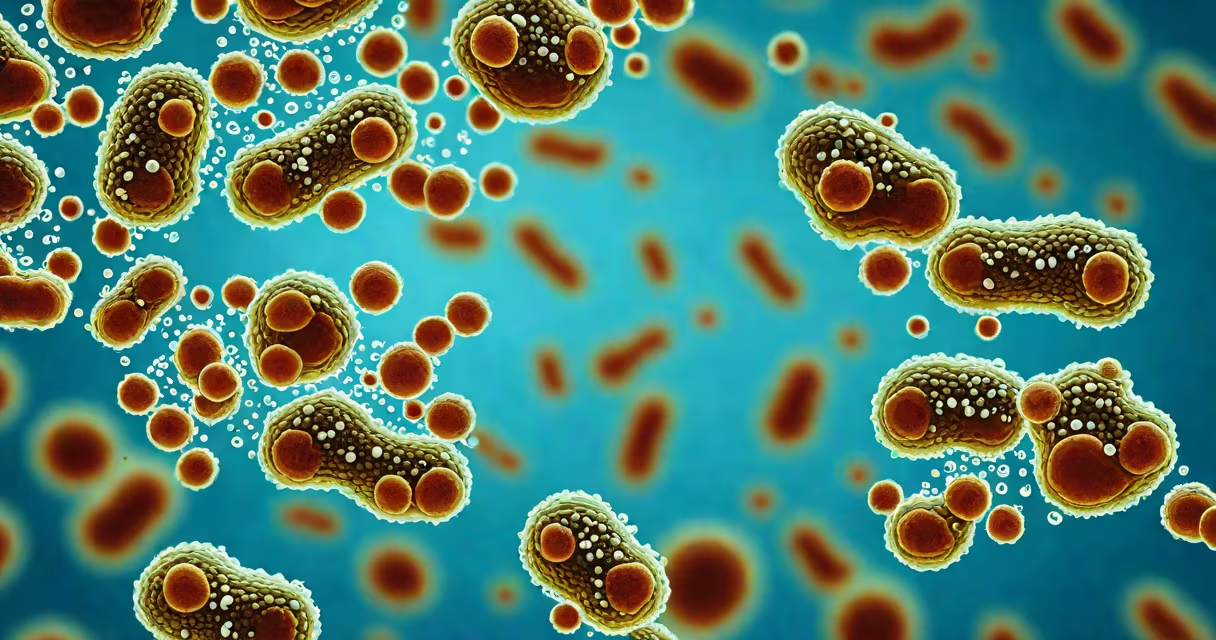
klebsiella pneumonia sputum refers to mucus expelled from the lungs during coughing that contains Klebsiella pneumoniae, a Gram-negative bacterium capable of causing severe pneumonia, especially in hospitalized or immunocompromised individuals. Its presence in sputum confirms a lower respiratory tract infection requiring targeted antibiotic therapy.
Klebsiella pneumoniae thrives in hospital environments and is frequently associated with healthcare-associated pneumonia. The bacterium produces a thick capsule that resists immune clearance and contributes to its ability to cause persistent infections. When sputum is collected and analyzed, the detection of K. pneumoniae indicates active disease rather than contamination, particularly if the sample shows high bacterial counts and few oral flora cells.
Sputum analysis begins with specimen collection. Patients are instructed to cough deeply to produce lower airway secretions, not saliva. A properly obtained sample minimizes contamination from normal mouth flora. Once collected, the sputum undergoes Gram staining and culture. In Gram stain, K. pneumoniae appears as large, rod-shaped bacteria that do not take up the crystal violet dye (Gram-negative). Culture on blood agar reveals mucoid, glistening colonies-distinctive due to their capsular polysaccharide production.
| Type of Sputum | Appearance | Common Pathogens | Diagnostic Significance |
|---|---|---|---|
| Clear/white | Thin, watery | Viruses, mild bacterial infections | Low suspicion for serious bacterial pneumonia |
| Yellow/green | Thick, viscous | Pseudomonas aeruginosa, Klebsiella pneumoniae | High suspicion for bacterial pneumonia; requires culture |
| Bloody | Reddish, streaked | Tuberculosis, fungal pathogens, trauma | Requires urgent evaluation and special stains |
Not all sputum samples containing Klebsiella pneumoniae represent true infection. Contamination from upper airway flora can mimic disease. A valid diagnosis requires clinical correlation-fever, hypoxia, infiltrates on chest X-ray-and microbiological evidence such as >25 leukocytes per low-power field and fewer than 10 squamous epithelial cells per high-power field in the Gram stain. These criteria distinguish lower airway secretion from oral contamination.
One common misconception is that Klebsiella pneumoniae always causes severe illness. While it is a frequent cause of nosocomial pneumonia and can lead to necrotizing pneumonia or empyema, some patients-especially those with chronic obstructive pulmonary disease (COPD)-may carry the organism asymptomatically. In one study, 12% of COPD patients admitted with acute exacerbations had K. pneumoniae isolated from sputum without meeting full pneumonia criteria, highlighting the need for careful interpretation.
A 68-year-old man with diabetes and recent hospitalization presented with fever, productive cough, and worsening shortness of breath. His sputum was greenish and purulent. Gram stain showed numerous Gram-negative rods and neutrophils. Culture confirmed K. pneumoniae with resistance to ampicillin but sensitivity to ceftriaxone. He was treated with IV ceftriaxone and improved within 72 hours. This case illustrates how klebsiella pneumonia sputum identifies both pathogen and appropriate therapy.
When Klebsiella pneumoniae is detected in sputum, clinicians must assess whether the isolate is resistant to antibiotics. Carbapenem-resistant Enterobacteriaceae (CRE) strains are increasingly reported in healthcare settings. A 2022 CDC report documented that 27% of K. pneumoniae isolates from hospitalized patients in U.S. intensive care units were carbapenem-resistant. Testing for extended-spectrum beta-lactamase (ESBL) or carbapenemase genes is essential before initiating therapy.
Another key distinction: klebsiella pneumonia sputum is not synonymous with community-acquired pneumonia. Most cases occur in hospitals or long-term care facilities. Community-onset cases are less common and often linked to alcoholism or underlying lung disease. The epidemiology differs -community cases typically involve younger adults with risk factors like smoking or chronic illness, while hospital-acquired cases affect older, frail patients.
I once observed a patient in a medical ward whose sputum culture grew K. pneumoniae. Initial treatment with amoxicillin failed. Re-testing revealed ESBL production. Switching to meropenem led to rapid improvement. This reinforced that sputum results must inform ongoing management-not just initial decisions.
Accurate diagnosis relies on proper specimen handling. Sputum should be processed within two hours of collection or refrigerated. Delayed processing increases contamination risk. Laboratories use quantitative culture thresholds-typically >10^4 CFU/mL-to confirm significant growth. Lower counts may reflect colonization.
Understanding klebsiella pneumonia sputum enables timely intervention. It is not merely a lab finding-it signals a treatable condition with clear diagnostic and therapeutic pathways. Recognizing its significance improves outcomes in vulnerable populations.