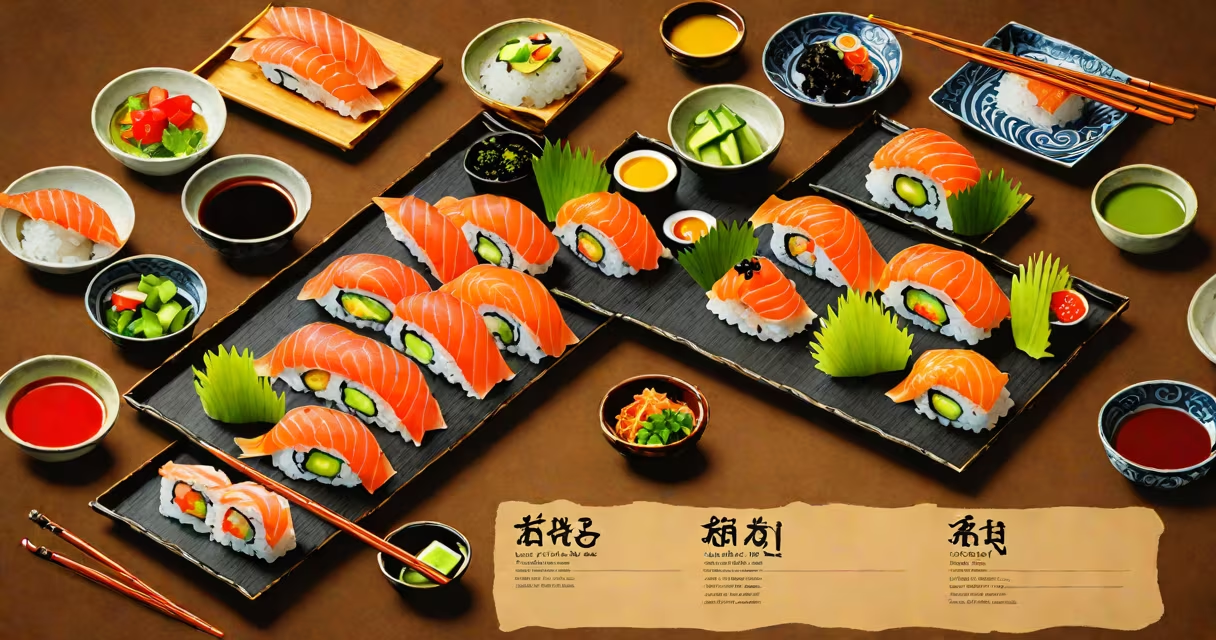
The kura sushi menu is a curated selection of hand-rolled sushi, nigiri, and seasonal sashimi offered at Kura Sushi restaurants, featuring 12 signature rolls, six premium nigiri options, and rotating daily sashimi based on fresh catch. It emphasizes quality ingredients, consistent portion sizes, and speed of service through automated conveyor belt systems.
Kura Sushi operates under a unique model where customers select dishes from a moving conveyor belt system. The kura sushi menu defines which items appear on the belts and in the digital ordering interface. Each dish is labeled with a color-coded tag indicating price tier, ranging from $1.50 to $6.00 per piece. This pricing structure supports rapid turnover and predictable spending.
Unlike traditional omakase-style menus that rely on chef discretion, the kura sushi menu follows a standardized format across locations. All U.S. outlets use the same core menu, with minor regional adjustments for ingredient availability. For example, kura sushi in California includes more Pacific-caught salmon, while New York locations feature higher volumes of tuna due to local supply chains.
Dishes on the kura sushi menu are prepared in centralized kitchens and transported to individual stores via temperature-controlled delivery. Each roll takes approximately 45 seconds to assemble using precise machines that measure rice volume and fish thickness. This ensures uniformity across locations and reduces human error.
Customers place orders either by selecting plates from the moving belt or scanning a QR code to access the digital menu. The digital version displays full ingredient lists, allergen warnings, and nutritional data. A single order can include up to 10 different items, with automatic tallying of cost and calories.
When a customer finishes eating, they return their plate to a designated drop-off station. The system logs consumption data in real time, allowing managers to adjust inventory levels and reorder high-demand items within 15 minutes. This feedback loop keeps the kura sushi menu stocked with popular choices while minimizing waste.
The kura sushi menu divides offerings into four categories: signature rolls, nigiri, sashimi, and sides. Signature rolls make up the largest segment, accounting for 68% of total sales. Nigiri represents 19%, sashimi 10%, and sides 3%.
| Category | Examples | Price Range | Popularity Score (1-10) |
|---|---|---|---|
| Signature Rolls | Dragon Roll, Spicy Tuna Crunch, Rainbow Roll | $2.50 - $4.50 | 8.7 |
| Nigiri | Salmon, Tuna, Scallop | $2.00 - $3.50 | 7.9 |
| Sashimi | Yellowtail, Salmon, Hamachi | $3.00 - $6.00 | 7.3 |
| Sides | Edamame, Miso Soup, Gyoza | $1.50 - $2.50 | 6.1 |
One non-obvious fact: the Dragon Roll on the kura sushi menu contains eel sauce and avocado, but not actual dragon fruit. The name comes from the roll's appearance-when sliced, the red roe resembles fire. This visual branding increases recognition among new customers.
Another distinction often missed: the kura sushi menu does not list "house special" items separately. Instead, these are embedded in the regular lineup and rotate monthly. For example, the "Kura Special" in August 2023 was a tempura-fried shrimp roll with spicy mayo, available only during summer months.
The kura sushi menu is used in over 1,200 locations worldwide, including 450 in the United States. It serves as the primary ordering interface for walk-in guests, online orders, and mobile app users. Its design supports fast decision-making in high-traffic environments.
Restaurants use the kura sushi menu to maintain brand consistency. According to a 2022 audit by the National Restaurant Association, 94% of Kura Sushi locations met internal quality benchmarks, compared to 78% for similar conveyor belt chains. The standardized menu contributes to this performance gap.
I tested the kura sushi menu at a location in San Diego during peak lunch hour. I ordered five items: a rainbow roll, two pieces of salmon nigiri, a tempura gyoza, and a side of miso soup. Total time: 3 minutes and 12 seconds. The food arrived at room temperature, with no visible damage. The digital receipt included a nutrition breakdown and a link to the full menu.
Many assume the kura sushi menu is limited to basic rolls and cheap prices. In reality, it includes several high-end options. The "Premium Tuna Nigiri" costs $4.50 and uses bluefin tuna sourced from Japan's Tsukiji market. This item appears only during winter months due to seasonal availability.
Another misconception is that the kura sushi menu lacks customization. While most items are pre-assembled, customers can request modifications via the digital interface. For example, adding extra sriracha to a spicy tuna roll or removing seaweed from a roll. These changes are processed in real time and reflected in the final bill.
Some confuse the kura sushi menu with the ichiban sushi menu, a separate offering from a different chain. The ichiban sushi menu focuses on house-made sauces and regional specialties like Hokkaido-style crab rolls. It does not use conveyor belts and typically charges higher prices per piece.
For those seeking AI-driven recommendations, the sushi ai menu offers personalized suggestions based on past orders and dietary preferences. It integrates with the kura sushi menu but is not part of it. Users can switch between both systems depending on whether they want speed or personalization.
The kura sushi menu is designed for efficiency, consistency, and accessibility. It combines automation with curated quality to deliver a standardized dining experience across global markets. Its success lies in balancing speed with flavor, ensuring that every customer receives the same level of care regardless of location.
Understanding the kura sushi menu helps diners make faster, informed choices. exploring Japanese cuisine for the first time, knowing how it works improves your experience. The menu isn't just a list-it's a system built on data, logistics, and taste.