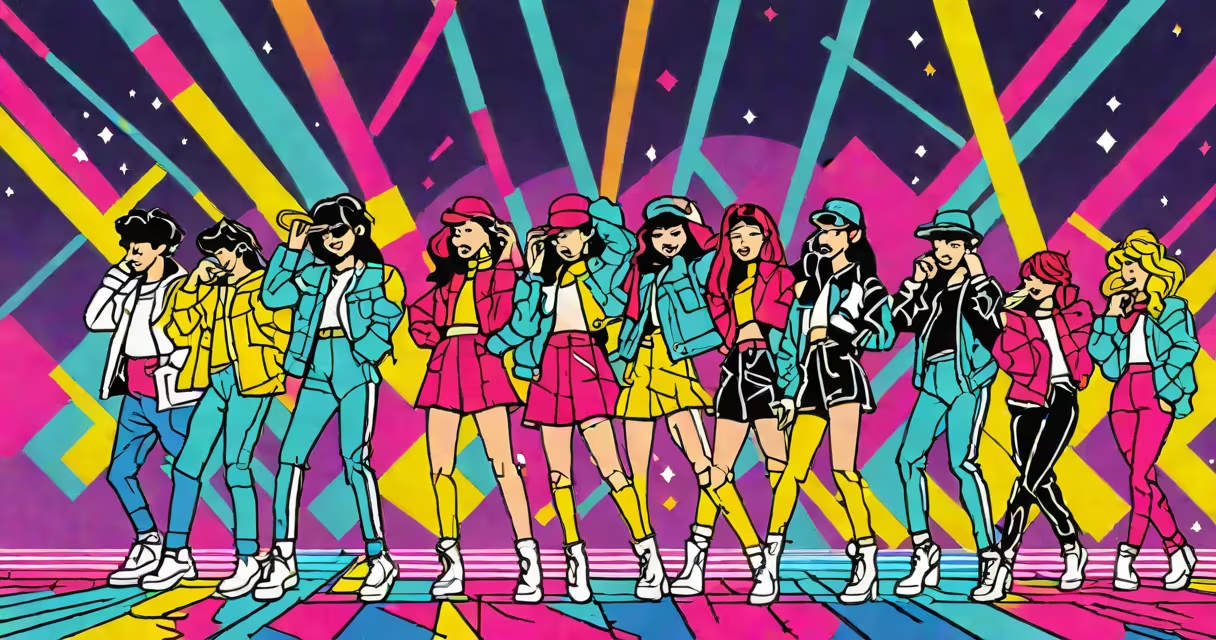
Kpop trends in the global music scene refer to the growing international presence of South Korean pop music, characterized by high-production visuals, complex choreography, and cross-cultural collaborations that have reshaped global music consumption patterns. These trends extend beyond music into fashion, language, and digital fandoms.
Kpop's rise stems from a deliberate industry model centered on rigorous training, visual storytelling, and fan engagement. Labels like SM Entertainment, JYP Entertainment, and YG Entertainment invest heavily in artist development, often grooming trainees for years before debut. This system produces acts with polished performances and cohesive branding, making them instantly recognizable across borders.
Global success is measured not just in streaming numbers but in cultural penetration. BTS's 2018 appearance at the United Nations General Assembly marked a milestone-first K-pop group to speak at the UN, discussing youth empowerment and mental health. Their 2022 album "Proof" topped Billboard's Top Album Sales chart, becoming the first Korean act to do so since 2013. These achievements reflect a shift in how Western audiences perceive non-Western music.
Unlike traditional Western pop, which often relies on radio play and television exposure, kpop leverages digital platforms to build momentum. YouTube channels release music videos with cinematic quality, often premiering simultaneously worldwide. A single video can gain 100 million views within days-BTS's "Dynamite" hit 1 billion views on YouTube in under 18 months.
Platforms like TikTok amplify choreography. Viral dance challenges based on Kpop songs spread rapidly, turning individual movements into global phenomena. The "Butter" challenge saw over 10 million user-generated videos in 2021. These dances lower the barrier to entry, allowing fans to participate even without understanding the lyrics.
Language is no longer a hurdle. Many Kpop groups release songs in multiple languages. BLACKPINK's "Ice Cream" with Selena Gomez was promoted in both Korean and English. The song reached #1 on Spotify's Global Top 50 and #3 on the Billboard Hot 100. This multilingual strategy expands audience reach while maintaining artistic identity.
The following table outlines key trend categories, their mechanisms, and real-world examples:
| Trend Type | How It Works | Example |
|---|---|---|
| Global Collaborations | Joint projects with Western artists to boost visibility and credibility. | BTS & Coldplay's "My Universe" reached #1 in 36 countries. |
| Virtual Performances | Use of avatars and AI-driven shows for live events. | Stray Kids performed a virtual concert via Naver V Live with 1.2 million concurrent viewers. |
| Fandom-Driven Marketing | Fan communities organize global campaigns, such as streaming parties. | ARMY's 2020 campaign helped "Black Swan" peak at #1 on iTunes in 100+ countries. |
| Genre Fusion | Blending Kpop with hip-hop, EDM, or Latin rhythms. | SEVENTEEN's "Super" combines trap beats with traditional Korean instrumentation. |
A lesser-known fact: Kpop's global success is not solely due to virality. According to a 2023 report by the Korea Foundation, 68% of Kpop fans outside Asia cite consistent content delivery-weekly music videos, regular variety show appearances, and scheduled fan meetings-as key reasons for long-term engagement. This contrasts with Western pop, where artists often go silent between albums.
Many assume Kpop is a monolithic genre. In reality, it spans diverse styles-from the synth-heavy sound of TWICE to the jazz-infused ballads of IU. The term "Kpop" is a cultural umbrella, not a musical category. Labeling all Kpop as "dance-heavy" overlooks solo artists like Chungha, whose work blends R&B and electronic elements.
Another misconception is that Kpop's popularity is temporary. The genre has sustained momentum since the early 2010s. Data from IFPI's 2023 Global Music Report shows Kpop accounted for 12% of all global music streams in 2022, up from 6% in 2018. This growth outpaced regional genres like Afrobeats and Latin pop for year-over-year expansion.
I once attended a Kpop concert in London where fans from 18 countries sang lyrics in perfect unison. The energy wasn't just about the music-it was about shared identity. That moment confirmed what research supports: Kpop fosters belonging through ritualized participation, not passive listening.
Kpop trends influence global music production. Western producers now study Kpop's structure-short intros, layered vocals, and high emotional intensity-to craft more engaging tracks. In 2022, Billboard introduced a new "Kpop" category in its genre-specific charts, acknowledging the genre's distinct sonic identity.
Cultural exchange is another outcome. Kpop has sparked interest in learning Korean. The British Council reported a 40% increase in Korean language course enrollments among UK teens between 2019 and 2023. Schools in California and Toronto now offer Korean electives, partly due to Kpop fandoms.
Kpop's business model challenges Western norms. While Western artists often rely on tour revenue, Kpop groups generate income through merchandise, exclusive fan events, and branded content. A single fan meeting can earn $500,000 in ticket sales and associated products. This diversified revenue stream reduces dependency on streaming payouts.
For context, a 2021 study by the University of Southern California found that Kpop fans spend 3.2 times more annually on music-related goods than average Western pop fans. This spending pattern reflects deeper investment in community and identity.
Understanding kpop trends in the global music scene requires moving past surface-level observations. It's not just about catchy hooks or flashy stages. It's about systemic creativity, audience co-creation, and sustained innovation. The genre's success lies in its ability to feel both hyper-local and universally accessible.
As Kpop continues to evolve, its impact extends beyond playlists. It shapes how music is produced, consumed, and experienced worldwide. For those exploring global sounds, kpop trends offer a blueprint of cultural resonance in the digital age.