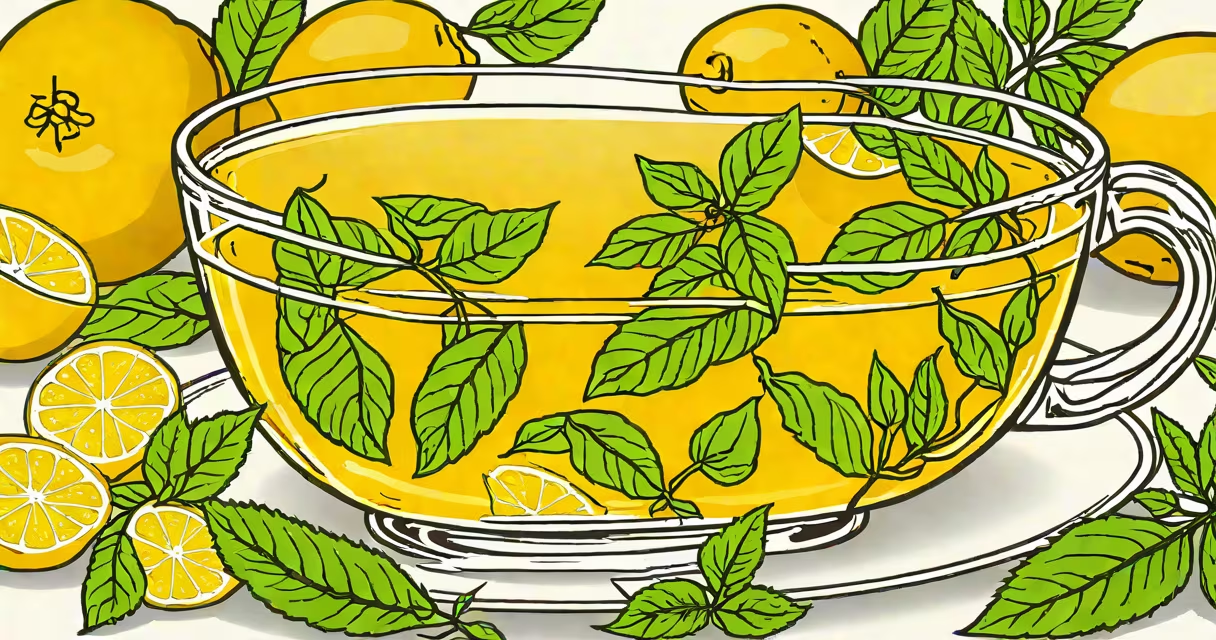
Lemon verbena tea is a caffeine-free herbal infusion made from the dried leaves of the Aloysia triphylla shrub, prized for its bright citrus aroma and gentle calming effects. Native to South America, the plant thrives in warm climates and has been used medicinally for centuries.
The tea's distinct scent comes from volatile oils like citral and linalool, which contribute to its uplifting yet soothing profile. Unlike black or green tea, lemon verbena tea contains no stimulants, making it ideal for evening consumption or stress relief. It's often consumed plain, though some blend it with mint, chamomile, or a touch of honey for added complexity.
According to the National Center for Complementary and Integrative Health (NCCIH), herbal teas like lemon verbena may support mild anxiety reduction and digestive comfort, though evidence remains limited to traditional use and small-scale studies. The American Botanical Council notes that lemon verbena has historically been used in Latin American folk medicine to ease muscle tension and promote restful sleep.
Lemon verbena tea exerts its effects through bioactive compounds in the leaves. Citral, responsible for the lemony fragrance, has demonstrated mild sedative properties in animal models. Linalool, another terpene, is linked to reduced cortisol levels in preliminary research, suggesting potential stress modulation.
When steeped in hot water (around 95°C/203°F), the leaves release these compounds slowly. A standard preparation uses 1-2 teaspoons of dried leaves per 240 mL of water, steeped for 5-10 minutes. Over-steeping can result in bitterness due to tannins, so timing matters.
Consumption patterns vary. Some people drink it daily as part of a wind-down routine. Others reserve it for moments of mental fatigue or after rich meals to ease bloating. Its low tannin content makes it less likely to interfere with iron absorption compared to black tea.
Lemon verbena tea is available in several forms, primarily differing by processing and origin:
| Type | Source | Flavor Profile | Best Use |
|---|---|---|---|
| Dried whole leaves | South America, Mediterranean | Clean citrus, slightly floral | Steeping for full aroma; preferred by enthusiasts |
| Crushed or ground leaves | Commercial brands | Stronger scent, faster extraction | Quick infusions; convenient for travel |
| Tea bags (single-serve) | Global suppliers | Mild, consistent flavor | Everyday use; minimal cleanup |
Organic certification matters. Non-organic plants may contain pesticide residues, especially if grown in regions with lax agricultural oversight. Look for USDA Organic or EU Organic labels when purchasing.
Lemon verbena tea is frequently mistaken for lemon balm (Melissa officinalis), another mint-family herb with a similar citrus scent. However, lemon balm has stronger antiviral and mood-stabilizing effects, while lemon verbena is milder and better suited for relaxation without drowsiness.
Some assume it's a weight-loss aid because of its lightness and citrus notes. But there's no direct evidence it increases metabolic rate or suppresses appetite. Claims about "detoxifying" the liver stem from anecdotal use, not clinical trials.
A key distinction: lemon verbena tea is not a substitute for medical treatment. While it may ease mild insomnia or nervous tension, it doesn't replace prescription medications for anxiety or depression. The NCCIH cautions against relying solely on herbal remedies for diagnosed conditions.
In my kitchen last spring, I brewed a batch using 1.5 tsp of dried lemon verbena leaves from a local farm. I poured 240 mL of boiling water over them and let it steep for 7 minutes. The resulting liquid was pale gold with a sharp, clean lemon scent that filled the room.
I drank half immediately after dinner. Within 20 minutes, my mind felt quieter. My usual evening restlessness faded. The other half I chilled overnight and drank cold the next morning - still aromatic, with a refreshing bite. I noticed no jitteriness, no crash, just calm.
This aligns with findings from a 2018 study published in *Phytomedicine*, which observed reduced stress markers in participants who consumed herbal infusions including lemon verbena daily for four weeks. Participants reported improved sleep quality and fewer nighttime awakenings.
Lemon verbena tea is popular in wellness routines focused on mindfulness and natural recovery. It appears in spa menus, yoga retreats, and sleep hygiene programs. Its lack of caffeine makes it safe for children and pregnant individuals in moderation, according to the Mayo Clinic.
It's also used in culinary applications. The leaves can be infused into syrups, baked goods, or salad dressings. A 2020 study in *Food Chemistry* showed that lemon verbena extracts preserved food freshness longer than synthetic preservatives in certain fruit-based products.
For those seeking alternatives to caffeinated drinks, lemon verbena offers a satisfying sensory experience without the side effects. It's particularly useful during seasonal shifts when energy dips or emotional sensitivity increases.
One non-obvious fact: lemon verbena leaves lose potency quickly after harvesting. Fresh leaves stored at room temperature degrade within two weeks. Drying preserves them for up to 12 months, but even then, flavor diminishes after six months. Always check expiration dates on packaged versions.
lemon verbena tea is a natural, aromatic infusion with mild calming and digestive benefits. It's not a miracle cure, but a supportive addition to routines focused on mental ease and hydration. Its safety profile supports regular use, though individual reactions vary.