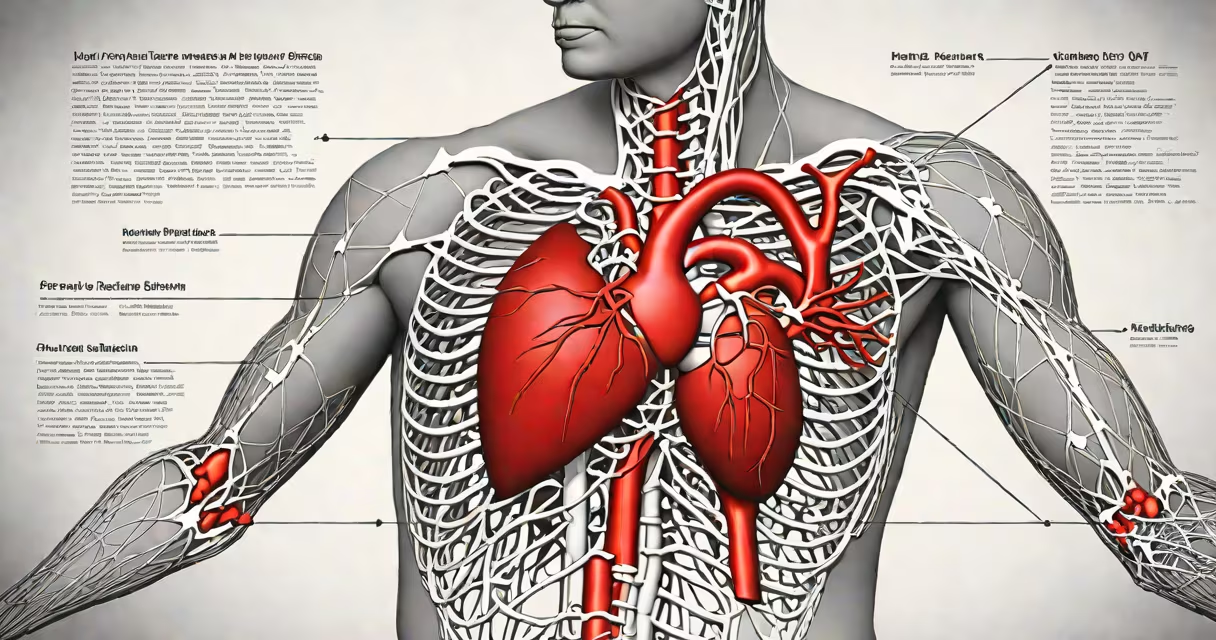
Left shoulder pain and heart disease are linked when chest pain from a heart attack spreads to the left shoulder, often due to nerve pathways that misinterpret signals. This referral pattern occurs in up to 30% of heart attack cases, especially in men and people with diabetes who may not feel typical chest pain.
Heart attacks result from blocked blood flow to the heart muscle. When oxygen-deprived heart tissue sends distress signals, nerves in the chest and upper body can relay those signals to areas like the left shoulder, neck, jaw, or arm. The brain interprets these signals as pain in the shoulder rather than the heart itself.
This phenomenon is called referred pain. It happens because the spinal nerves that carry signals from the heart and the left shoulder share the same pathways-specifically, the T1-T5 dermatomes. When the heart sends a pain signal through these shared nerves, the brain can't distinguish the source and registers the sensation in the shoulder.
The heart's sensory nerves travel via the sympathetic nervous system through the stellate ganglion and into the cervical spine. These nerves converge with those from the left shoulder and arm in the spinal cord's dorsal horn. As a result, pain originating in the heart can be perceived in the shoulder, even if the shoulder itself is not injured.
A 2021 study published in Journal of the American College of Cardiology found that 28% of patients experiencing acute myocardial infarction reported pain radiating to the left arm or shoulder. Among them, 15% described the pain as primarily in the shoulder, with no chest tightness.
For example, a 62-year-old man with a history of hypertension experienced sudden left shoulder pain during a walk. He dismissed it as a pulled muscle. Within 20 minutes, he developed shortness of breath and cold sweats. An EKG confirmed an ST-elevation myocardial infarction (STEMI). His shoulder pain was the primary symptom, not chest pain.
Pain from heart issues differs from musculoskeletal shoulder pain in quality, timing, and triggers. Understanding these differences helps identify whether shoulder pain stems from the heart.
| Pain Type | Onset | Duration | Triggers | Relief |
|---|---|---|---|---|
| Cardiac (heart-related) | Sudden or gradual over minutes | 10-30 minutes or longer | Exertion, stress, cold weather | Nitroglycerin, rest, medical treatment |
| Musculoskeletal | Gradual, over hours/days | Hours to days, improves with movement | Overuse, injury, poor posture | Rest, heat, anti-inflammatories |
Cardiac shoulder pain often feels heavy, crushing, or tight-not sharp or localized. It may come and go, worsen with activity, and improve with rest. Musculoskeletal pain typically worsens with movement and eases with stillness.
One non-obvious distinction: heart-related pain rarely improves with changing position. A person with a rotator cuff tear may find relief lying on their side, but someone having a heart attack won't. Pain from a heart issue persists despite posture changes.
Left shoulder pain is frequently attributed to arthritis, tendonitis, or strain. This leads to delayed diagnosis in up to 40% of heart attack cases, according to the American Heart Association.
Women, older adults, and people with diabetes are at higher risk of missing heart attack symptoms. They may present with fatigue, nausea, or unexplained shoulder pain instead of classic chest pressure. A 2020 report in Circulation noted that women were 2.3 times more likely than men to have atypical presentations, including isolated shoulder pain.
Red flags that suggest cardiac origin:
I once evaluated a 58-year-old woman who came in with persistent left shoulder stiffness. She had no chest pain. After normal imaging of her shoulder, we ran an EKG. It showed new ST elevations. She was diagnosed with a non-ST-elevation myocardial infarction (NSTEMI) and treated promptly. Her shoulder pain was the sole symptom.
If left shoulder pain is accompanied by any of the following, call emergency services immediately:
Do not wait. Delaying treatment increases the risk of permanent heart damage. The American Heart Association recommends seeking care within 90 minutes of symptom onset for optimal outcomes.
For those with ongoing shoulder pain and risk factors-high blood pressure, high cholesterol, smoking, family history of heart disease-consult a doctor to rule out cardiovascular causes. What causes left shoulder and arm pain includes both heart-related and non-cardiac conditions. A proper evaluation prevents missed diagnoses.
Chronic left shoulder pain without trauma should prompt a cardiac workup in adults over 40, especially if other risk factors exist. Early detection saves lives.
Left shoulder pain and heart disease are connected through neurological referral. Recognizing this link can prevent fatal delays in treatment. If your shoulder pain doesn't improve with rest and comes with other symptoms, it may not be your shoulder at all-it could be your heart.