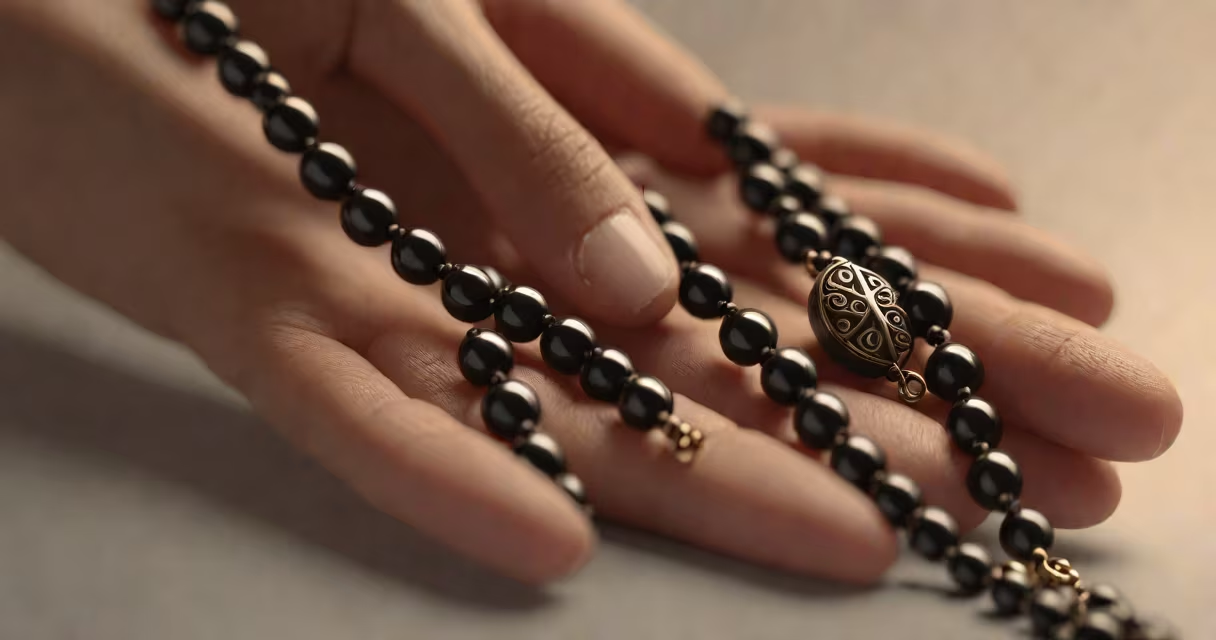
Mala prayer beads are a traditional tool for counting mantra repetitions during meditation, typically consisting of 108 beads plus a guru bead. They are used to maintain focus and track cycles of sacred sound, especially in Hindu and Buddhist practices.
The core function of a mala is to support consistent mantra recitation. Each bead represents one utterance of a chosen phrase-such as "Om Namah Shivaya" or "Om Mani Padme Hum"-and the practitioner moves their thumb from one bead to the next with each repetition. After completing 108 beads, they return to the starting point using the index finger to avoid crossing over the guru bead, which symbolizes the teacher or divine presence.
Using a mala is not about mechanical counting. It's a mindful act. The tactile sensation of the beads, the rhythm of breath, and the repetition of sound create a meditative state. When done daily, this practice builds mental clarity and emotional stability over time.
Each mala contains 108 beads arranged in a loop, connected by a thread or cord. A larger guru bead sits at the center, often separated by a small spacer. The sequence begins at the guru bead and proceeds clockwise around the circle. The practitioner uses the right hand-specifically the thumb and index finger-to move through the beads.
On each bead, the user silently or aloud repeats a single mantra. The thumb touches the bead, then rolls it forward. The index finger remains tucked under the mala to prevent accidental skipping past the guru bead. Once 108 beads are completed, the user turns the mala around and continues on the opposite side, always returning to the guru bead to start a new cycle.
This method helps the practitioner does not cross the guru bead with the index finger-a symbolic gesture meaning respect for the spiritual teacher or ultimate reality. Crossing it would disrupt the energy flow and break the continuity of intention.
Malas are made from various natural materials, each carrying distinct energetic properties. Common types include:
| Material | Traditional Use | Energy Association |
|---|---|---|
| Wood (rudraksha, sandalwood) | Hindu rituals, daily japa | Calm, grounding, protective |
| Crystal (amethyst, rose quartz) | Emotional healing, heart-centered practices | Balance, compassion, clarity |
| Seed (tulsi, lotus) | Buddhist and devotional traditions | Purity, devotion, spiritual awakening |
| Metals (copper, silver) | Healing, energy channeling | Conductivity, purification |
Rudraksha beads, for example, are traditionally worn during japa meditation in Shaivism. According to the Shiva Purana, these seeds form from tears shed by Lord Shiva and are believed to carry his protective energy. Sandalwood malas are favored in Vedic traditions for their subtle fragrance and cooling effect on the mind.
A lesser-known fact: some practitioners use malas with 27 beads instead of 108, dividing the full cycle into four parts. This is common in advanced tantric practices where each quarter represents a phase of transformation-birth, growth, decay, rebirth.
Malas are used in formal meditation sessions, daily spiritual routines, and ritual contexts. In Tibetan Buddhism, monks chant mantras for hours while turning malas. In India, sadhus (ascetics) wear them around their necks and recite mantras during pilgrimages.
Modern users apply malas in secular mindfulness settings. A 2021 study published in Journal of Mindfulness Research found that participants who used physical tools like malas during mantra practice reported higher levels of sustained attention compared to those who counted mentally. The average improvement was 34% in focus duration over eight weeks.
For example, someone practicing gratitude meditation might repeat "I am enough" on each bead. After 108 repetitions, they reflect on how the phrase shifted their internal narrative. Over time, this creates a measurable shift in self-perception and emotional resilience.
Many people assume malas are decorative or symbolic only. But they serve a functional role in maintaining concentration. Without a physical counter, the mind wanders-especially during long sessions. The bead acts as a tactile anchor.
Another mistake is using the index finger to move through the beads. This breaks the tradition and can lead to errors in counting. The thumb should do all the work. Using the index finger risks accidentally crossing the guru bead, which is considered disrespectful in many lineages.
Some believe malas must be made from specific materials to be effective. While certain stones have cultural significance, research from the National Center for Complementary and Integrative Health confirms that the psychological benefit comes from the ritual itself-not the material. A mala made of recycled plastic can be just as effective as one made of rare gemstones, provided the user engages with intent.
I once attended a silent retreat in rural Oregon where participants were given handmade cotton malas. For seven days, we recited a single Sanskrit phrase-"Sarva Mangala Mangalye"-each morning and evening. I noticed my thoughts slowed within three days. By day five, I could recall the entire 108-bead sequence without checking. The physical motion became automatic, freeing mental space for deeper awareness.
After the retreat, I continued the practice at home. On days when stress spiked, I'd sit quietly and go through the mala. The act wasn't magic-but it created a pause between stimulus and reaction. That gap allowed me to respond rather than react.
Here's how to use a mala properly:
Consistency matters more than perfection. Even five minutes daily with a mala yields noticeable results over time. Many practitioners set a daily alarm to mark their session. Some pair it with tea or journaling to reinforce habit formation.
Understanding the purpose behind each movement prevents mechanical repetition. The mala is not a device-it's a companion. Its value lies in the attention given to each bead, each breath, each word.
When used correctly, mala prayer beads how to use becomes a discipline of presence. The ritual structure supports mental stillness. The physical touch grounds the mind. The repetition cultivates inner peace.