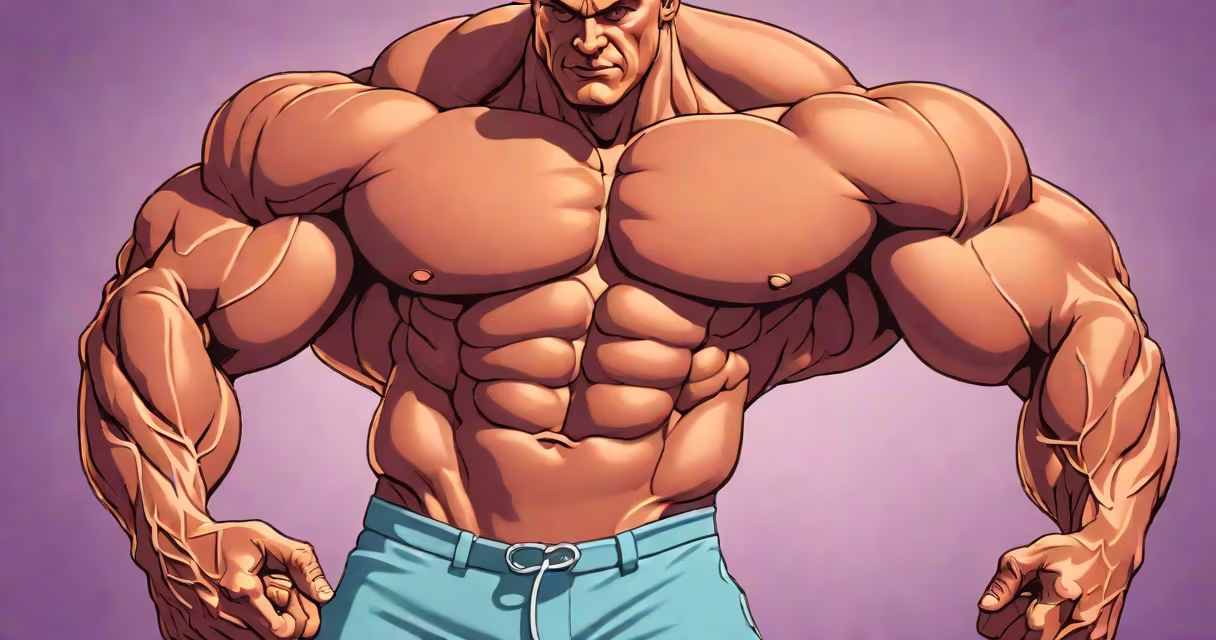
The male bodybuilder physique is a highly developed muscular form characterized by extreme muscle size, symmetry, and low body fat, achieved through years of structured resistance training, precise nutrition, and strict competition preparation. This physique is optimized for stage presentation and judged on proportion, detail, and aesthetic balance.
It is not simply being "strong" or "fit." The male bodybuilder physique results from deliberate manipulation of training volume, rest periods, and caloric intake to maximize muscle hypertrophy while minimizing subcutaneous fat. Competitors often train six days a week, perform 15-20 sets per muscle group weekly, and follow a diet that shifts between bulking and cutting phases lasting months.
For example, a professional male bodybuilder preparing for the Mr. Olympia contest may spend 16 weeks in a cutting phase, reducing body fat from 12% to under 6%, while maintaining or increasing muscle mass through high-protein diets (around 2.2 grams of protein per kilogram of body weight daily) and periodized training cycles. This level of precision separates the competitive physique from general strength or fitness goals.
Training for the male bodybuilder physique centers on progressive overload-systematically increasing resistance over time to stimulate muscle growth. Workouts typically last 60-90 minutes and focus on compound movements like barbell squats, deadlifts, bench presses, and pull-ups, combined with isolation exercises such as cable flyes and leg extensions to target specific muscle groups.
Recovery is equally critical. Muscle grows during rest, not during lifting. Professional bodybuilders average 8-10 hours of sleep nightly and incorporate active recovery techniques like foam rolling, stretching, and low-intensity cardio. They also track training variables such as reps, sets, load, and rest intervals using detailed logs to ensure consistent progression.
A common misconception is that high-volume training alone produces the physique. In reality, genetics play a significant role-some individuals naturally build muscle faster or retain it better under calorie restriction. However, even genetically gifted athletes require disciplined routines. A study published in the Journal of Strength and Conditioning Research found that consistent training with progressive overload led to 2.5 times greater muscle gain over 12 weeks compared to non-periodized programs (Schoenfeld et al., 2017).
The male bodybuilder physique is evaluated on several measurable traits:
| Characteristic | Description | Typical Range |
|---|---|---|
| Body fat percentage | Subcutaneous fat layer thickness | 6-8% (stage-ready) |
| Muscle mass index | Lean mass relative to height | 25-30 kg/m² (high end) |
| Proportion score | Balance between upper and lower body | 9/10 or higher (judged) |
| Detail and vascularity | Definition of muscle fibers and visible blood vessels | High (post-cutting) |
These metrics are assessed during posing routines and static poses. Judges look for symmetry-arms should appear equal in size, shoulders should flare evenly, and the chest should show clear separation between pectoral heads. A lack of symmetry can cost points even with high muscle mass.
One non-obvious factor is hormonal regulation. Many elite competitors use exogenous testosterone and other anabolic agents under medical supervision to improve muscle retention and recovery. While banned in amateur competitions, they are permitted in certain professional circuits under strict guidelines. The International Federation of BodyBuilding & Fitness (IFBB) requires athletes to undergo regular drug testing and report all supplements used.
The male bodybuilder physique is frequently mistaken for general fitness or powerlifting builds. Powerlifters prioritize maximal strength and functional performance, resulting in broad, dense frames with less visible muscle detail. Their training emphasizes heavy loads with low reps (1-5), whereas bodybuilders use moderate loads with higher reps (8-12) to increase metabolic stress and muscle fiber recruitment.
Another confusion arises with athletic builds seen in sports like football or rugby. These athletes develop muscle through explosive movement and sport-specific conditioning. Their physiques are useful but not symmetrical or highly defined. For example, a National Football League player may have 220 pounds of muscle but carry 14% body fat-too high for stage competition.
I once observed a male bodybuilder at a regional show who had trained for 18 months to reach 6% body fat. His quads were visibly separated, his delts flared wide, and his abs showed full rectus abdominis definition. He won the title not because he was the biggest, but because his symmetry and posing execution scored highest. That moment reinforced that the physique is as much about presentation as it is about size.
While the male bodybuilder physique is defined by aesthetics and competition standards, other male body types serve different purposes:
The male bodybuilder physique is not a natural outcome of exercise alone. Even with perfect training and diet, most people cannot achieve a 6% body fat level without medical or supplemental support. The human body adapts to energy deficit by breaking down muscle tissue. Only those with strong discipline, genetic predisposition, and access to advanced nutritional strategies can sustain such levels long enough to compete.
Understanding the male bodybuilder physique requires separating myth from method. It is not about looking "big"-it is about achieving a rare combination of size, definition, symmetry, and presentation. The process demands years of consistency, not shortcuts. Success comes not from copying a photo, but from mastering the science behind muscle growth, fat loss, and visual impact.
The male bodybuilder physique represents the pinnacle of physical transformation within a regulated structure. It is not a lifestyle choice for everyone, but it remains a benchmark of human potential in controlled training environments.