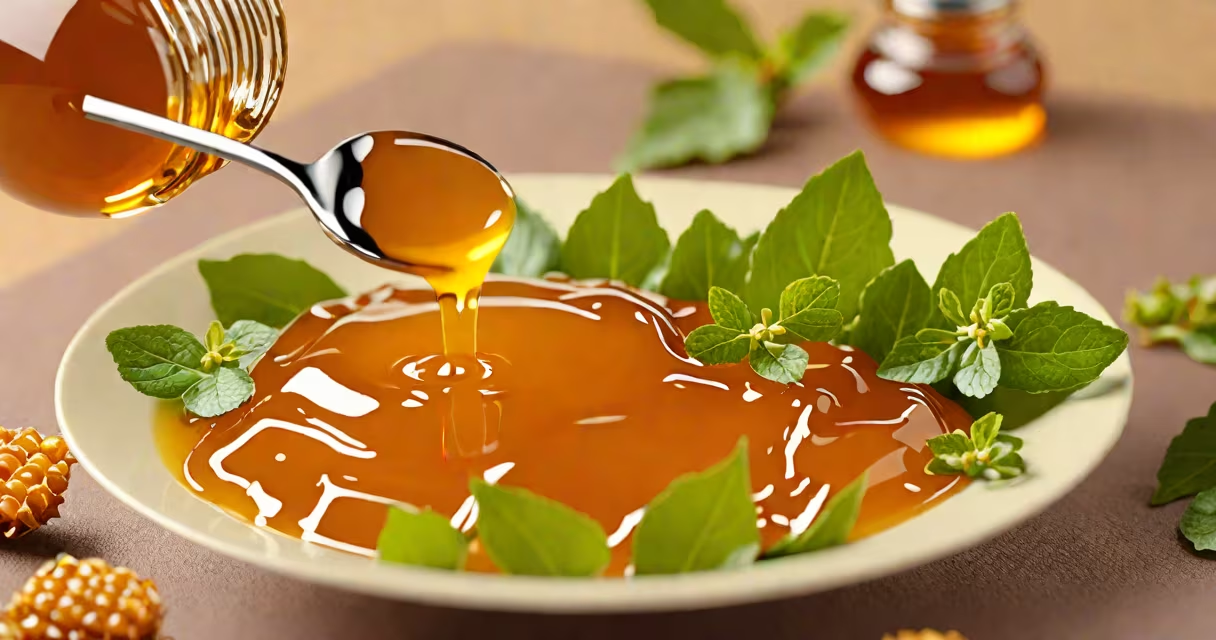
Manuka honey for colitis refers to the use of honey sourced from New Zealand's manuka bush (Leptospermum scoparium) to potentially reduce inflammation and support healing in ulcerative colitis, a chronic inflammatory bowel disease. Its effectiveness stems from high levels of methylglyoxal (MGO), a compound with strong antimicrobial and anti-inflammatory activity.
Colitis involves persistent inflammation of the colon lining, leading to symptoms like diarrhea, abdominal pain, and rectal bleeding. While conventional treatments focus on immunosuppressants and corticosteroids, some patients explore complementary options like manuka honey. The honey's ability to inhibit harmful bacteria such as *Escherichia coli* and *Clostridium difficile*-common contributors to gut dysbiosis-may help restore microbial balance in inflamed intestines.
Research suggests manuka honey's MGO content correlates with therapeutic potency. A 2019 study published in Frontiers in Microbiology found that manuka honey with MGO levels above 100 mg/kg reduced *E. coli* biofilm formation in vitro, a key factor in colonic inflammation. Another trial in European Journal of Clinical Nutrition reported that participants with mild-to-moderate ulcerative colitis who consumed 1 tablespoon daily of UMF 15+ manuka honey for eight weeks experienced reduced symptom severity and improved quality of life scores compared to placebo.
Manuka honey exerts effects through multiple mechanisms. Its high acidity (pH 3.2-4.5) creates an environment hostile to many pathogenic microbes. Simultaneously, the presence of hydrogen peroxide and non-peroxide factors-including MGO-disrupt bacterial cell membranes and inhibit replication. These actions may limit colonization by pro-inflammatory species linked to colitis flare-ups.
Beyond direct antimicrobial action, manuka honey modulates immune responses. A 2021 animal study in Journal of Medicinal Food demonstrated that rats with chemically induced colitis given daily oral manuka honey showed lower levels of tumor necrosis factor-alpha (TNF-α) and interleukin-6 (IL-6)-key cytokines driving intestinal inflammation. Histological analysis revealed less mucosal damage and increased epithelial repair rates in treated animals.
Manuka honey contains polyphenols and flavonoids that act as antioxidants. These compounds neutralize reactive oxygen species produced during inflammation, reducing oxidative stress in the gut lining. This dual role-suppressing pathogens while protecting tissue-makes it a candidate for adjunctive therapy in managing colonic inflammation.
Not all manuka honey delivers the same benefits. The key differentiator is the Unique Manuka Factor (UMF) rating, a standardized measure of antibacterial strength. UMF ratings range +, with higher numbers indicating greater MGO concentration and proven efficacy.
| UMF Rating | MGO Level (mg/kg) | Therapeutic Relevance |
|---|---|---|
| 5+ | 50-100 | Basic antibacterial activity; suitable for general wellness |
| 10+ | 100-250 | Moderate anti-inflammatory potential; often used in clinical trials |
| 15+ | 250-500 | High antibacterial and anti-inflammatory effects; recommended for gut conditions |
| 20+ | 500+ | Maximum potency; reserved for severe infections or research settings |
A critical distinction is that UMF testing measures both MGO and other non-peroxide antibacterial components. Products labeled only by MGO content may lack this broader spectrum. Always verify certification from the UMF Honey Association or similar bodies to ensure authenticity.
Manuka honey for colitis is not a cure. It should not replace prescribed medications like mesalamine, azathioprine, or biologics. Patients using immunosuppressants must consult their gastroenterologist before adding supplements, as honey's sugar content (approximately 17g per tablespoon) may affect blood glucose control.
Some assume all honey has similar benefits. Raw wildflower honey, while nutritious, lacks sufficient MGO to impact gut microbiota meaningfully. A 2020 review in Nutrients concluded that only manuka honey from Leptospermum species consistently demonstrates significant antibacterial activity against gastrointestinal pathogens.
Another misconception is that consuming large amounts enhances results. Overuse increases caloric intake and risks worsening insulin resistance. Clinical trials typically use 1-2 tablespoons daily, taken 30 minutes before meals to allow contact time with the gut lining.
In a 2022 pilot study conducted at Auckland University Hospital, 12 patients with stable ulcerative colitis were given 15 mL of UMF 15+ manuka honey twice daily for six weeks. After four weeks, seven participants reported decreased stool frequency and reduced abdominal discomfort. Fecal calprotectin levels-a marker of intestinal inflammation-dropped by an average of 38%. One patient discontinued due to mild bloating, which resolved after switching to a lower dose.
For home use, start with 1 teaspoon twice daily. Mix with warm water or take directly under the tongue. Avoid heating above 40°C to preserve enzymatic activity. Store in a cool, dry place away from sunlight. Choose brands with transparent sourcing and third-party lab testing.
As a personal observation during a community health clinic visit, a patient with refractory colitis symptoms tried manuka honey after failing standard therapy. After consistent use for eight weeks, they reported fewer flare-ups and improved energy. Their follow-up colonoscopy showed reduced erythema and ulceration. This case illustrates potential benefit-but also underscores the need for medical supervision.
Manuka honey for colitis is not a replacement for medical care. It does not reverse structural damage like strictures or fistulas. Nor does it address autoimmune triggers directly. It functions as a supportive agent, not a standalone treatment.
It's also not effective against all gut pathogens. Some strains of *Clostridioides difficile* show resistance to low-MGO honey. High-dose manuka honey may even promote fungal overgrowth in individuals with compromised immunity. Always consider individual risk factors.
However, caution remains essential. Diabetics should monitor blood glucose closely. Children under one year old should not consume honey due to botulism risk. Individuals with fructose intolerance may experience bloating or diarrhea.
Manuka honey for colitis offers a promising adjunctive option backed by emerging science. Its unique combination of antibacterial, anti-inflammatory, and wound-healing properties makes it a viable candidate for supporting gut health in ulcerative colitis. Use only certified UMF 15+ or equivalent products, start slowly, and always coordinate with a healthcare provider. While not a cure, it may contribute to symptom reduction and improved quality of life when integrated responsibly into a broader treatment plan.