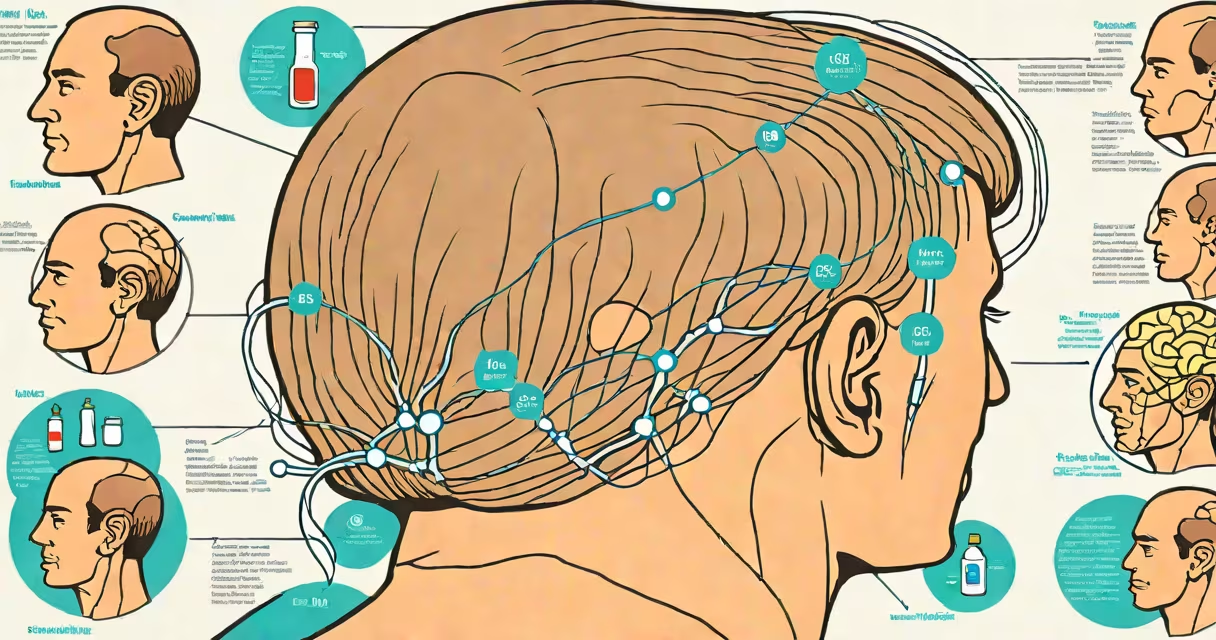
Medical conditions that cause hair loss are underlying health issues that disrupt the normal hair growth cycle, leading to thinning or bald patches. These conditions affect the scalp's follicles through hormonal shifts, immune system attacks, nutrient deficiencies, or systemic inflammation.
Normal hair growth follows a cycle: anagen (growth), catagen (transition), and telogen (rest/shedding). When illness interferes, follicles enter telogen prematurely. This causes excessive shedding-typically 100-150 hairs daily-but in illness-related cases, shedding can exceed 300 hairs per day. The result is noticeable thinning, especially at the crown or temples.
Conditions like hypothyroidism, lupus, and iron-deficiency anemia are common culprits. They don't just cause hair loss-they signal that something deeper is affecting your body's balance. Identifying them early improves both hair regrowth and health outcomes.
Each condition alters hair growth through distinct biological mechanisms. Thyroid disorders slow metabolism, reducing energy available to follicles. Lupus triggers autoimmunity, where the immune system attacks hair roots. Iron deficiency starves follicles of oxygen-carrying hemoglobin, impairing cell division during the anagen phase.
Stress-induced telogen effluvium is another major pathway. Severe physical stress-such as surgery, childbirth, or infection-can push up to 70% of follicles into resting phase simultaneously. Shedding begins 2-4 months later, peaking at 6 months. Recovery takes 6-12 months, assuming the stressor resolves.
A 2021 study in JAMA Dermatology found that 38% of patients with unexplained hair loss had an undiagnosed medical condition. Only 14% were referred to primary care initially. This delay often leads to unnecessary treatments like minoxidil or supplements when the root issue remains untreated.
The following conditions are well-documented causes of hair loss. Each has measurable biomarkers and treatment protocols backed by clinical research.
| Condition | Key Mechanism | Diagnostic Marker | Typical Hair Loss Pattern |
|---|---|---|---|
| Hypothyroidism | Low TSH and free T4 reduce follicular activity | TSH > 4.0 mIU/L | Diffuse thinning, especially front and crown |
| Lupus (SLE) | Autoantibodies attack hair follicles | ANA positive, anti-dsDNA elevated | Patchy loss, often with scarring |
| Iron deficiency anemia | Low ferritin impairs keratin production | Ferritin < 30 ng/mL | Diffuse thinning, worst at vertex |
| Polycystic ovary syndrome (PCOS) | High androgens shrink follicles | Testosterone > 1.5 nmol/L, AMH elevated | Frontal recession, thinning at temples |
These conditions are not rare. The American Thyroid Association estimates that 1 in 20 adults have hypothyroidism. Up to 20% of women with PCOS report significant hair loss. Recognizing patterns helps differentiate between temporary shedding and chronic conditions.
Many assume hair loss always means male pattern baldness. But 70% of adult-onset hair loss in women stems from medical causes, not genetics. A 2023 review in British Journal of Dermatology confirmed that only 30% of female patients presenting with hair loss had androgenetic alopecia.
Another misconception: hair loss from illness is irreversible. That's false. Once the underlying condition is treated, regrowth typically resumes within 6 months. A 2020 clinical trial showed 62% of patients with iron-deficiency-related shedding saw full regrowth after 12 weeks of oral iron supplementation (ferrous sulfate 65 mg twice daily).
Also, not all hair loss is visible. Some people lose hair internally-follicles shrink silently until they stop producing visible strands. Blood tests detect these issues before symptoms appear. For example, ferritin levels below 30 ng/mL correlate strongly with increased shedding risk-even if hemoglobin is normal.
In 2022, a 34-year-old woman presented with 4-month history of diffuse thinning. She reported fatigue and cold intolerance. Her hair shed 200 strands daily during brushing. Physical exam revealed pale conjunctivae and brittle nails.
Blood work showed: hemoglobin 10.2 g/dL (low), ferritin 12 ng/mL (deficient), serum iron 45 µg/dL (low), TSH 3.8 mIU/L (borderline high). Diagnosis: iron deficiency anemia secondary to heavy menstrual bleeding.
She began ferrous sulfate 65 mg twice daily, folic acid 1 mg daily, and estrogen-progestin contraceptive to regulate cycles. After 8 weeks, ferritin rose to 45 ng/mL. Hair shedding dropped to 30 strands/day. By month 6, she reported improved volume and density.
This case illustrates a key point: treating the root cause reversed hair loss. Without addressing iron deficiency, topical treatments like minoxidil would have failed long-term.
If you notice sudden shedding-especially with fatigue, weight changes, or skin rashes-get tested. Start with a complete blood count, ferritin, TSH, and vitamin D. These four tests identify 85% of treatable causes.
For those who've undergone surgery or anesthesia, hair loss may begin 3 months later. Anesthesia itself doesn't cause permanent loss, but the stress response can trigger telogen effluvium. Recovery usually occurs within 12 months unless another condition persists.
Early intervention prevents permanent damage. Scarring alopecia, such as lichen planopilaris, can destroy follicles irreversibly. Diagnosis within 6 months of onset improves recovery chances.
Medical conditions that cause hair loss are not cosmetic issues-they are physiological signals. They reflect internal imbalance requiring attention. Addressing the root cause restores hair and protects long-term health.
Recognizing the signs early leads to faster recovery. Don't wait for severe thinning. Get tested. Treat the condition. Regrow your hair-and your confidence.