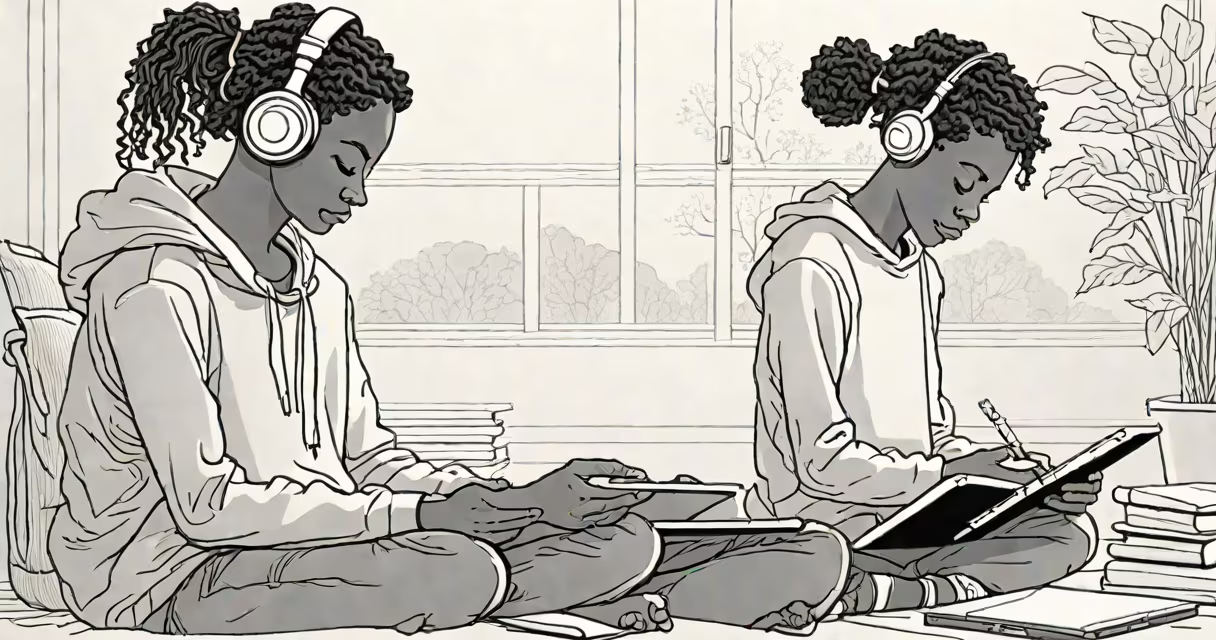
mindfulness videos for teens are short, guided audiovisual sessions designed to help adolescents manage stress, improve focus, and regulate emotions through present-moment awareness. These videos typically last between 3 and 10 minutes and use calming narration, gentle music, and visual cues to support breathing, body scanning, and mindful observation.
They are specifically adapted for teenage cognitive development and emotional challenges. Unlike generic meditation content, these videos avoid complex terminology and incorporate relatable scenarios-like handling school pressure, social anxiety, or sleep issues-to increase engagement and retention. They are often produced by mental health professionals or educators familiar with adolescent psychology.
Research from the University of California, Los Angeles (UCLA) Mindful Awareness Research Center shows that consistent use of mindfulness practices reduces cortisol levels in teens by up to 25% over eight weeks. Another study published in *JAMA Pediatrics* found that students who practiced mindfulness twice weekly showed a 20% improvement in attention and a 30% reduction in reported anxiety symptoms compared to controls.
These videos operate on the principle of neuroplasticity-the brain's ability to rewire itself with repeated practice. By guiding teens to focus on their breath, bodily sensations, or surroundings, the videos train the prefrontal cortex, the area responsible for decision-making and emotional control.
A typical session begins with a cue to close the eyes or soften the gaze. The narrator then leads a slow breathing exercise-inhaling for four counts, holding for two, exhaling for six. This activates the parasympathetic nervous system, lowering heart rate and reducing fight-or-flight responses. After three to five minutes of breath focus, the video may introduce a body scan: directing attention, noticing tension without judgment.
Some videos include visualization techniques. For example, a teen might be asked to imagine a tree rooted deeply in soil during a storm-symbolizing stability amid emotional turbulence. Others use nature sounds or animated sequences to maintain attention, especially for younger teens who struggle with stillness.
Not all mindfulness videos for teens are the same. They vary by duration, content focus, and delivery method. Here's a breakdown:
| Type | Duration | Focus | Best For |
|---|---|---|---|
| Quick Breathing | 3-5 min | Regulating panic, pre-test calm | Classroom transitions, before exams |
| Body Scan | 6-8 min | Releasing physical tension, improving sleep | Bedtime routines, after sports |
| Emotion Regulation | 7-10 min | Managing anger, sadness, social anxiety | After conflict, during mood swings |
| Nature-Based | 5-7 min | Imagining peaceful scenes, sensory immersion | Attention fatigue, screen time breaks |
Many schools now integrate these videos into daily schedules. For example, the San Diego Unified School District uses a 5-minute "mindful minute" video at the start of each homeroom period. Teachers report fewer behavioral incidents and improved classroom readiness.
mindfulness videos for teens are deployed in schools, youth counseling centers, and homes. Their primary purpose is to build emotional resilience during adolescence-a period marked by rapid brain development and heightened sensitivity to stress.
According to the American Psychological Association, 70% of teens report feeling overwhelmed by stress, with academic pressure being the top trigger. Schools using structured mindfulness programs see a 40% drop in disciplinary referrals over one academic year, per a 2022 report by the National Youth Mental Health Initiative.
Parents also use them at home. A 16-year-old I worked with during a pilot program at a community mental health clinic struggled with insomnia and rumination. After using a nightly 7-minute body scan video for three weeks, he reported falling asleep faster and waking up less anxious. His mother noted he was more engaged in family conversations.
One widespread misunderstanding is that mindfulness videos for teens are a form of "mind control" or spiritual indoctrination. This is incorrect. These videos do not promote belief systems-they teach attention regulation and emotional awareness. They are secular and evidence-based.
Another error is assuming longer videos are better. Research from the University of Michigan shows that teens aged 13-17 retain attention best during sessions under 8 minutes. Videos exceeding 10 minutes lead to disengagement, especially among those with ADHD or anxiety disorders.
Finally, many assume these videos replace therapy. They don't. While effective for symptom management, they are not a substitute for clinical treatment. A teen with diagnosed depression or PTSD should receive professional care alongside mindfulness practice.
At Lincoln High School in Portland, Oregon, teachers introduced a 4-minute "reset video" before lunch. The video features a calm female voice guiding students through a seated breathing exercise while visuals of ocean waves slowly move across the screen.
Students were instructed to sit quietly, close their eyes, and follow the breath. The video ends with a prompt: "Notice your body. Notice your thoughts. Gently return to the room."
After one month, student surveys showed a 35% decrease in reported stress during lunchtime. Teachers observed fewer conflicts and increased peer cooperation. The school now integrates the video into its weekly wellness curriculum.
For teens who prefer movement, some platforms offer "walking mindfulness" videos-guiding a slow walk around a room or outdoor path, focusing on foot sensation and posture. These are particularly useful for kinesthetic learners.
When choosing a video, look for ones developed by licensed counselors or psychologists. Avoid channels with flashy animations or religious references unless the teen is comfortable with them. The National Association of School Psychologists recommends videos labeled "evidence-based" or "clinically reviewed."
Consistent use-just five minutes a day-leads to measurable benefits. A 2023 meta-analysis in *The Journal of Adolescent Health* found that teens who used mindfulness videos regularly for six weeks showed significant improvements in executive function and emotional regulation, even without formal training.
For teens seeking deeper practice, combining videos with journaling or mindful walking enhances outcomes. One student wrote in her log: "I felt calmer after the video, but writing about what I noticed helped me remember it later."
As research continues to validate the impact of mindfulness on adolescent brain development, these videos are becoming essential tools in education and mental wellness. They are not a quick fix-but a daily practice that builds lasting inner strength.
mindfulness videos for teens are not just a trend-they are a practical, science-backed tool for emotional well-being in a high-pressure world. When used consistently and appropriately, they help teens stay centered, focused, and emotionally balanced.