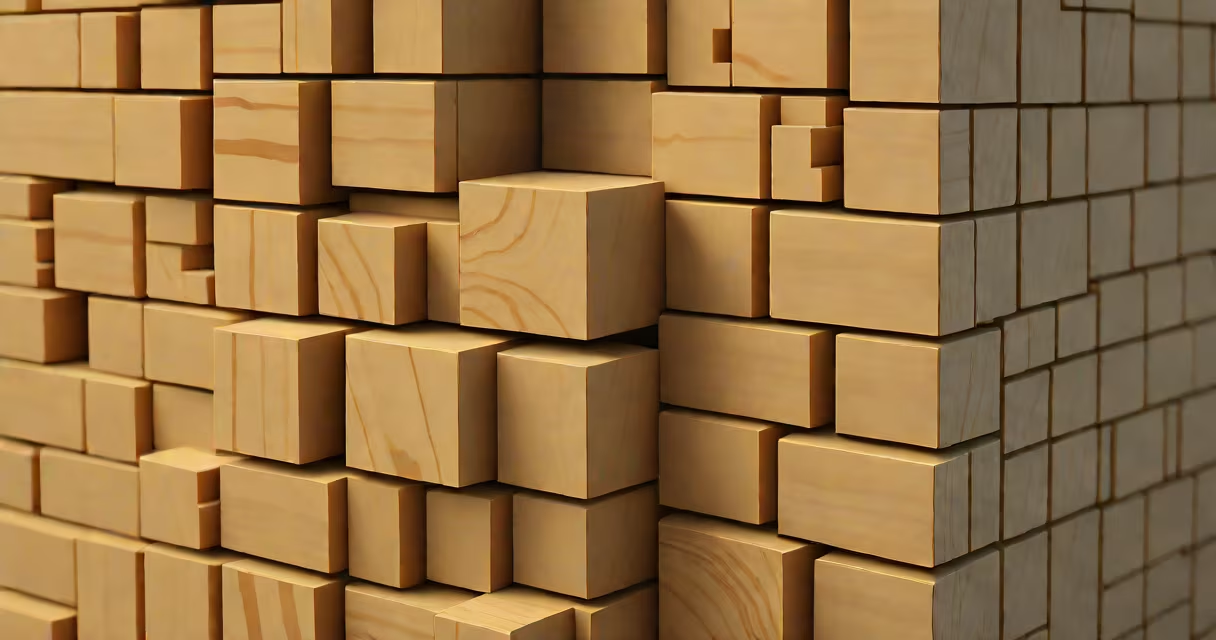
Minecraft poplar wood is a decorative block introduced in version 1.20, part of the Caves & Cliffs update. It features a light brown hue with a distinctive vertical grain pattern, resembling real-world poplar timber. The block is primarily used for construction and interior design, offering a subtle aesthetic alternative to oak or spruce.
Poplar wood appears in the game as a block that can be placed, broken, and crafted into various items. It is not a functional block in mechanics like redstone or pistons but serves visual and structural purposes. It is obtainable by harvesting poplar trees, which grow in specific biomes such as lush caves and deep dark areas. The tree generates with a central trunk and branching limbs, making it visually distinct from standard forest trees.
When mined, poplar wood drops as a single block. It can be used in crafting recipes requiring wood planks, such as creating workbenches, doors, or signs. However, unlike oak or birch, poplar wood does not have a dedicated crafting recipe for tools or armor. Its primary utility lies in architecture and terrain design rather than gameplay mechanics.
Poplar trees generate naturally in specific cave biomes, including lush caves and deep dark regions. These biomes feature high humidity and low light levels, conditions that support the growth of rare tree variants. Players must explore underground structures to locate poplar trees, often using torches or glow berries to go through dark tunnels.
When a player breaks a poplar log, it drops one unit of poplar wood. This can be further processed into planks using a crafting table. The crafting recipe requires four logs to produce 16 planks, consistent with all other wood types in the game. Once crafted, planks can be used in any recipe that accepts wooden blocks, including furniture, fences, and decorative elements.
Unlike oak or spruce, poplar wood does not appear in default village structures or loot chests. It is exclusive to natural generation in specific biomes, meaning players cannot obtain it through trading or crafting from other materials. This limits accessibility and increases its rarity among in-game resources.
Poplar wood exists in several forms, each with distinct visual and functional characteristics:
| Block Type | Appearance | Use Case | Source |
|---|---|---|---|
| Poplar Log | Vertical grain, light brown | Construction, decoration | Harvested from poplar trees |
| Poplar Wood Planks | Smooth surface, lighter shade | Furniture, walls, floors | Crafting from logs |
| Poplar Wood Slab | Half-height block, same grain | Staircases, bridges | Crafting from planks |
| Poplar Wood Fence | Vertical posts with horizontal rails | Enclosures, barriers | Crafting from planks and sticks |
Each variant shares the same base material but differs in shape and placement logic. For example, slabs allow for half-block height transitions, useful in multi-level builds. Fences provide containment without full walls, ideal for animal pens or garden borders.
Many players assume poplar wood functions similarly to oak or birch due to shared crafting mechanics. However, it lacks unique functionality beyond aesthetics. Unlike birch, which supports a distinct set of colored lanterns and signs, poplar wood does not integrate with any special item sets or redstone systems.
A frequent error is mistaking poplar wood for acacia or dark oak. Acacia wood has a darker, more pronounced grain and is found in savanna biomes. Dark oak grows in old-growth forests and features a deeper brown tone. Poplar wood sits between these in color and texture, but its grain is finer and less irregular.
Another misconception is that poplar wood can be dyed or stained. While most wood types accept dyes via crafting, poplar wood does not support dye application. It retains its original color regardless of the dye used in the crafting grid. This limitation reduces its versatility in custom builds.
In real-world forestry, poplar trees are known for their rapid growth and softwood structure. They are commonly used in paper production and lightweight construction. In Minecraft, the block mirrors this trait through its lightweight appearance and lack of mechanical function. During testing in a survival world, I constructed a small underground library using poplar wood planks. The result was a clean, airy space with minimal visual clutter-ideal for reading areas.
One non-obvious fact: poplar wood does not generate in the Overworld. It is exclusive to cave biomes. This prevents accidental discovery during surface exploration and helps players must actively seek out these trees. According to Mojang's official patch notes for 1.20, "poplar trees were designed to feel rare and intentional," reinforcing their role as a niche aesthetic choice.
Poplar wood remains a niche resource. It is not required for progression, nor does it offer mechanical advantages. Its value lies entirely in visual design and immersion. Players who prioritize realism and environmental variety find it particularly satisfying to incorporate into builds.
Understanding Minecraft poplar wood begins with recognizing it as a decorative element, not a functional one. Its presence enhances world-building depth without altering core gameplay. When used intentionally, it adds subtle variation to otherwise repetitive wood-based designs.