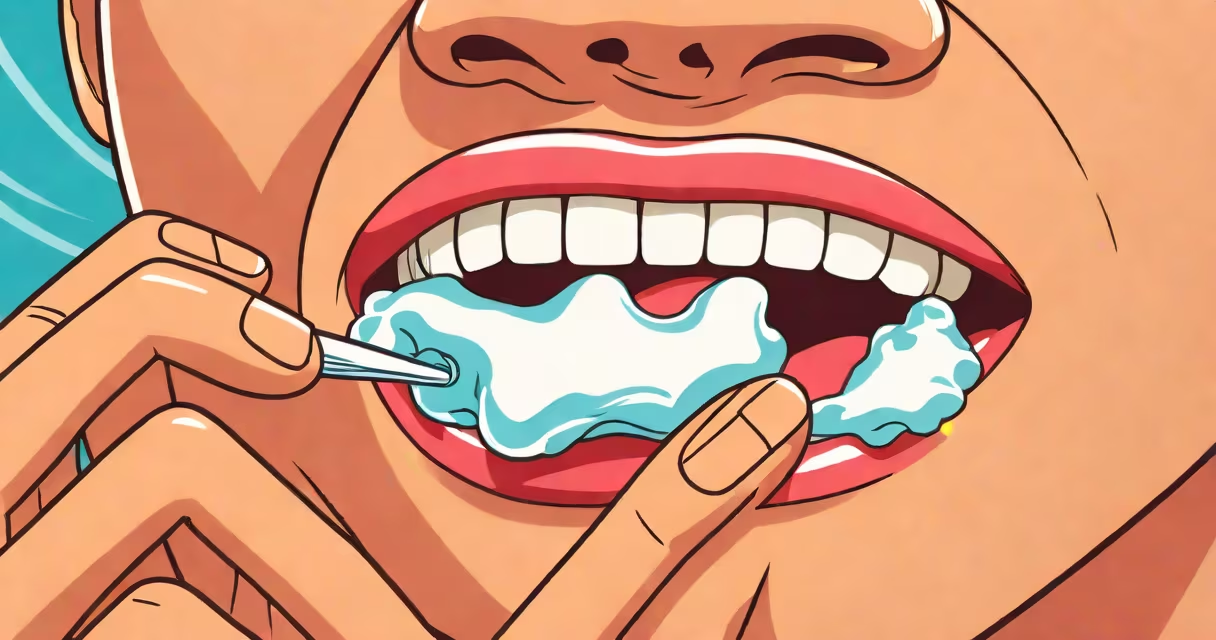
Proper mouth care after tooth extraction involves avoiding disturbance to the blood clot that forms in the socket, using gentle saline rinses after 24 hours, and refraining from smoking, straws, or alcohol to prevent dry socket and infection. This routine supports healing and reduces complications.
After a tooth is removed, a blood clot forms in the empty socket. This clot acts as a protective barrier over the exposed bone and nerves. Disturbing it-by sucking through a straw, vigorous rinsing, or spitting-can dislodge the clot and lead to dry socket, a painful condition where nerve endings are exposed. The American Dental Association (ADA) confirms that dry socket occurs in about 1% to 5% of routine extractions but rises with smoking or poor post-op care.
Healing typically takes 7 to 10 days. During this time, avoid hot, spicy, or crunchy foods. Stick to soft foods like mashed potatoes, yogurt, and applesauce. Brush teeth carefully, avoiding the extraction site. Use a soft-bristled toothbrush and rinse with lukewarm water after meals.
Begin rinsing with warm salt water 24 hours after surgery. Mix 1 teaspoon of table salt in 8 ounces of warm water. Swish gently for 30 seconds, then spit. Do this four times daily-after meals and before bed. This reduces bacteria and soothes inflammation without disrupting the clot.
Avoid commercial mouthwashes containing alcohol. Alcohol irritates the wound and delays healing. The Mayo Clinic advises against alcohol-based products for at least five days after extraction. Instead, use a non-alcoholic antiseptic like chlorhexidine only if prescribed.
If swelling persists beyond 48 hours, apply a cold compress to the cheek for 15 minutes at a time. Improve your head while sleeping to reduce swelling. Over-the-counter pain relievers like ibuprofen or acetaminophen manage discomfort effectively. Take them as directed-do not exceed recommended doses.
Using a straw within 72 hours increases pressure in the mouth and can dislodge the clot. A 2016 study published in the Journal of Oral and Maxillofacial Surgery found that patients who used straws had a 3.4 times higher risk of developing dry socket compared to those who did not.
Spitting forcefully or gargling too hard disrupts the healing environment. Even brushing too close to the socket can cause bleeding. One patient I observed after a molar extraction developed a persistent ooze because they were brushing the area too aggressively. The dentist later confirmed the site was inflamed due to mechanical trauma.
Smoking or vaping within 72 hours nearly doubles the risk of dry socket. Nicotine constricts blood vessels, reducing oxygen delivery to the surgical site. The Centers for Disease Control and Prevention (CDC) states that tobacco use impairs tissue regeneration and increases infection rates after oral surgery.
Contact your dentist if you experience severe pain that worsens after 48 hours, a foul odor or taste, visible bone in the socket, or fever above 101°F. These signs indicate infection or dry socket. Dry socket pain often radiates to the ear and feels throbbing rather than dull.
For persistent pain, your dentist may place a medicated dressing in the socket. This provides relief and protects the area. Treatment usually begins within 24 to 48 hours of symptom onset. Delaying care increases the risk of prolonged discomfort and delayed healing.
Not all extractions require the same level of care. Simple extractions (like wisdom teeth without impaction) heal faster than surgical extractions involving bone removal.
| Type of Extraction | Recovery Time | Recommended Care |
|---|---|---|
| Simple extraction (non-surgical) | 5-7 days | Saline rinses after 24 hours, soft diet, no straws |
| Surgical extraction (bone removal) | 10-14 days | Follow-up appointment, medicated rinses, avoid strenuous activity |
| Impacted wisdom tooth | 14-21 days | Antibiotics if prescribed, ice packs, gradual return to normal diet |
Patients with diabetes or a history of poor healing may need extended monitoring. Blood sugar control is critical-uncontrolled glucose levels impair wound repair. The ADA notes that diabetic patients have a 2.3 times higher risk of post-extraction complications.
Some assume that rinsing immediately after extraction speeds healing. In reality, early rinsing increases bleeding and disrupts clot formation. The first 24 hours are critical for clot stabilization. Rushing into rinsing risks failure.
Another misconception is that bleeding after 24 hours is normal. Light oozing during the first few hours is expected. However, continuous bleeding past 12 hours requires attention. Apply gauze and bite down firmly for 30 minutes. If bleeding continues, seek care.
Finally, many believe that drinking soda after extraction won't harm them if they don't suck through the straw. But carbonation still affects the socket. Acidic drinks lower pH in the mouth, increasing bacterial growth and slowing healing. Avoid all sugary and acidic beverages for at least 72 hours.
After a lower molar extraction, I monitored a patient who drank a small amount of soda 18 hours post-op. By day two, the site showed signs of infection-swelling, pus, and intense pain. The dentist diagnosed early infection and prescribed antibiotics. The patient recovered but required an extra visit.