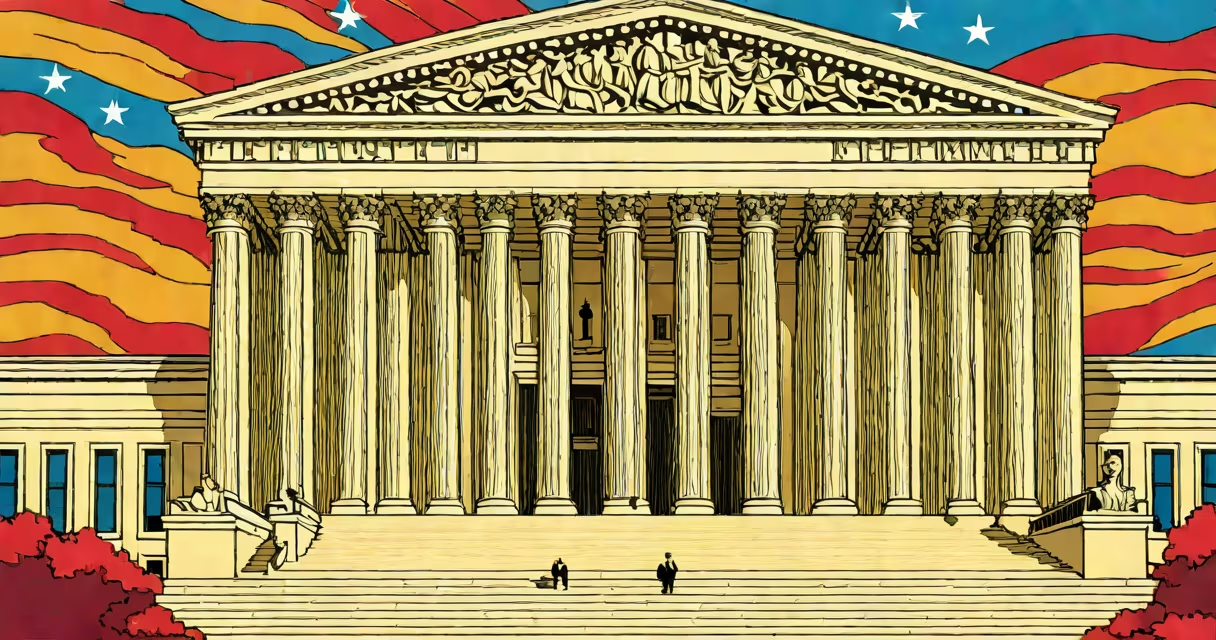
The parts of the first amendment are five distinct protections embedded in the U.S. Constitution: freedom of speech, freedom of religion, freedom of the press, the right to peaceful assembly, and the right to petition the government. These rights form the foundation of individual expression and civic participation in American democracy.
These five components were written in 1791 as part of the Bill of Rights, ratified to limit federal power and safeguard personal liberties. They are not absolute and have been interpreted through decades of court rulings. The Supreme Court has consistently ruled that these rights apply to state governments via the Fourteenth Amendment's due process clause.
For example, in Tinker v. Des Moines Independent Community School District (1969), students wore black armbands to protest the Vietnam War. The Court upheld their right to symbolic speech, stating that public schools cannot suppress student expression unless it causes substantial disruption. This decision affirmed that free speech includes nonverbal forms of protest.
Each part of the first amendment functions independently but supports the others. Freedom of religion prevents government endorsement of faith, while freedom of speech allows individuals to express beliefs-even religious ones-without fear of punishment. The press freedom component helps media can report on government actions, including religious policies or protests, without censorship.
Peaceful assembly enables groups to gather for political or religious purposes. When combined with the right to petition, citizens can formally request changes from elected officials. For instance, during the 2020 Black Lives Matter protests, demonstrators exercised their right to assemble peacefully, while also submitting petitions to city councils demanding police reform.
These rights are interdependent. Without press freedom, news of protests may not reach the public. Without the right to petition, even large assemblies lack formal channels to influence policy. The balance between individual liberty and public order remains central to constitutional interpretation.
The five parts of the first amendment differ in scope and application. Some are broad, others narrowly defined by precedent. Below is a breakdown of each component, its typical use, and key limitations.
| Part | Common Use | Legal Limitation |
|---|---|---|
| Freedom of speech | Political speeches, protest signs, social media posts | No protection for incitement, threats, or defamation |
| Freedom of religion | Prayer in schools, religious symbols on public property | No establishment of religion by government; no coercion |
| Freedom of the press | Investigative journalism, reporting on corruption | No protection for national security leaks or false statements harming reputation |
| Right to peaceful assembly | Protests, rallies, marches | Permits required for large gatherings in public spaces |
| Right to petition | Filing lawsuits, submitting public comments, contacting lawmakers | Cannot be used to harass or file frivolous claims |
A notable example of limitation is Brandenburg v. Ohio (1969), where the Supreme Court ruled that speech advocating violence is protected unless it is likely to incite imminent lawless action. This standard prevents blanket suppression of inflammatory rhetoric while allowing government intervention when danger is immediate.
Many people assume the first amendment protects all speech, but it only limits government action-not private companies. Social media platforms like Facebook and Twitter are not bound by the first amendment. They can ban users based on their own community guidelines, even if the content is legally protected.
Another misconception is that the first amendment guarantees the right to speak in public spaces without restriction. Courts have upheld laws requiring permits for marches in city centers, especially when they affect traffic, safety, or public order. A permit does not override constitutional rights-it ensures they are exercised responsibly.
Some believe the amendment allows religious practices in workplaces or schools without oversight. However, courts have ruled that public schools cannot sponsor prayers or allow religious clubs to meet during class time under the Establishment Clause. Religious expression is permitted as long as it does not pressure others or disrupt education.
In 2018, a high school teacher in Texas was suspended for posting a photo of himself wearing a Confederate flag shirt on social media. The court later ruled that his speech was protected under the first amendment because he was speaking off-duty and the message did not disrupt school operations. This case illustrates how context matters-public employees' speech is protected only when it doesn't interfere with job duties.
Another example is the 2021 Capitol riot. Protesters claimed their assembly was protected under the first amendment. Courts rejected this argument, ruling that violent acts and unlawful entry into government buildings do not qualify as peaceful assembly. The Supreme Court has consistently held that the right to assemble does not extend to breaking laws or threatening public safety.
During the 2020 pandemic, several states imposed restrictions on gatherings. In South Bay United Pentecostal Church v. Newsom (2020), the Supreme Court ruled that California's limits on church attendance were unconstitutional because they favored secular activities over religious ones. The decision reaffirmed that religious services are entitled to equal treatment under the law.
I once attended a local town hall meeting where residents protested proposed zoning changes. One man carried a sign reading "Save Our Trees - First Amendment Right to Speak." The sign was not a legal claim, but a reminder of how deeply these rights are embedded in civic culture. The city council listened, and the proposal was revised. That moment showed how the parts of the first amendment function not just in courtrooms, but in everyday dialogue.
Understanding the parts of the first amendment requires examining both the text and its judicial history. The original wording is brief: "Congress shall make no law respecting an establishment of religion, or prohibiting the free exercise thereof; or abridging the freedom of speech, or of the press; or the right of the people peaceably to assemble, and to petition the Government for a redress of grievances."